
An unpretentious variety of white cabbage - Kohlrabi
Content
General description
Kohlrabi is a biennial herbaceous plant, a variety of white cabbage. This vegetable differs from its relatives in that it lacks distinct leaves. The lower part of its stem is a root vegetable.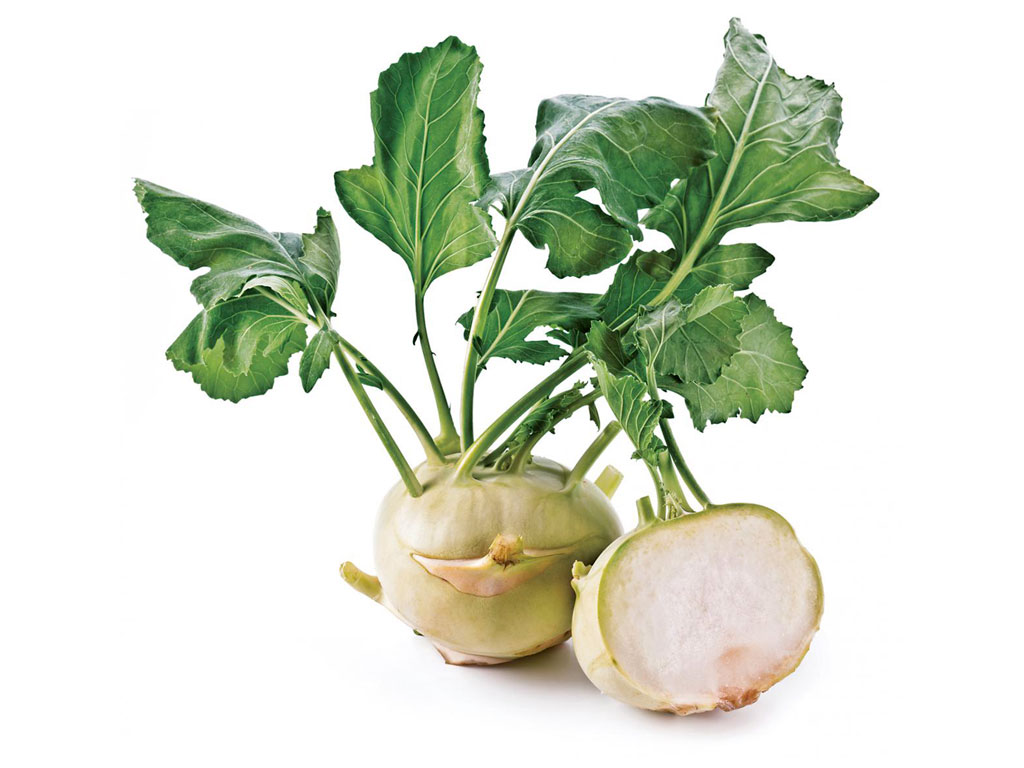
The stem is eaten. Its underground portion has a turnip-like or spherical shape. The cabbage root has a sweet and juicy flavor. It lacks the pungency of white cabbage. Kohlrabi gets its distinctive and unique flavor from the high sucrose content of its stem. Thanks to its high content of micro- and macronutrients, this cabbage has pronounced health benefits.
A distinctive feature of this variety is its excellent resistance to adverse environmental factors. This makes it suitable for growing on Sakhalin, Kamchatka, and even in the Far North. However, kohlrabi is most widespread in the United States, Western Europe, and Canada. It is especially common in northern and temperate latitudes.
This plant is easy to care for, which allows it to be grown in gardens and vegetable patches throughout almost the entire country.
Beneficial properties
Kohlrabi is considered a fairly healthy dietary product. Its pulp contains a lot of sugars: glucose and fructose. Its beneficial properties are also due to its sulfur, potassium, calcium, vitamins (especially C, PP, B1, and B2), and fiber. It's worth noting that its ascorbic acid content is several times higher than that of oranges and lemons. Therefore, it is very beneficial for young children.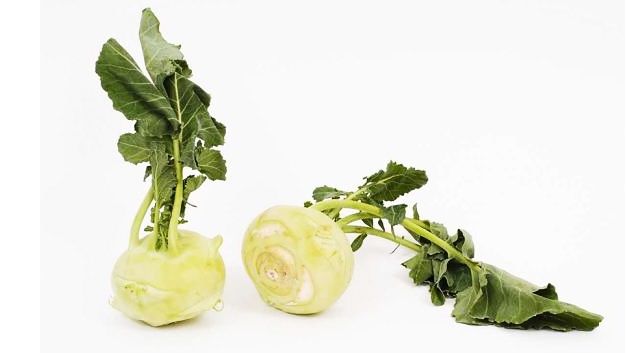
This variety is renowned for its pronounced medicinal properties. Therefore, eating this cabbage has a positive effect on the following processes and organs:
- improves metabolism;
- Eliminates digestive system disorders. Kohlrabi is especially beneficial for the liver, stomach, intestines, and gallbladder;
- removes fluid from the body;
- Prevents cholesterol deposition. Therefore, this cabbage variety is used in the treatment and prevention of atherosclerosis.
The plant's ability to remove fluid from the body makes it indispensable in the treatment of liver, gallbladder, and kidney diseases. Cabbage's beneficial properties also include its diuretic effect, which is very beneficial for those suffering from hypertension.
Many of this cabbage's beneficial properties stem from its high content of various vitamins. As a result, kohlrabi is considered a valuable food product, as well as a medicinal product, often used to treat various infectious diseases. Moreover, there are virtually no contraindications to consuming this cabbage variety.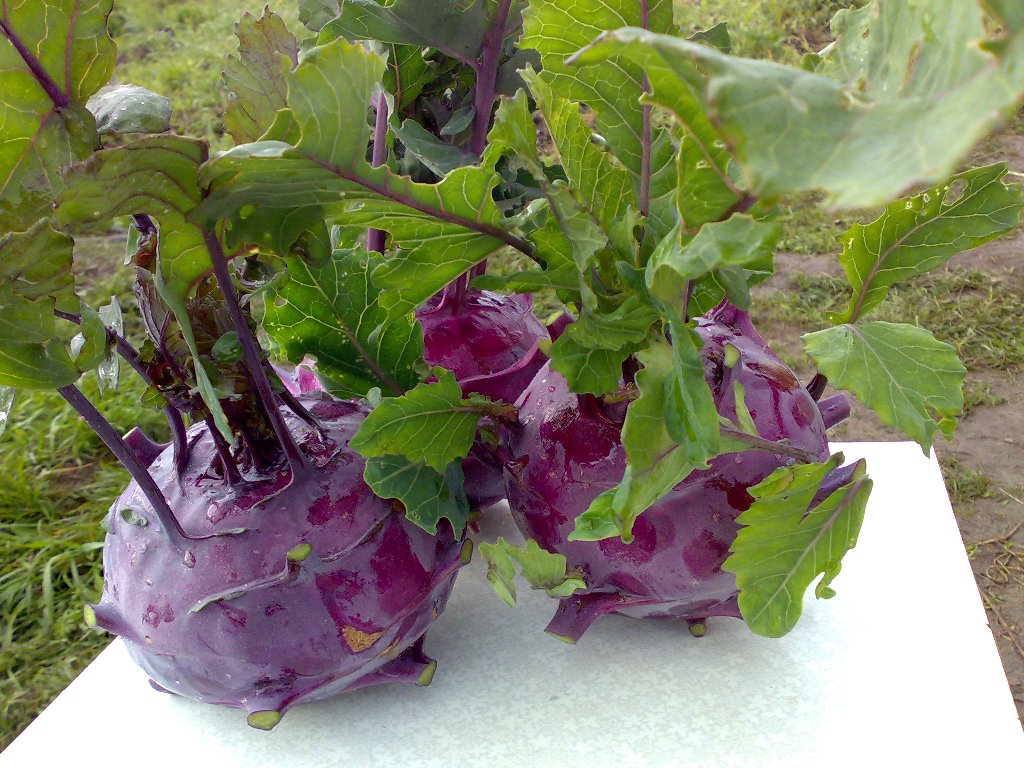
It's worth noting that kohlrabi's beneficial properties are determined not only by its high vitamin content but also by its numerous enzymes. These enzymes improve digestion when consumed. Furthermore, the plant's roots contain a high amount of carbohydrates. These carbohydrates make kohlrabi a dietary food that promotes rapid satiety, a boost of energy, and prevents overeating.
Moreover, this cabbage variety has other beneficial properties. For example, it has a positive effect on people's emotionality and their nervous system in general.
Another benefit of frequent consumption of this plant is its preventative effect against the development of tumors of various etiologies. Preparations made from kohlrabi are used to treat rectal cancer.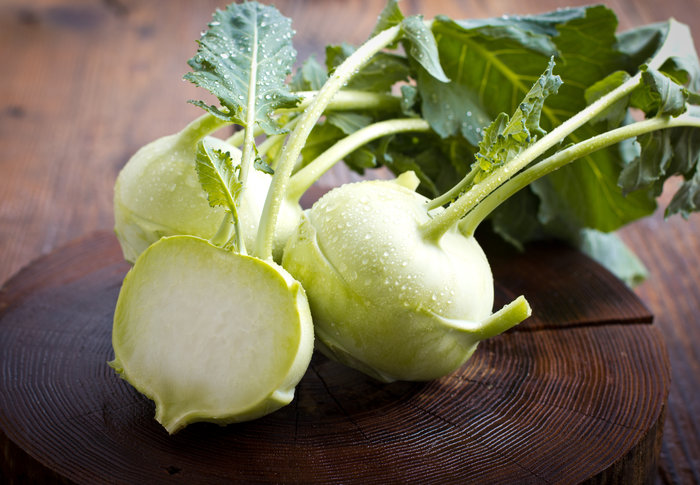
The numerous beneficial properties of this cabbage and its minimal contraindications have made it a key component of traditional medicine. Please note that before consuming such infusions, you should be aware of any contraindications. Otherwise, taking such preparations can cause irreparable harm to the body.
It is worth noting that there are no contraindications to eating Kohlrabi. Contraindications themselves vary from person to person. It is not recommended to eat this type of cabbage in the following situations:
- the presence of increased acidity in the stomach;
- individual intolerance to cabbage due to the content of certain substances in it;
- pancreatitis in the acute form of the disease.
In all other cases, Kohlrabi can be eaten.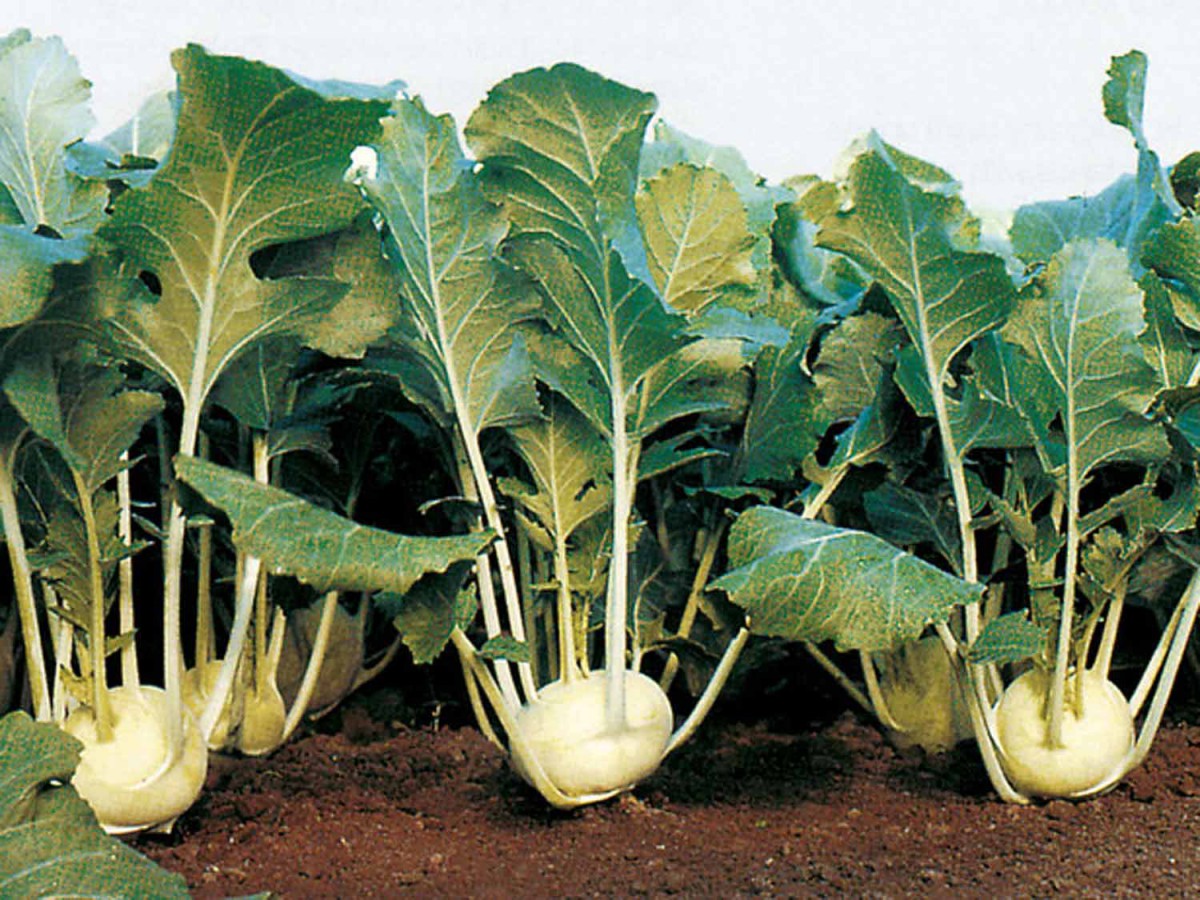
In folk medicine, this cabbage is used to treat the following ailments and pathological conditions:
- complications of tuberculosis;
- asthma attacks;
- increased blood pressure;
- initial stages of atherosclerosis;
- anemia;
- flatulence;
- severe cough, as well as various colds;
- treatment of diseases of the oral cavity, gums, teeth.
Moreover, due to the almost complete absence of contraindications, such cabbage can be included in the diet of even small children who have just begun to introduce complementary foods.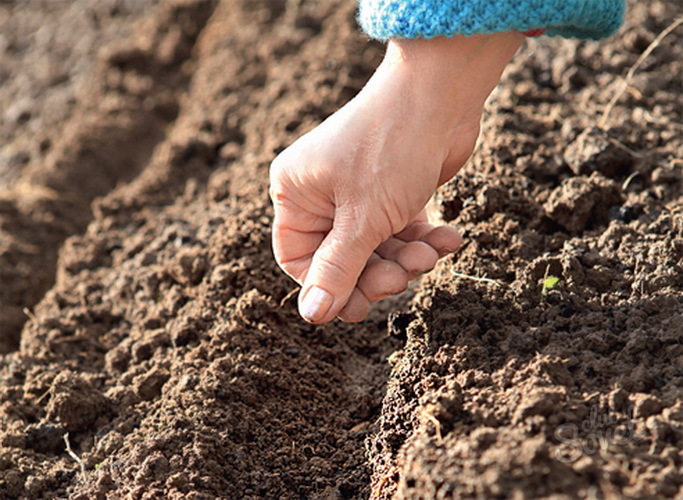
The health benefits of young cabbage are most pronounced. Older roots are considerably firmer and less sweet. Kohlrabi can be eaten in the following ways:
- as a medicinal product prepared according to a special prescription;
- fresh. To do this, you just need to cut the root vegetable;
- as an ingredient in salads, as well as stewed, fried, baked and boiled dishes.
Remember that consuming Kohlrabi for medicinal purposes should only occur after consultation with a doctor.
Video: Planting Kohlrabi Seeds
You can watch the video to learn how to plant cabbage correctly.
Features of cultivation
Kohlrabi is considered a plant with a fairly high tolerance to freezing temperatures. At the same time, this cabbage variety is easy to care for. It can be grown in a wide variety of soils. When growing this plant, it's important to remember that frequent watering is the most important care requirement for cabbage. Insufficient watering can lead to coarse roots and a deterioration in their flavor.
There are two ways to grow this cabbage:
- Seedlings. This method is more efficient, as using seedlings allows for an earlier and tastier harvest. Seeds for seedlings should be sown in special boxes. They will begin to germinate at temperatures as low as 3 degrees Celsius, and at 18 degrees Celsius, the first shoots will appear within 4 days of sowing. Once the seedlings are obtained, they can be planted either in a greenhouse or in open ground. The best time to plant in open ground is mid-May, and in a greenhouse, in late April.
- sowing planting material directly into open ground.
Kohlrabi should be grown in a plot previously occupied by legumes, onions, potatoes, winter crops, and pumpkins. Before planting seedlings or sowing seeds, the soil should be loosened and tilled. Fertilizer should also be added to the soil, and the ground should then be leveled with a rake.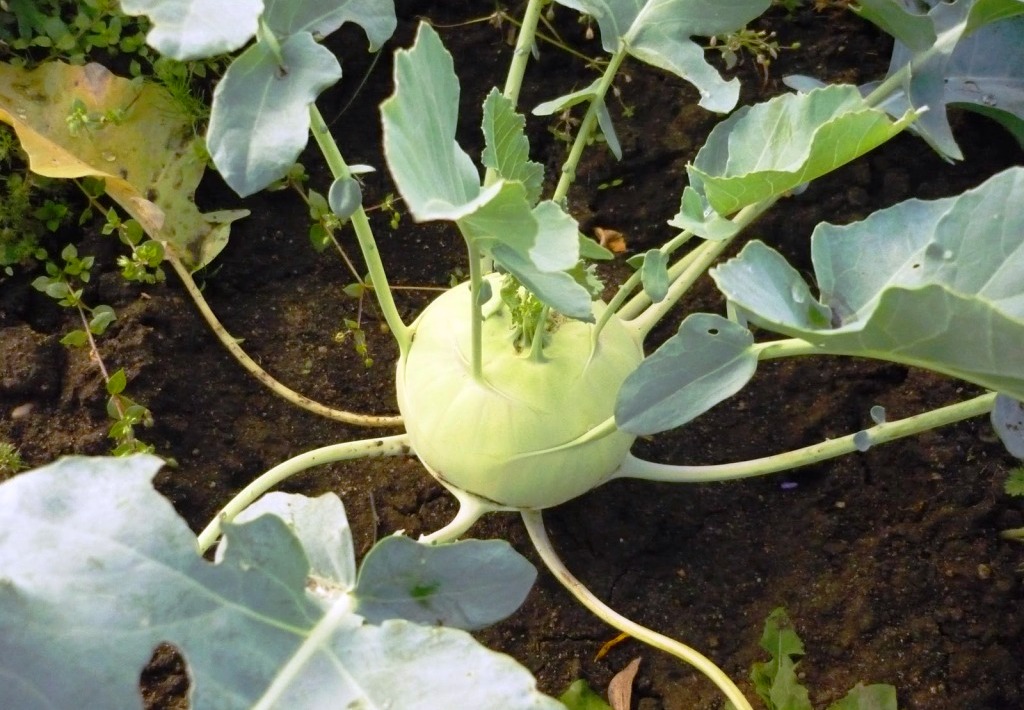
Plant seedlings 20 cm apart from adjacent plants. Leave 50 cm between beds. Seedlings are planted deep. After planting, compact the soil and water. Seeds should be planted at a depth of approximately 2 cm. In this case, leave 4 cm between plants. After the first shoots appear, thin the beds, leaving only the strongest and tallest seedlings.
Kohlrabi requires special care during the growing season. During this time, the plants need to be watered generously and frequently. Also important during this period are timely weeding, soil loosening, and fertilizing. Fertilizer should be applied to the soil twice during the growing season.
By following these simple rules, you can successfully grow Kohlrabi in your garden.
Video: How to Grow Kohlrabi
This video is about how to grow kohlrabi, and also about kohlrabi varieties.
Varieties and hybrids
Kohlrabi is now available in a wide variety of cultivars and hybrids. The most well-known varieties of this cabbage include:
- Viennese White. Growing season: 60-70 days. Each root weighs up to 1 kg. Drought-tolerant.
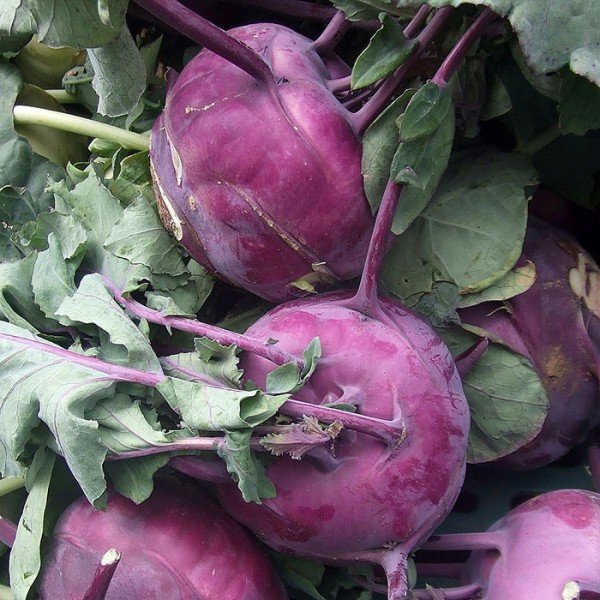
- Viennese Violet. Its growing season is 60-70 days. It produces fruits weighing up to 1 kg. Its shelf life is reduced;
- Athena. Growing season: 120 days. Maximum root weight: 210 grams;
- Violeta. Growing season: 100-120 days. Root crops weigh up to 2 kg. Characterized by very high yields;
- Dvorona. Growing season: 70-75 days. Yields are modest. It has pronounced beneficial and medicinal properties.
- A delicacy red. An early ripening variety. Characterized by excellent keeping quality;
- Kossak. This is a hybrid. The growing season is 50-60 days. It produces roots weighing up to 600 grams;
- Kolpak is a mid-season hybrid. It is characterized by low yields but has excellent flavor characteristics. Low resistance to bacterial blight has been reported.
-
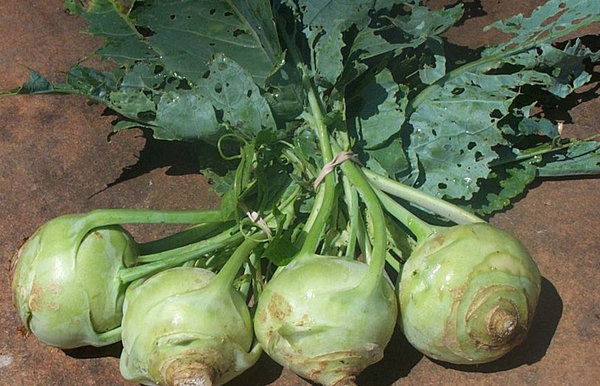
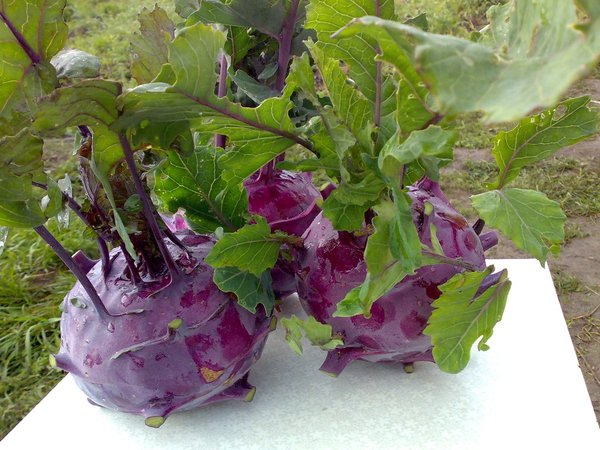
Kohlrabi cabbage, thanks to its unpretentiousness and pronounced beneficial and medicinal properties, will become an excellent plant for your garden.