
When to Harvest Cauliflower: Gardener's Tips
Content
Is it afraid of frost?
Since the plant thrives on warmth, many gardeners wonder whether it can withstand autumn frosts. When temperatures drop below 8°C (46°F), small heads invariably appear at the base. These later develop into so-called reserve shoots. Growth of the main inflorescence even stops.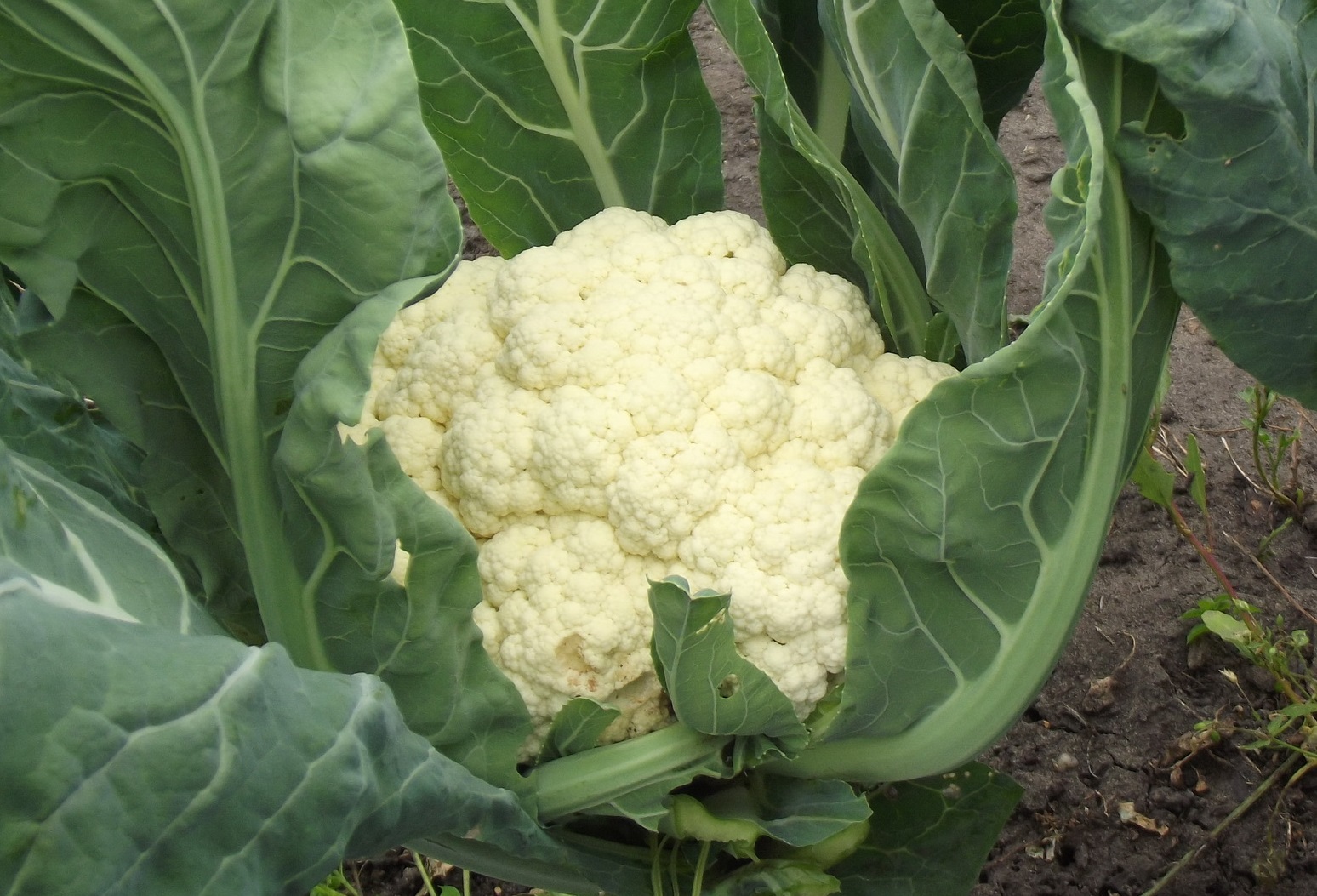
Saving the cauliflower heads is easy. In this case, they need to be harvested and ripened indoors. If the greenhouse temperature can be maintained at a stable 10 degrees Celsius, the cauliflower has a good chance of surviving the cold.
Video "Secrets of a Good Harvest"
This video will show you how to grow a great cabbage crop.
Collection deadlines
When can I harvest from the garden? The timing varies depending on the variety and the maturity of the head. When choosing a variety, it's recommended to ensure it's self-shedding. Otherwise, the growing heads can easily discolor and crumble prematurely under the scorching sun. Some vegetable varieties require shade. To do this, break off the broad leaves of the plant and form them into bundles, which will serve as shelter. Many hybrid varieties don't require this, as their foliage can close over the inflorescences on its own.
Early varieties, which include Fruernte, Alrani, and White Perfection, can be harvested as early as mid-June. As for mid-season varieties such as Ametist F1, Yarik F1, and Bianka, the harvest can be obtained until mid-July. The maturity period for these vegetables, as stated by the producers on the seed packaging, is 100–135 days.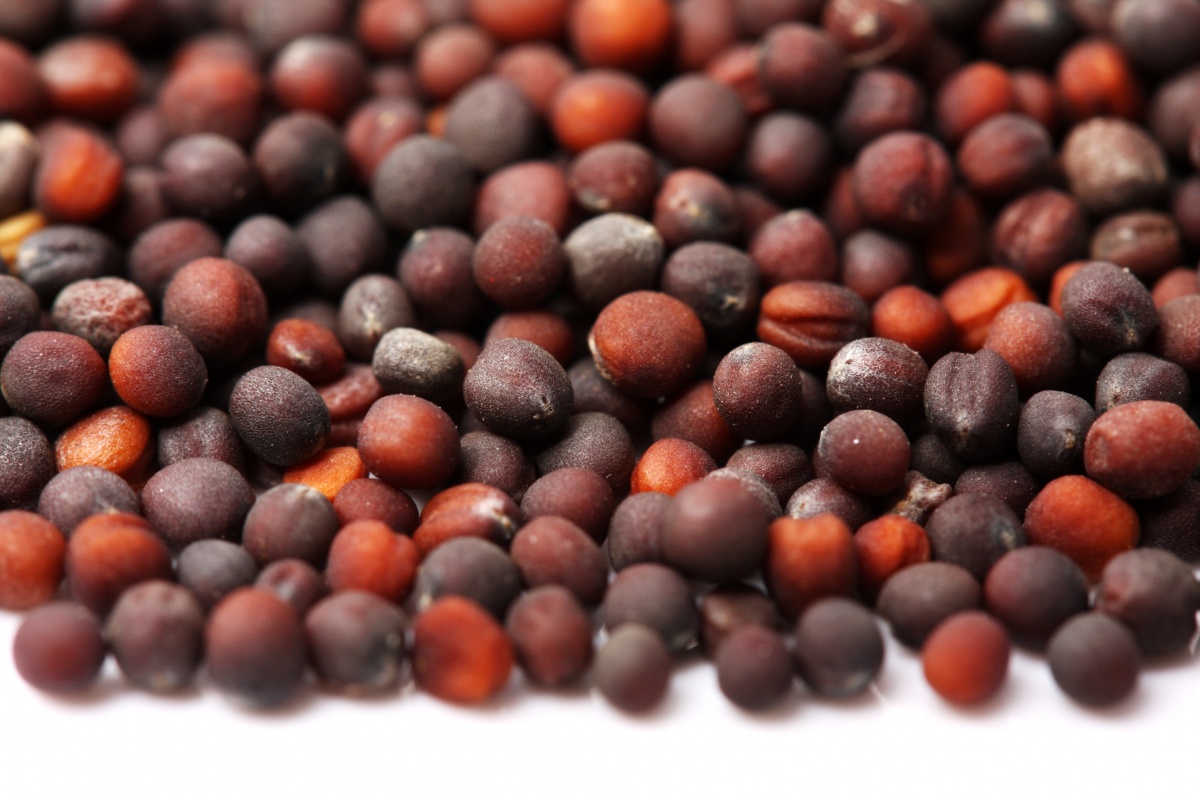
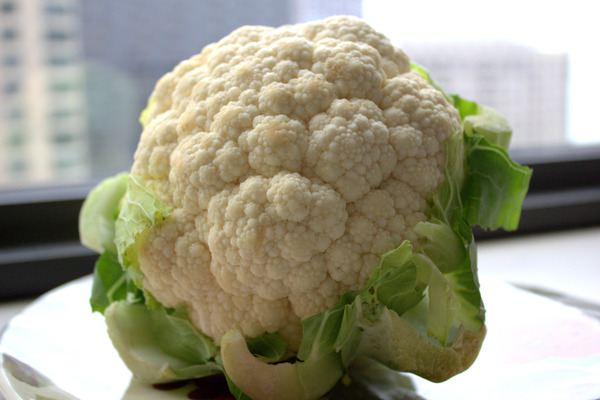
Late-ripening varieties can be harvested in the fall, as they require about five months to fully mature. It is recommended to plan for harvesting in two to three harvesting sessions. When inspecting the heads, you can prune those that are already ripe. Mature heads typically measure 8–13 cm in diameter. Each head can weigh up to 1.5 kg. If not harvested on time, the vegetable not only loses its valuable flavor and nutrients, but also turns yellow, swells, and begins to take on a purple tint. The average harvest time is from June to August. Normally, cauliflower is a milky white or light cream color. The heads should have a normal density and texture.
Weather conditions
The best time to harvest cabbage heads is when the weather is dry and cloudless. It's recommended to begin harvesting at lunchtime and no later than 7 p.m.
Avoid harvesting cabbage after rain. It quickly loses its characteristic pleasant aroma and flavor, and will not store well. Cabbage prefers moisture and warm weather only during its active growth period. Once frost sets in, it's best to store the heads indoors.
Unripe heads must be dug up with the root system and soil intact. It's recommended to harvest your favorite vegetables when the temperature outside is above 15 degrees Celsius.
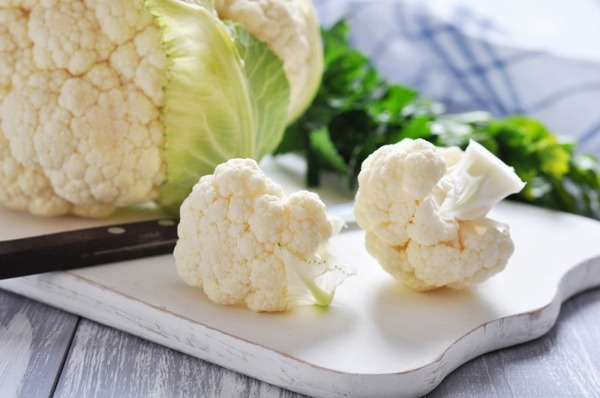
How to cut correctly?
Trimming the heads is easy with a pre-sharpened knife. A small, sharp hatchet is also a good choice. However, it's not always easy to cut the required amount of stem. It's best to avoid using pruning shears, as they're unlikely to make a clean cut. Gardening gloves are also a good idea to protect your hands. Cut the cabbage, leaving no more than 3 cm of stalk. This usually involves cutting off a couple of leaves. After harvesting, the vegetables should be stored away from direct sunlight as quickly as possible. Otherwise, you could damage not only the appearance but also the nutritional value of this wonderful vegetable.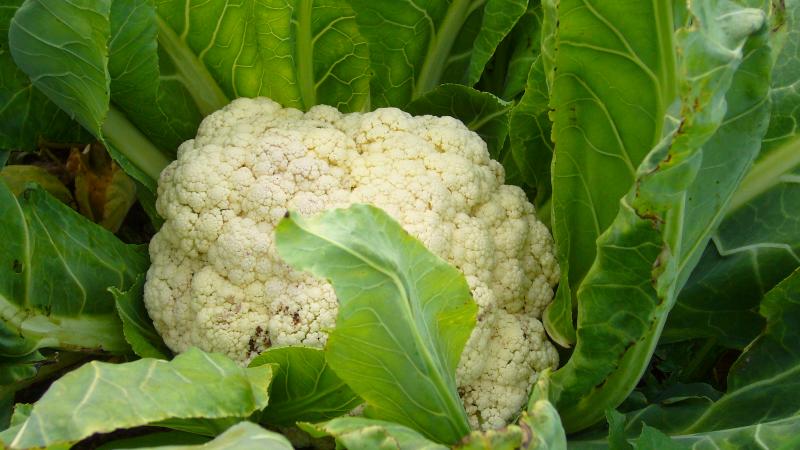
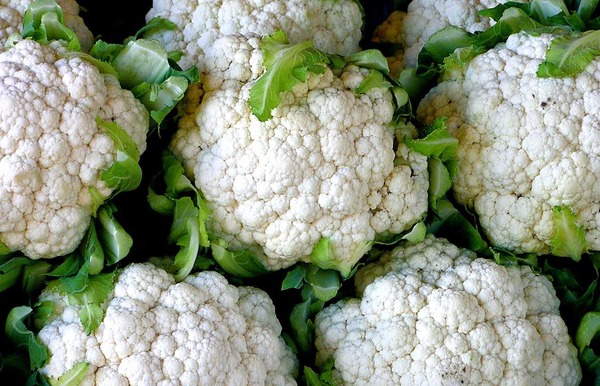
Experience shows that mid- and late-ripening cabbage harvested in the fall keeps better than summer-ripened cabbage. Cauliflower can be used in various dishes, canned, and frozen. Choose firm heads with a distinctive coloring, free of sprouting leaves, and on short stems.
Video: Harvesting and Storage
This video will show you how to preserve cauliflower for as long as possible.