
When to harvest cabbage from the garden: tips for beginners
Content
Is the vegetable afraid of frost?
Most varieties common in our climate are frost-resistant, so you can harvest cabbage even when the weather gets cold. However, if you want to preserve your vegetables for a long time, it's best to avoid prolonged exposure to cold: harvesting in freezing temperatures negatively impacts the marketability of the cabbage heads—the frozen spots gradually thaw and accumulate various pathogens, which lead to leaf rot. You shouldn't leave cut cabbage heads exposed to frost either—they won't keep for long.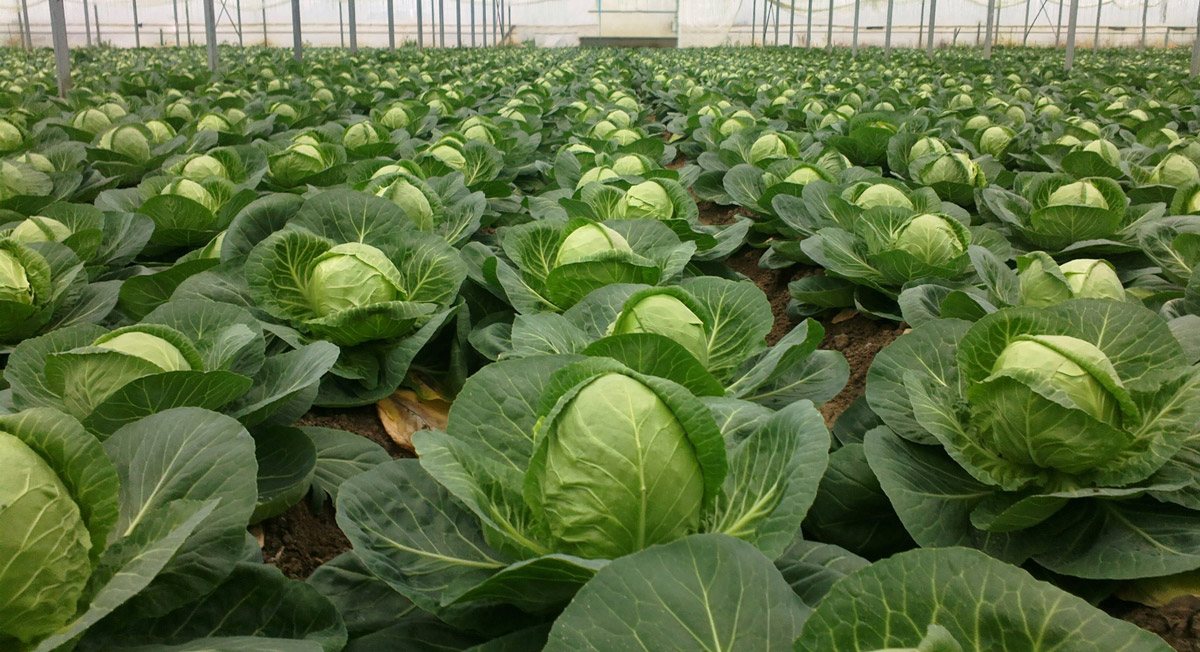
Moreover, cabbage tolerates light, short-term autumn frosts well—they even improve its flavor. The minimum temperature acceptable for cabbage is minus 6 degrees Celsius. This rule applies to cabbage of all ripening periods—late, shelf-stable varieties also don't tolerate severe frosts.
The harvested crop is particularly sensitive to frost – even 1 degree below zero affects the cut of the stalk, triggering an irreversible process of rotting.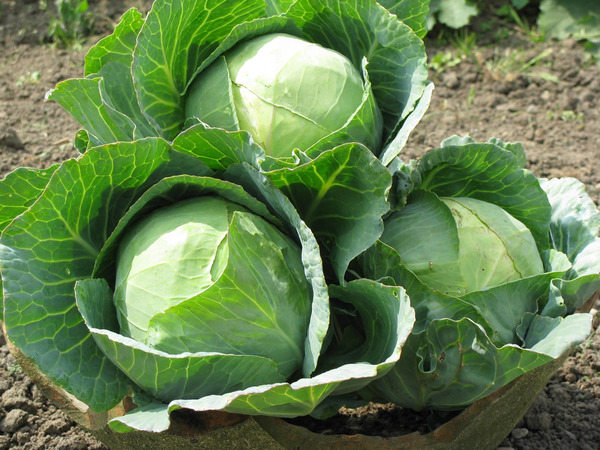
Beginning gardeners who encounter frost often wonder when to harvest frozen cabbage. Never rush! Affected heads of cabbage should be allowed to thaw naturally (at least 4-5 days) before harvesting and storing. If this rule is not followed, the cabbage won't last longer than a month—black spots and rot will appear.
Video: Planting, Care, and Cleaning
This video will show you how to properly plant, care for, and harvest this vegetable.
Basic rules of collection
If you don't have enough experience yet to determine the best time to cut cabbage, follow our advice:
- It is best to harvest on a warm autumn day without precipitation;
- the plant needs to be dug up and the roots cleared of soil without cutting off the head;
- All damaged leaves or heads must be sorted out immediately - such cabbage should be used first;
- do not remove all the wrapping leaves from the forks - leave a few on each;
- Be sure to dry the cabbage before storing it. Do this under cover to avoid exposure to precipitation or direct sunlight.
Deadlines
The answer to the question of when to harvest cabbage will depend on the variety you grow: late varieties don't fully ripen until October, so harvesting time falls at the end of that month. 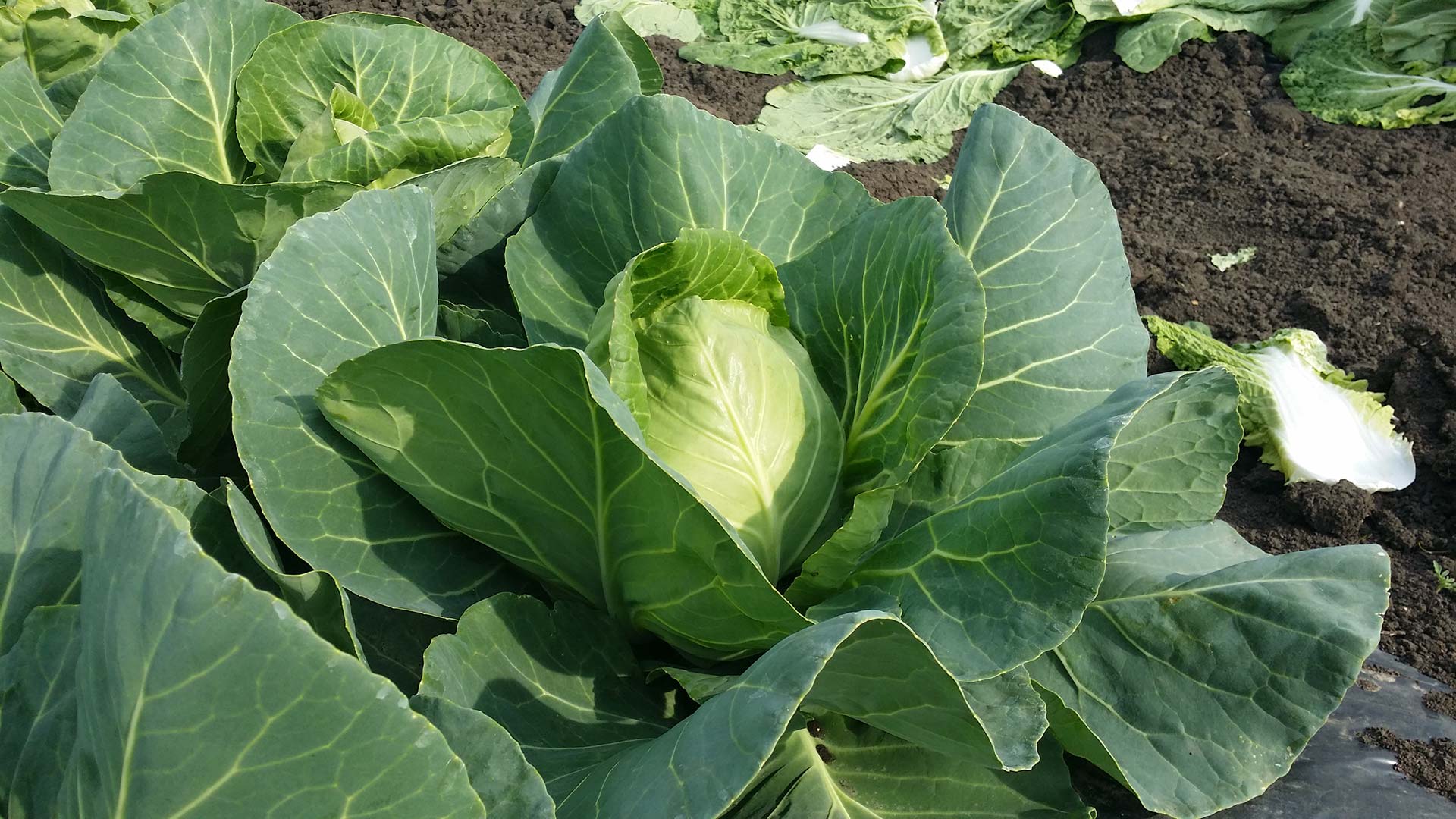 As a rule, farmers in the central zone do not particularly worry about when to harvest white cabbage from the garden, but do it after October 8th.
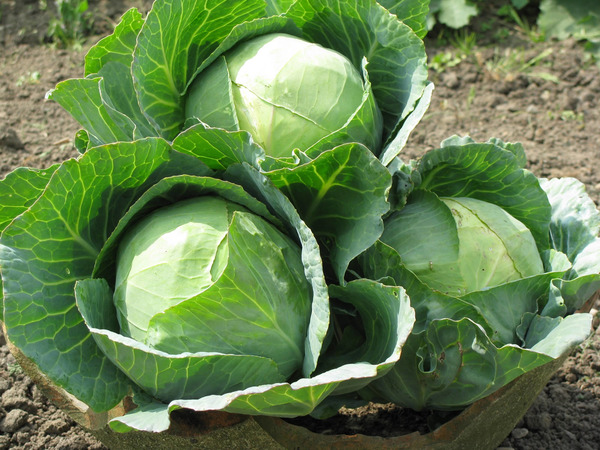
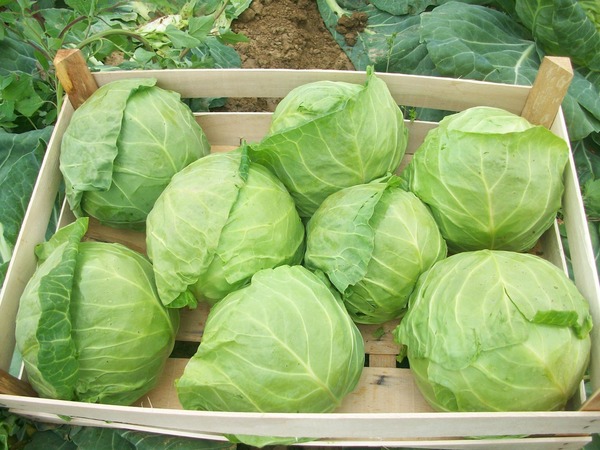
You can determine whether a vegetable is ripe not only by the time: simply touch the head; if it is firm and dense, then the cabbage is ready to be harvested.
To ensure the vegetable's shelf life and flavor don't suffer over time, it's important to harvest on time: don't rush (otherwise the cabbage heads will wilt and then begin to rot), but don't delay too long either (this can lead to the heads cracking).
Necessary equipment
To ensure your harvested vegetables last as long as possible, it's important to use proper tools: use a shovel to dig up the plants, and a sharp, heavy-duty knife to trim the heads. Sometimes gardeners prefer to hang the plant rather than trim it. This storage method isn't always feasible, but it does preserve the vegetables for a long time. If you do decide to trim the stalk, leave a small tail—about 3-4 cm—to provide additional protection.
Peculiarities
Many gardeners believe that the optimal time to harvest cabbage depends directly on the lunar calendar—it should be done during the waning moon, but the vegetable can be fermented on any day except the full moon.
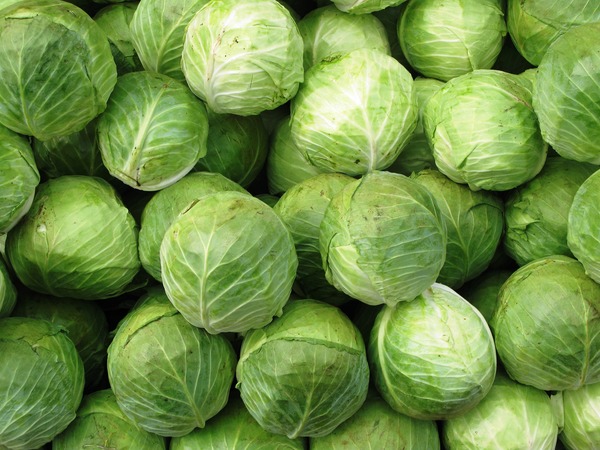
When planning your harvest, be sure to stop watering two weeks before the chosen day; this will prevent possible head cracking and reduce the moisture level in the leaves, minimizing the risk of rot.
Once all harvesting operations are successfully completed, be sure to prepare the plot for the next season: remove any remaining cabbage leaves and roots, and ideally, dig up the soil. Discarded leaves and heads (if they are not suitable for pickling or immediate cooking) can be successfully used as livestock feed.
The main difficulty in choosing the optimal time to harvest cabbage lies in the vegetable's unique nature: cabbage is essentially nothing more than ordinary leaves. Preserving these greens for a long time is no easy task. However, if you follow the harvesting and storage guidelines, you'll succeed, and you'll be able to enjoy fresh cabbage almost until the next harvest!
Video "When to Harvest"
From the video you will learn when to harvest this vegetable.