
Kale is a storehouse of nutrients and vitamins
Content
Beneficial properties
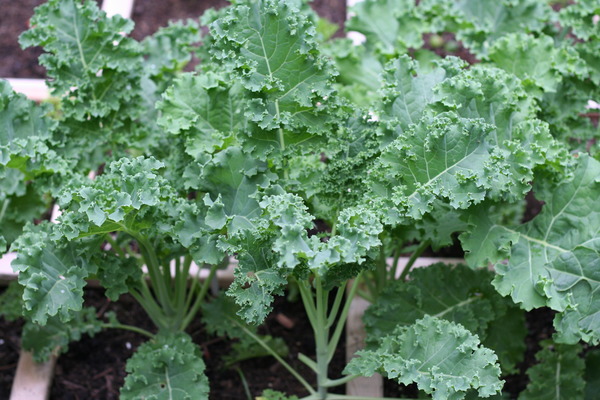
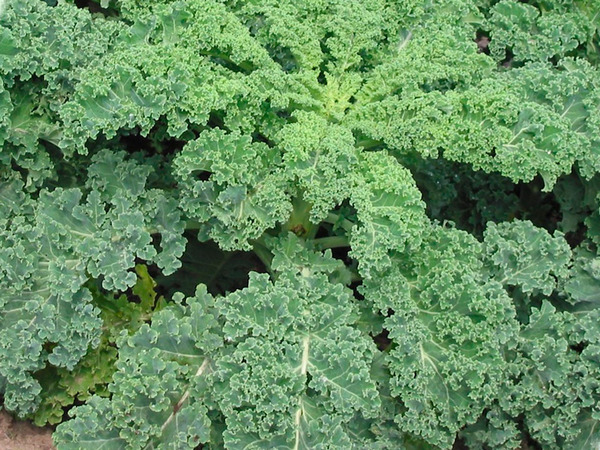
Kale doesn't form a head, but it does grow large, curly, wrinkled, or crinkled leaves, though they can also be smooth or fringed. These leaves are eaten fresh or cooked, like any other cabbage.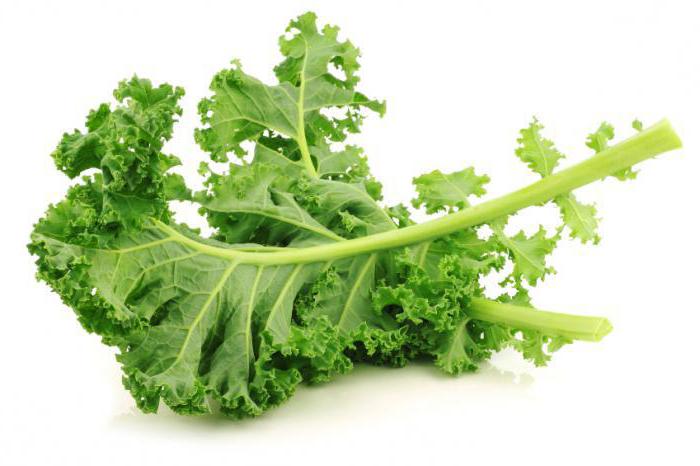
Of course, fresh leaves are the healthiest, as they contain an incredible amount of vitamins. Their vitamin C content is comparable to that of lemon, although it's barely noticeable in the sweet leaves. Kale can replenish our body's lutein and zeaxanthin reserves, which are concentrated in the retina and protect against the damaging effects of ultraviolet radiation. It contains many vitamins B, K, and PP. A full cup of chopped kale leaves contains two days' worth of beta-carotene. It's worth noting that all these vitamins are easily absorbed by the body, and excess is eliminated without any unpleasant consequences, which is not the case with chemically synthesized vitamins.
Like all green (and colored) leafy vegetables, kale contains a large amount of potassium, as well as magnesium, phosphorus, sodium, iron, zinc, selenium, and copper, which are also essential for our bodies. The amount often depends on the soil conditions in which it is grown, but even minimal levels of these elements make kale very beneficial. This amazing leafy vegetable contains more calcium than cow's milk, and it is much more easily absorbed.
This amazing cabbage contains indole-3-carbinol, a substance that inhibits cancer cell growth. It also has antibacterial properties thanks to sulforaphane, a component of many medications.
Kale is one of the few plant sources of the omega-3 amino acid, which our bodies don't produce but desperately need. Thanks to its high protein content, kale can easily replace meat in a vegetarian diet. Its plant protein contains all 9 essential and 18 nonessential amino acids required by the human body.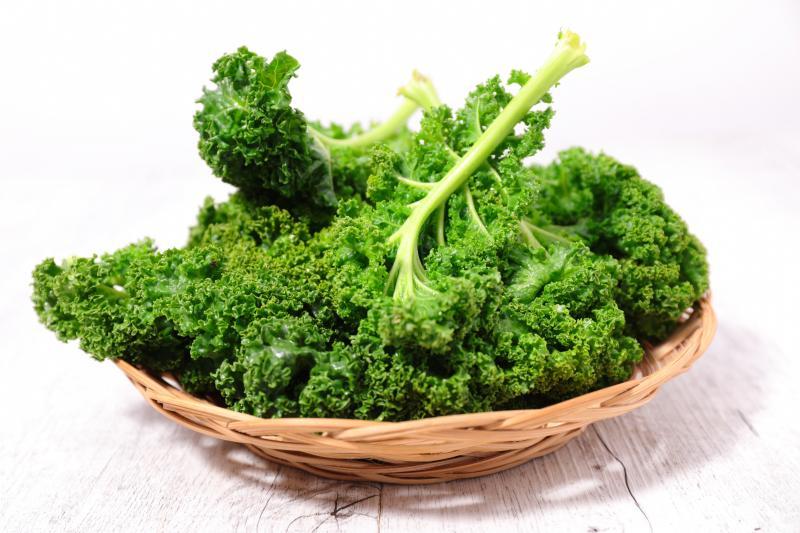
Its unique composition explains nutritionists' recommendations to include kale in their daily diet. The most beneficial ingredients come from fresh leaves, which are used to make delicious salads with sour cream dressing or olive oil. Cooked cabbage also offers many benefits: it can be boiled in soups, fried, stewed, and baked. In other words, you can use it in everything you normally do with white cabbage, and the benefits are even greater.
Video "Kale Leaf"
This video shows how to properly grow kale.
Varieties
Growing kale isn't yet very common among our gardeners; the red, green, and purple corrugated mass of leaves is more often seen as ornamental. In Europe, it was considered wild, at best an ornamental cabbage, even in the Middle Ages; it was sometimes used in folk medicine. Here, it's sometimes called Italian or American kale; in America, it's called Russian kale. No one knows for sure where this amazing cabbage originated; it's a foreign plant in every country. All existing varieties are derived from wild plants.
Today, several subspecies and varieties are known, easily distinguished by their appearance. They differ from each other in leaf color and shape, as well as height. Varieties with bushes up to 40 cm tall are considered low-growing, while the tallest grow up to 2.5 m or even higher, resembling exotic palms with lush, brightly colored leaves.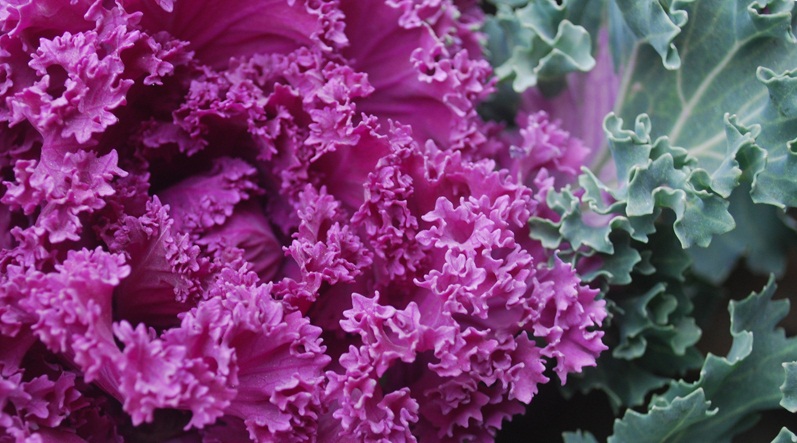
Among the well-known varieties, there are two very similar in their characteristics but markedly different in color: Red Kale and Green Kale. They ripen approximately 75 days after germination, with leaves resembling folded lace. Kale leaves are rich in potassium, magnesium, calcium, and vitamins A, C, E, and K. They are eaten fresh in salads and used in soups.
Siberian kale is considered the most frost-hardy, withstanding temperatures down to -15 degrees Celsius without damage. It's grown in Siberia and the Northern Urals from seedlings. It ripens in just 80 days. Premier kale is also frost-tolerant and grows very quickly.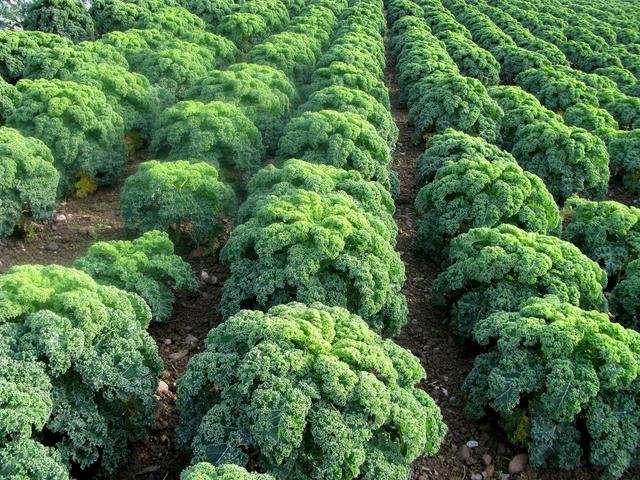
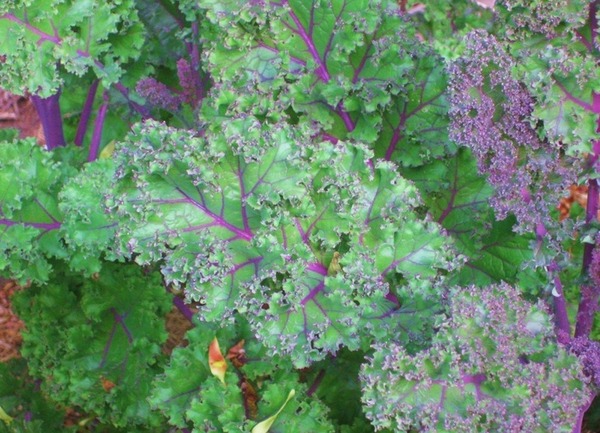
Curly Kale is distinguished by its purple color and the sweet flavor of its juicy, crisp leaves. The leaves are smooth in the center and deeply ruffled at the edges, appearing adorned with wavy frills.
Black Tuscany has a felt-like appearance due to the bluish-green color of its dense, tuberculate leaves. Its cultivation is becoming increasingly popular in warm southern climates.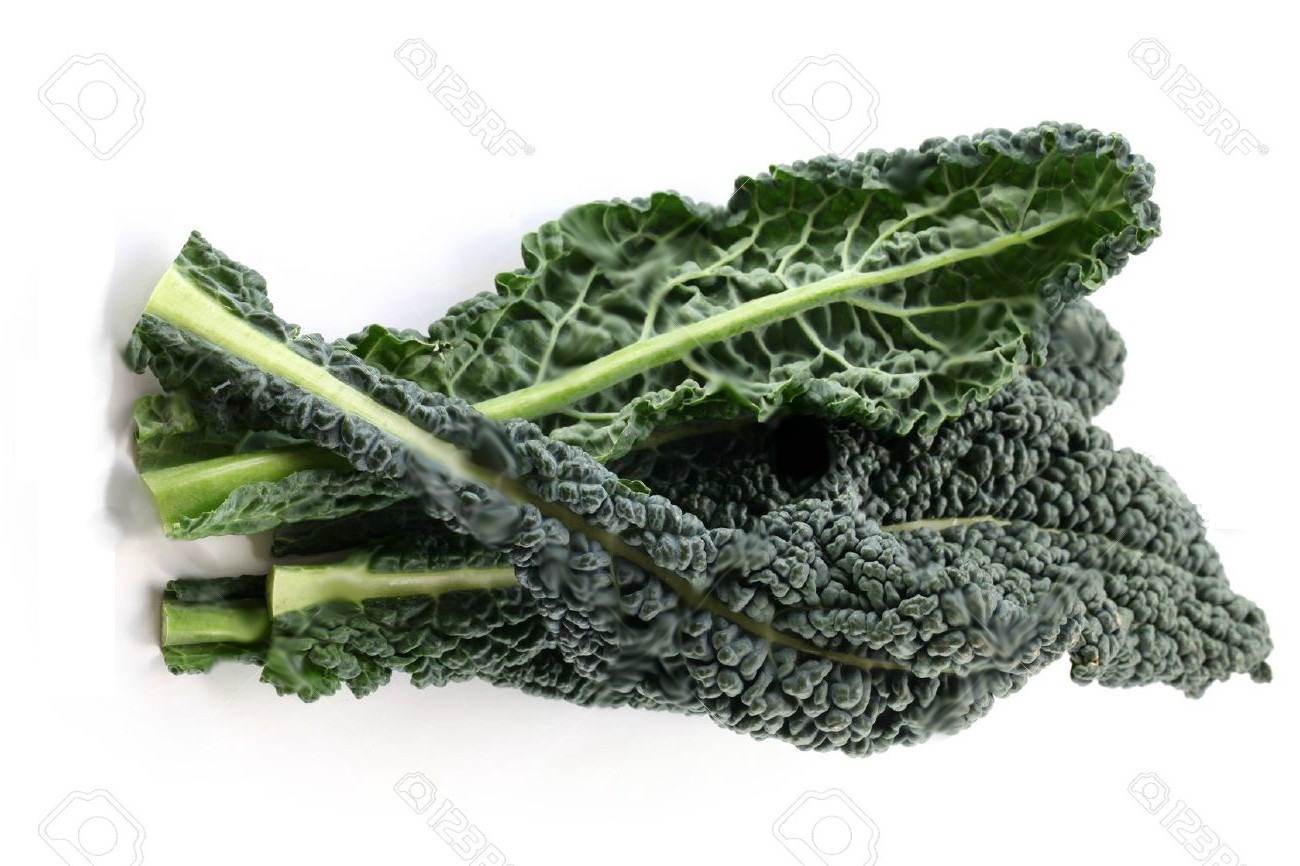
Our healthy-eating gardeners grow the Reflex F1 hybrid. Its leaves have a pleasant flavor, and just 100 grams is enough to replenish the body with a complex of beneficial substances, thereby boosting immunity. The Redbor F1 hybrid is also renowned for the beneficial properties of its curly, soft-flavored leaves. The more sun they receive during cultivation, the brighter their appearance.
Dino is distinguished by tall, thin leaves with a pleasant taste, while Trostevaya has very strong petioles and can grow up to 2 meters in suitable conditions.
Features of cultivation
Kale thrives in loose, nutritious soil that's neutral or slightly acidic. It grows best after legumes, squash, or nightshade crops, and worst after cruciferous vegetables.
Kale is a biennial vegetable, although it is often grown as an annual. It prefers full sun and an open, elevated location where water does not stagnate. It's best to water it when the soil has dried out from the previous watering.
It is advisable to fertilize the soil before planting, and then, if necessary (depending on the soil condition), fertilize the cabbage with organic matter after one and a half to two months, but there is no need to add additional mineral fertilizers.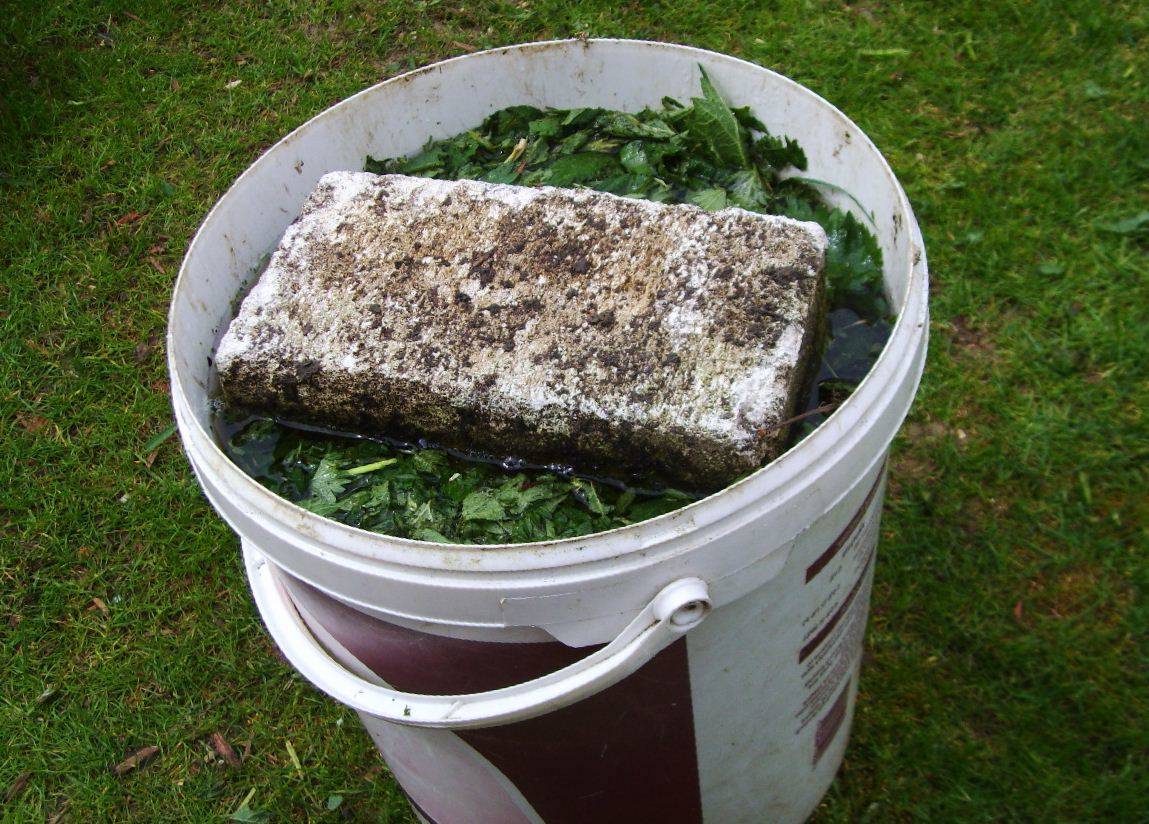
In the north, kale is usually grown from seedlings, but this isn't necessary, as they ripen, depending on the variety, 70 to 90 days after germination. Even if frost-damaged, they continue to grow, developing a more vibrant color and distinctive flavor.
Seeds are usually sown in the garden bed with the first warmth, when the soil and air temperatures have risen above 5°C (41°F), which is usually in April in most areas. The seeds are planted no more than 1.5 cm deep, and the seedlings are covered with glass or dark film to create a greenhouse effect and speed germination. It's important to remove the film promptly, otherwise the sprouts will grow too tall, as they germinate quickly—in 5 to 7 days. The seedlings are planted in May. Leave at least 45 cm between plants, usually staggered. Then, begin the usual cabbage care routine—watering, loosening the soil, fertilizing, pest control, and hilling the bushes several times during the summer.
After clearing all the leaves, cut the stem back to no more than 10 cm above the ground. The plant will overwinter well and will begin growing again with the first warm weather in the spring.
Kale shows remarkable resistance to fungal diseases, but it is still worth keeping the plantings clean and tidy - remove weeds, do not leave plant debris between rows, loosen the soil under the bushes (or mulch), and dig it up in the fall.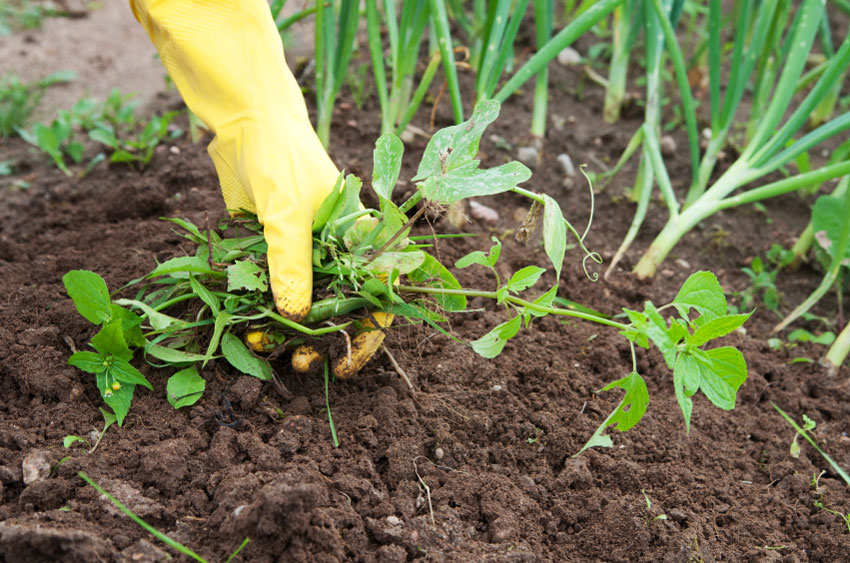
Slugs, cabbage aphids, and cabbage butterflies can be a nuisance to cabbage plants and a hassle for the gardener, but they don't have to be. Avoiding overwatering and stagnant water will discourage slugs and snails. Wood ash (also effective against slugs) or tobacco dust will keep aphids away. Simply sprinkle these on the cabbage after watering or rain. Butterflies can be deterred by the presence of calendula, dill, and marigolds—they dislike the strong scents of these plants. It's a good idea to inspect your plants and repel pests as soon as they appear using natural, harmless remedies.
Collection and storage
The leaves are picked and eaten almost all summer long. Only ripe ones are juicy and tender, while overripe ones become tough and less tasty. Tough leaves, if they've been left on the stem for too long, can be fried or stewed, but young leaves are best eaten raw; they make delicious salads.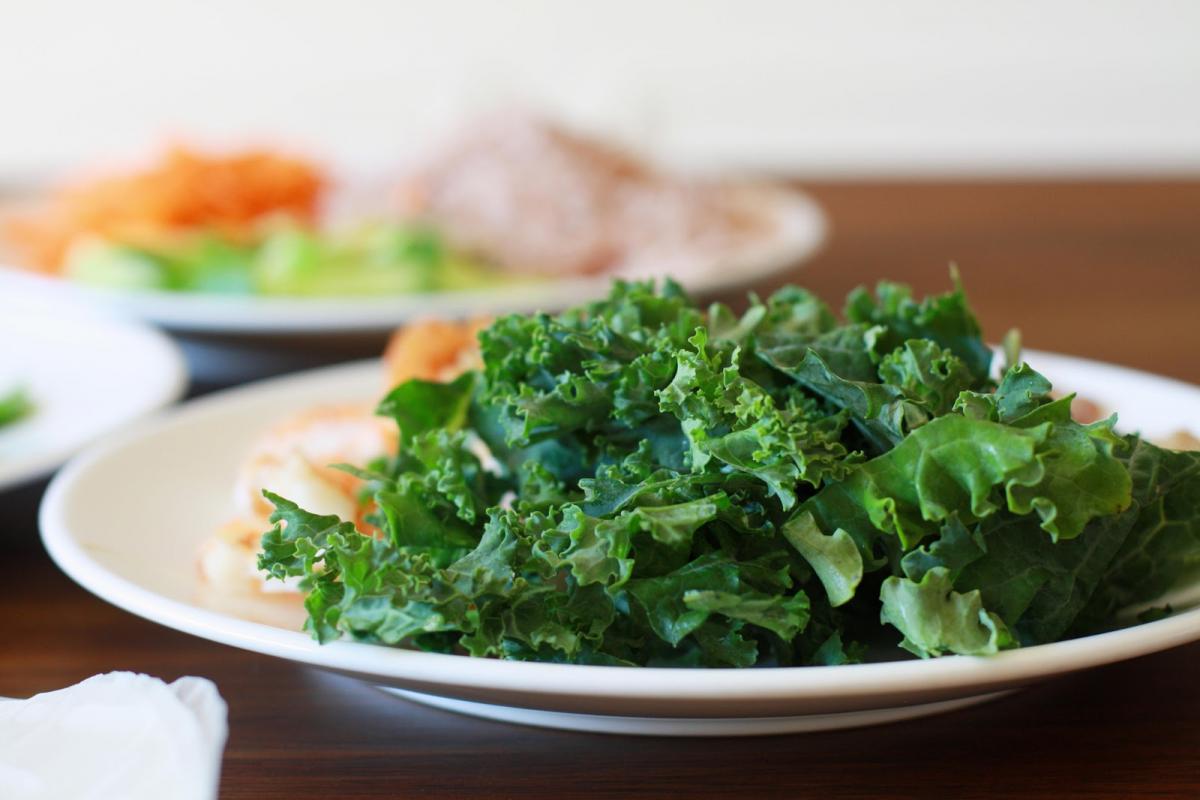
By blending the leaves, you can make healthy smoothies, vitamin-rich cocktails, and pureed soups. Fresh leaves can be stored for no more than 2 or 3 days, after which they wilt, like lettuce leaves. For long-term storage, freeze them in the freezer and store them there.
Kale is a beautiful ornamental plant, but most importantly, it is a very healthy vegetable that can not only satisfy hunger, but also make our body stronger and more resilient, and help us resist many diseases.
Video "Kale"
In a video in which a farmer shows the kale harvest in early spring.