
How to properly protect cabbage from pests without chemicals?
Content
Vegetable pests and their control
A gardener's life is a struggle, and that's nothing new. After fighting for a harvest once or twice, a gardener begins to understand that there are clever tricks for almost every problem. Of course, there are some in the science of cabbage pest control.
Fortunately, these pests aren't all that common. But protecting cabbage from them can be difficult. These cunning insects cleverly exploit the vegetable's "anatomy," hiding under the leaves, essentially inside the head. And a beautiful cabbage can be ruined. Therefore, it's worth knowing the "enemy" if not by sight, then by name. You can also learn about its habits and how to protect vegetables from this particular pest.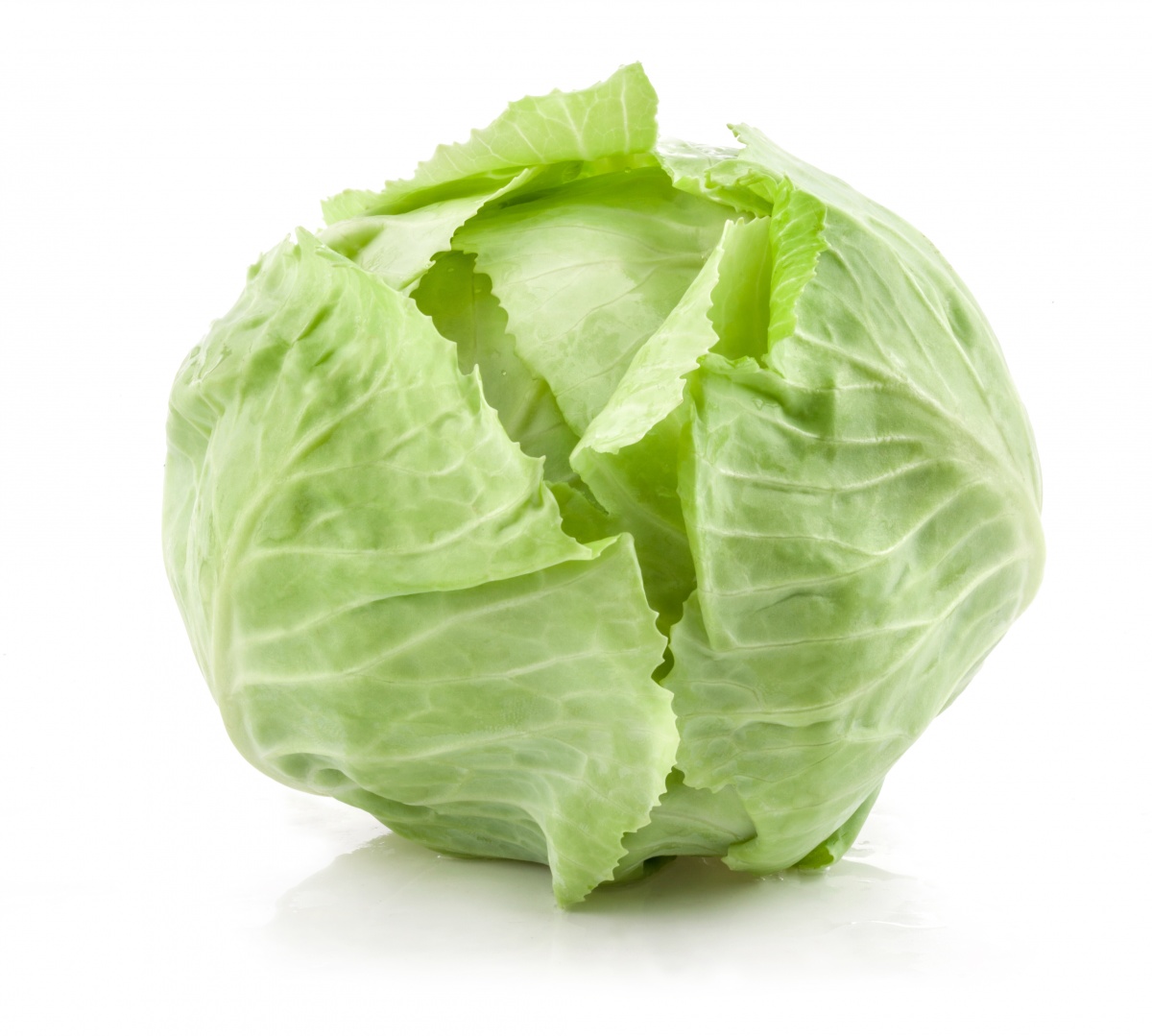
So, the most common threats to white cabbage are:
- cruciferous flea beetle;
- cabbage moth;
- snails and slugs;
- aphid;
- cabbage leaf beetle;
- cabbage fly;
- cabbage moth.
There are a number of other unpleasant insects that can attack your crops. But those listed are the most common of these unpleasant guests in the garden. Experienced vegetable growers don't recommend resorting to chemicals right away. After all, these are quite aggressive and, as doctors say, always have side effects. Basic agricultural knowledge and tried-and-true folk remedies will come to your aid.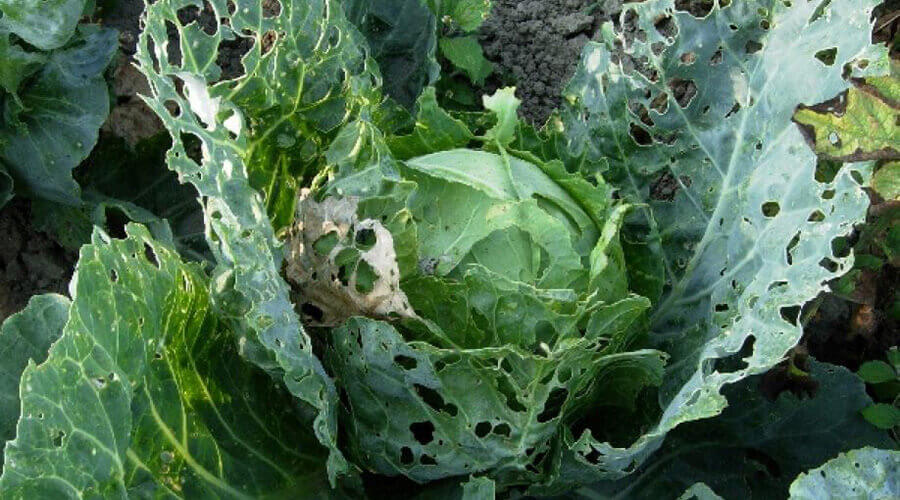
One of the secrets is to correctly combine and combine plants in a cabbage bed:
- It is useful to alternate planting cabbage and garlic in the area;
- sage and thyme planted as “cabbage guard” repel pests;
- planting borage and burying nettles in the corners of the bed are effective;
- a number of pests are “allergic” to peppermint, wormwood, and tansy;
- the proximity of basil and dill will help the health of cabbage;
- The mole cricket's attacks can be stopped by green alder branches: they are stuck into the ground every one and a half meters.
Thorough weed control, careful removal of last year's plant debris, autumn plowing, and crop rotation all help in pest control. While it's true that complete and final control of pests is impossible, minimizing damage is possible.
Cruciferous flea beetle
This tiny black beetle doesn't look like a serious enemy. This jumping insect is so small that you wouldn't expect it to pose much of a threat. But that's a shame! The flea beetle can destroy your crop in a single day, destroying everything in its path.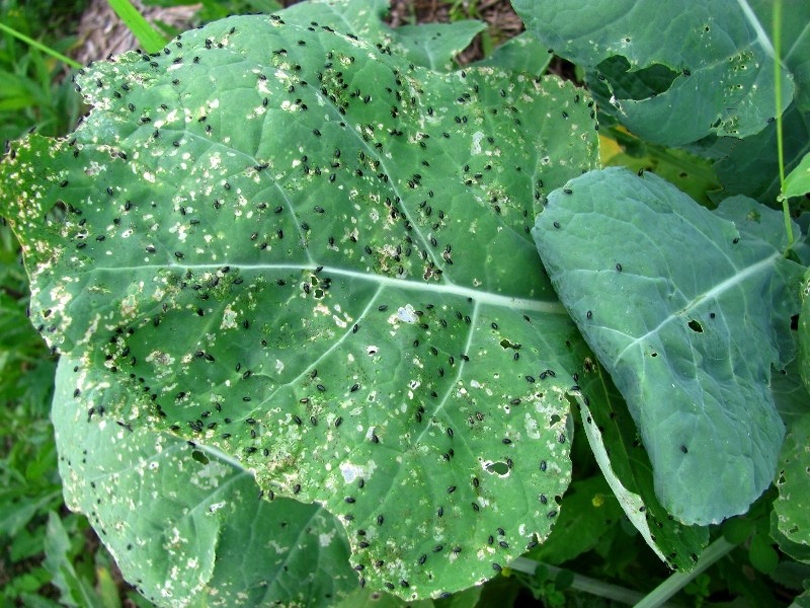
Meanwhile, its appearance can even be prevented if you think about it in a timely manner, that is, in early spring. It's important to know that there are some plants that cruciferous flea beetles absolutely cannot stand. More precisely, not the plants themselves, but the substances they secrete:
- potato;
- tomatoes;
- dill;
- coriander;
- caraway.
Planting these plants around your garden beds is enough to protect against cabbage pests. You can also decorate your garden with flowers such as nasturtiums, marigolds, and marigolds. The cabbage flea beetle also hates them.
If preventative measures are too late, try sprinkling cabbage with ash mixed with tobacco dust early in the morning after the dew. Or mix mothballs with regular dust in a 1:1 ratio and sprinkle the soil around the bushes where the pest is active.
You can prepare a spray infusion: a liter jar of ash, 3 liters of water, and a few drops of liquid soap. Spray the cabbage six times, with a five-day break in between.
But spraying is also carried out:
- vinegar solution;
- garlic infusion;
- wormwood infusion;
- infusion of dandelion leaves.
If you have some non-woven fabric, cover the beds with it. It acts as a barrier and allows the cabbage leaves to become denser, at which point they are no longer attractive to pests. Drip irrigation is also an effective measure.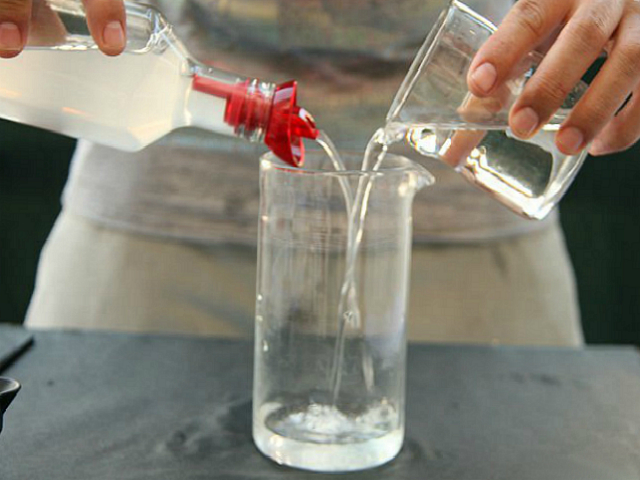
But if you're determined to use drastic methods, remember, they shouldn't be used on early varieties. Chemicals will render the cabbage inedible and dangerous to your health.
Cabbage moth butterflies and larvae
Let's call a spade a spade: the cabbage moth is a disaster. An exceptionally resilient pest, it thrives in any climate, except perhaps in high mountains. It adapts very quickly to chemical treatments.
The inconspicuous brown moths themselves are harmless. But they lay eggs on the underside of cabbage leaves, and after two weeks, green, 16-legged caterpillars emerge—cabbage's true enemies. During the day, they hide closer to the head of cabbage, and at night, they devour the cabbage. By the end of summer, they have burrowed into the head itself, rendering the vegetable unfit for either consumption or storage.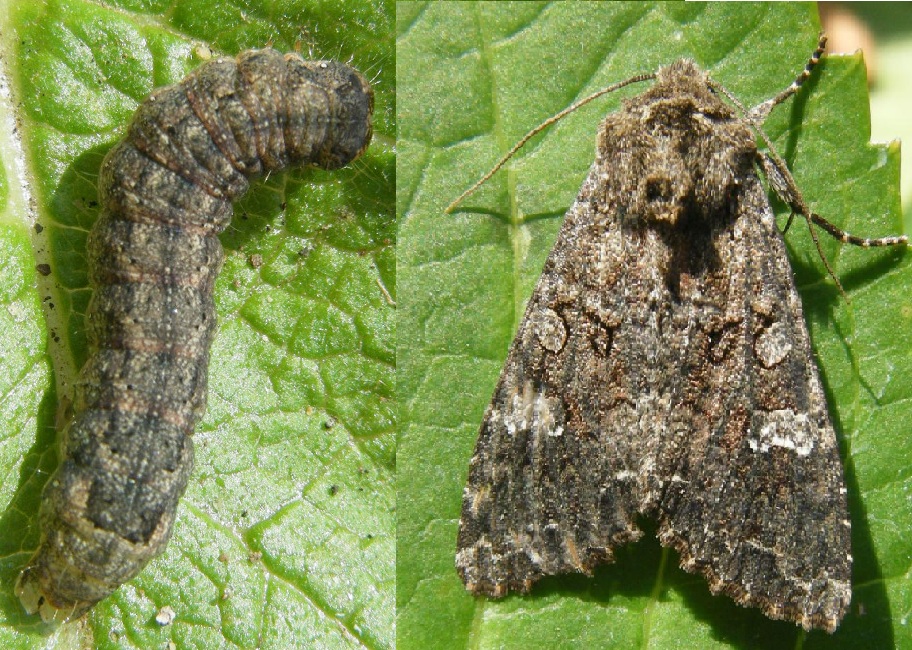
Knowing this danger, it's best to use preventative measures. In the fall, thoroughly dig up the garden bed and then level it. Early planting of seedlings is recommended. Fragrant thyme and sage, planted in the garden bed, repel cabbage moths.
There are various control measures. Spraying with pepper infusion gives good results. Boil 50 grams of dried peppercorns in 1 liter of water for 1 hour. Let the infusion steep for 48 hours. Then strain. To help the solution adhere to the leaves, you can add laundry soap.
But infusions of wormwood, burdock, and potato tops are also used.
A simple and effective method is to collect eggs and larvae by hand. Experienced gardeners recommend foliar feeding with superphosphate and potassium chloride.
Desperate and ready to resort to chemicals? Follow the instructions for use of Fas, Zeta, or Inta-Vir.
Snails and slugs
Snails and slugs are active at night, especially in cool and damp weather. Dry and hot months themselves provide protection against them. However, if the weather is favorable, the mollusks display a voracious appetite: cabbage leaves become gaping with holes. Furthermore, snails and slugs can carry diseases as they crawl across plants.
But it's entirely possible to combat them without resorting to "thermonuclear" chemistry. As strange as it may sound, snails and slugs are best dealt with through cunning.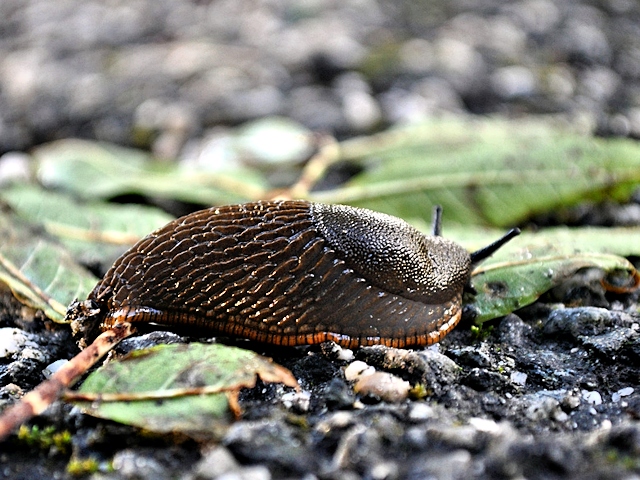
For example, gardeners set traps. They dig several holes in their beds, place plastic cups in them, and prepare the filling. Options include:
- corn flour - mollusks eat it willingly, but they die from it;
- beer;
- kvass;
- sweet water with added yeast;
- fermented juice.
You can set up a kind of "obstacle course" by laying down paths:
- from mustard powder;
- from nettles;
- from eggshells;
- from coarse sand or coffee grounds;
- from salt;
- from small gravel or shells.
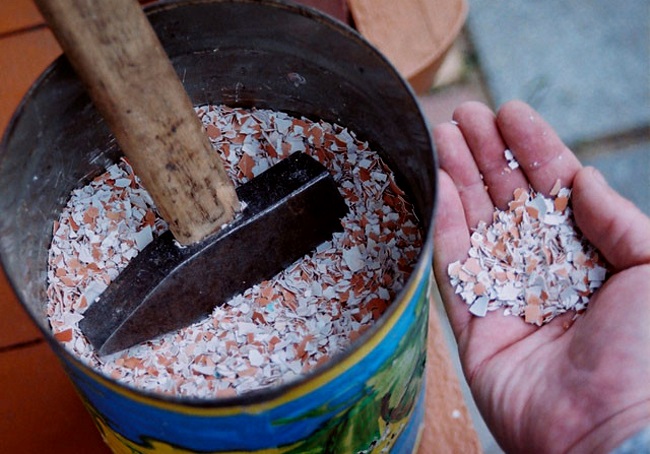
Mollusks can't overcome these obstacles. They won't reach the cabbage if you sprinkle pine needles around it.
You can spray the cabbage and soil with strong coffee or ammonia diluted in water (1:6). This concentration won't harm the plants, and the pungent smell of ammonia will repel pests.
Of the chemical agents, Groza and Meta are effective in these cases.
Video "Pests"
From this video you will learn what pests look like and how to deal with them.
Universal and chemical methods of protection
Experienced experts answer the question of how and what to use to treat cabbage against pests using folk remedies. This method is, of course, preferable. It's safe for people, pets, and birds. And the vegetables will be much more environmentally friendly.
Of course, as you've already seen, there are specific control methods for each pest. But there is at least one universal one. Almost all insects that harm cabbage are very sensitive to strong and pungent odors. They simply shy away from our beloved aromatic herbs. Therefore, it's always a good idea to plant the following in your garden beds:
- parsley;
- dill;
- cilantro;
- basil;
- rosemary;
- celery;
- mint.
-
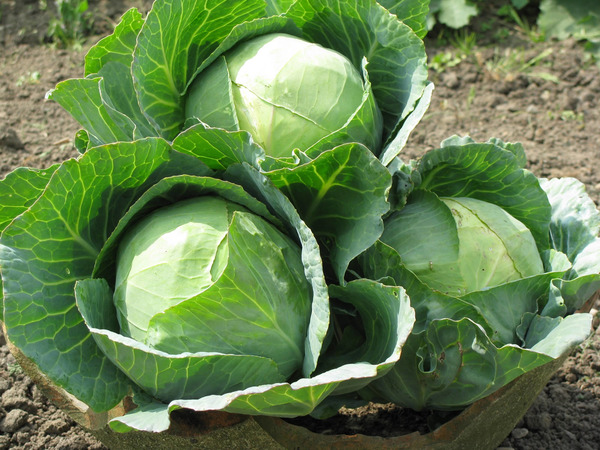
But if things are already completely neglected, there's nothing else to do but treat the garden with chemicals. Again, there are products that are effective against a specific pest. This is always indicated in the instructions. You can use:
- Bankol;
- Fury;
- Iskra-M;
- Kemifos.
They must be used in strict accordance with the instructions so that the harvest is good in both quantity and quality.
Video: "Effective Pest Control"
This video will show you how to effectively protect your vegetables from insect attacks.