
How to Preserve Cauliflower: Expert Advice
Content
Preparing for winter storage
The longest lasting preserves are those made from home-grown vegetables. 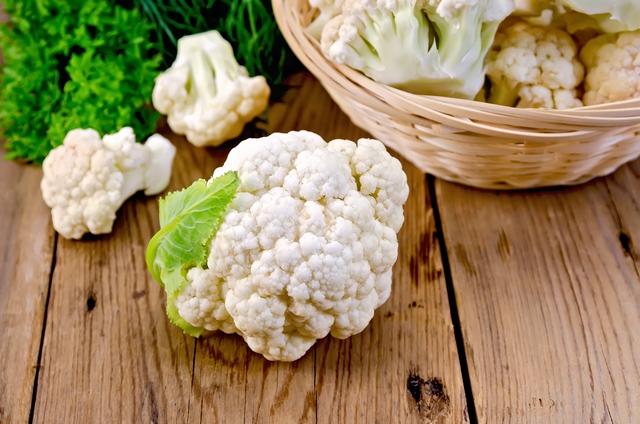 After all, cabbage can be prepared in advance, taking into account the following points:
- Wet heads of cabbage are not suitable for storage, so the harvest should be collected on a warm, dry day.
- An overripe vegetable automatically loses most of its nutrients, so it's best to harvest cauliflower early, ensuring it ripens thoroughly.
- The inflorescences should be harvested along with the leaves covering them. The fruits should be protected from direct sunlight, as ultraviolet light causes the harvest to turn yellow. Such cabbage should not be consumed. Sometimes the head is dug up along with the roots.
- If long-term storage is planned from the outset, then nitrogen fertilizers should not be applied during cultivation. Under such conditions, cabbage will quickly spoil, even if stored perfectly.
- The fresh head of cabbage is lightly air-dried under a thin cloth. After this, you can begin storing.
A properly organized preparatory stage ensures the preservation of most vitamins and microelements in the fruit.
Video "Freezing"
This video will show you how to freeze cabbage for the winter.
How to properly store in a cellar or basement
When storing cauliflower in a cellar, the first step is to maintain a temperature between 0 and 4°C. Excellent ventilation and a humidity level of at least 90% are also essential.
Before storing cabbage for the winter, it needs to be sorted. Spoiled and loose vegetables should not be stored. The storage method depends on the duration of storage. So, there are several ways to store cabbage in the cellar:
- Upside down. Remove excess leaves from the head of cabbage and hang each cabbage by its stem from the ceiling. This way, the cabbage will save a lot of space. However, you can only store the cabbage hanging for up to a month.
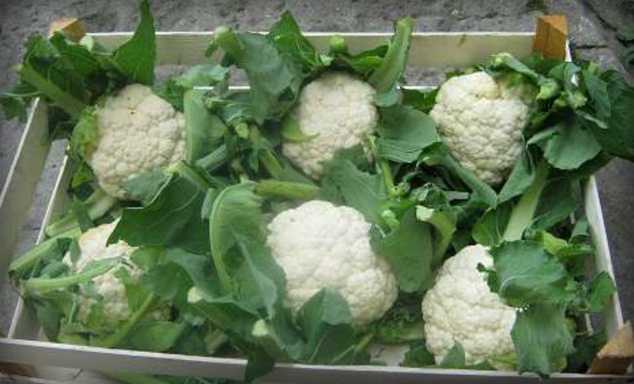
- In a box or on a shelf. Trim the top leaves and roots from the cabbage. Place the cabbage in boxes or on a shelf so that the heads don't come into direct contact with each other. Minimize sunlight exposure. To achieve this, wrap each head in newspaper or plastic. If you have a large harvest, cover it with opaque film. Monitor the condition of the cabbage weekly. When a large amount of condensation forms on the plastic, replace it. Heads of cabbage can be stored this way for up to 3 months.
- In clay. Each cabbage is coated with a clay solution, then dried and stored in a cellar or basement. The clay protection lasts up to 5 months.
- In sand. Remove the leaves (but not the roots!) from each fruit and bury them in damp sand. Periodically, moisten the "substrate," and inspect the vegetables and remove any that have begun to rot. Sand storage lasts for six months.
- Growing. If the vegetable heads are still small at harvest time, they can be grown indoors. To do this, thoroughly water the plantings a few days before harvesting, then dig them up along with the soil. In this state, transplant the vegetables into prepared cellar beds. Plant them close together, covering them with soil. Cover the beds with opaque film, cardboard, or plywood. With proper storage, harvesting is possible almost year-round.
Store in the refrigerator or freezer
Long-term storage of vegetable harvests is also possible in an apartment: on the balcony, in the refrigerator, or in the freezer. If the harvest is abundant, you can set up a special storage cabinet on the loggia. This container should be insulated with foam or other insulation. The vegetables are completely cleaned of yellow leaves and roots. Each head of cabbage is wrapped in newspaper or plastic and placed on cabinet shelves. The packaging should be changed periodically to prevent black spots from appearing on the vegetables.
If your apartment doesn't have a balcony, you can store the colorful vegetable in the refrigerator. However, this storage period is short. The peeled heads are wrapped in cling film or plastic bags and placed in the vegetable compartment.
Every five days, the cabbage packaging should be removed, as moisture condenses on it. The cabbage itself should be dried and rewrapped. Regardless of how often the packaging is changed, the maximum storage time for this type of cabbage is no more than a month.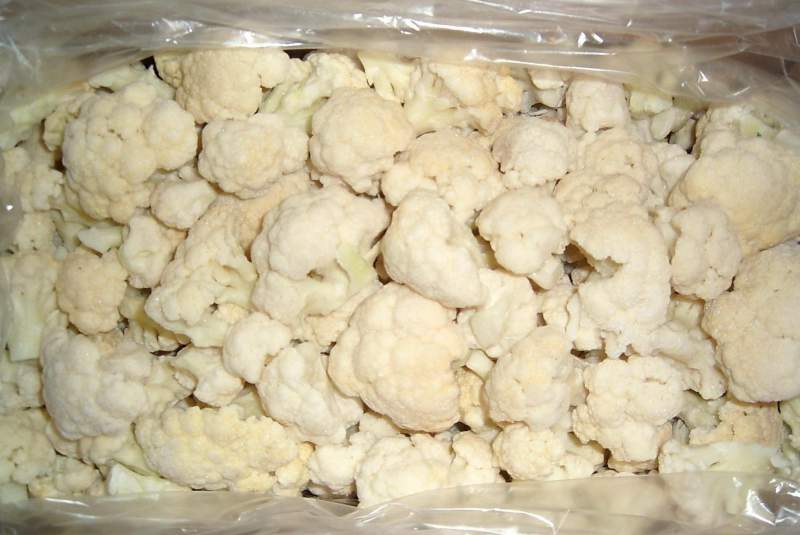
Storing cauliflower for a long time is only possible in the freezer. While this process causes the vegetable to lose some of its vitamins, it is widely used in cooking. To freeze the cauliflower properly, separate the florets, rinse thoroughly, and boil them. A small amount of citric acid can be added to the boiling water. After boiling, dry the florets, place them in special containers, and freeze them. You can also freeze the cauliflower without pre-boiling, but this will alter its flavor and color. Frozen cauliflower can be stored for as long as needed.
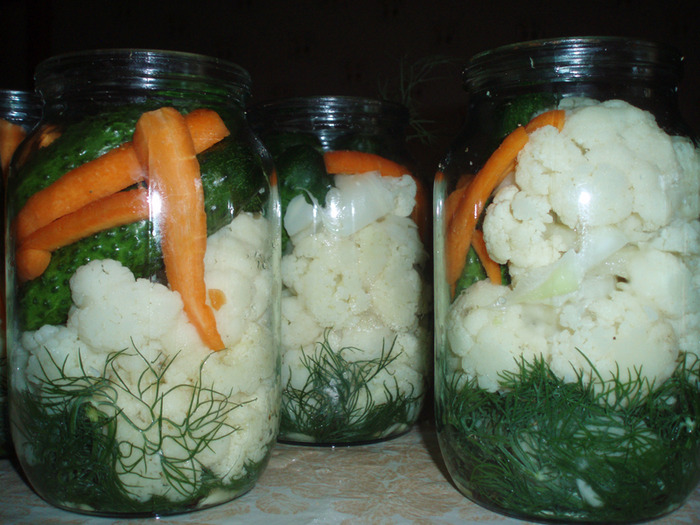
Cabbage is often preserved by pickling. These preserved cabbages, sealed with lids, are kept indoors for half a month, and then transferred to a cool place away from sunlight.
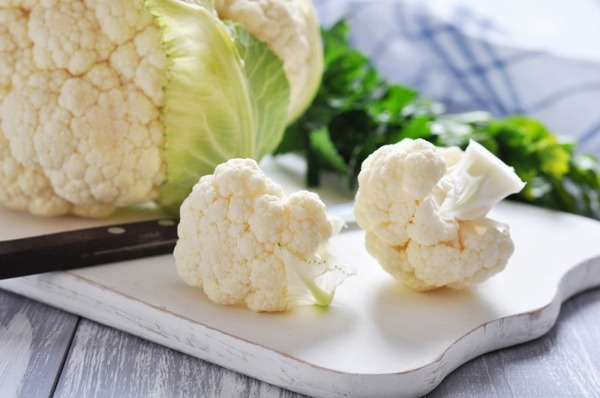
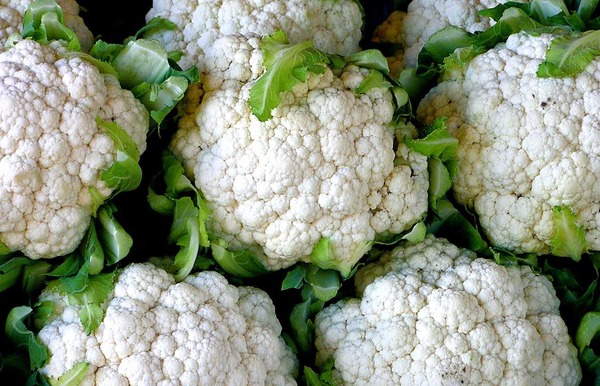
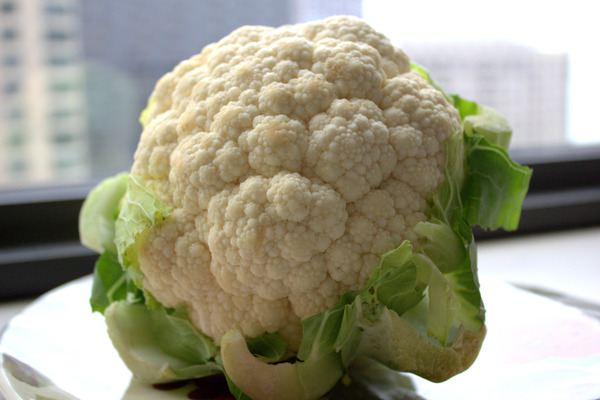
So, there are many ways to store cauliflower. You can choose the most suitable option depending on your storage conditions, purpose, and expected shelf life.
Video "How to store"
This video will show you how to store cauliflower.