
Purple Cauliflower: Pros and Cons
Description
The main advantage of this vegetable is that it accumulates much less sugar, but has a record-breaking ascorbic acid content. Furthermore, purple cauliflower contains minimal fiber, making it easy to digest.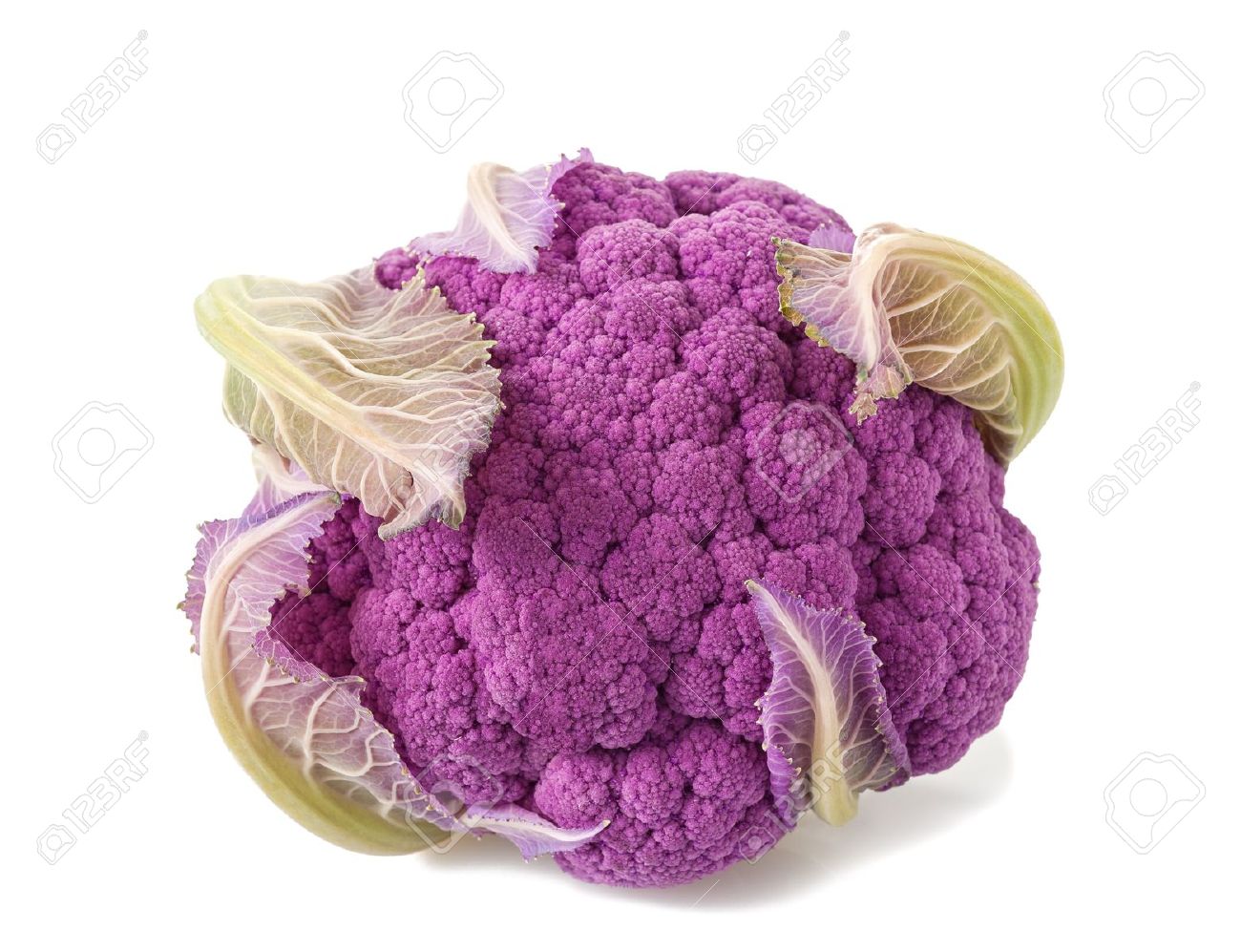 Some gastroenterologists even recommend regular consumption of purple cauliflower for patients with liver problems, diabetes, or atherosclerosis. This opinion is supported by research from the Institute of Nutrition, which states that everyone should eat at least 2.5 kg of cauliflower per year.
Landing
The best yields come from plants grown from seedlings. The seeds are carefully placed on well-moistened and fertilized soil, lightly pressing them into the soil surface and covering them with a thin layer of sand. This is a characteristic of cauliflower: young plants of this crop are much more susceptible to blackleg disease than others, and dry sand can create a protective barrier between the plant and the harmful environment. If, for any reason, the disease does affect your seedlings, promptly remove the affected plants: they are useless, but they can easily infect healthy shoots.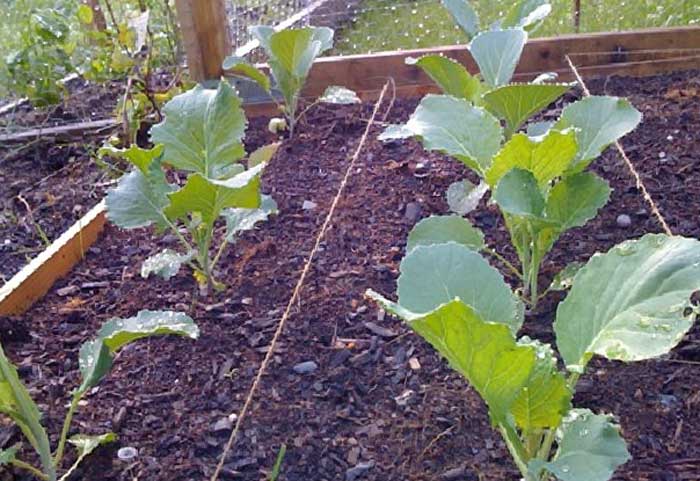
As soon as the first shoots appear, the young seedlings should be placed in a cool place for a week to harden off; otherwise, the plants will stretch upward without developing roots. Approximately 20 days after emergence, the first feeding should be done.
Growing
The seedlings can be transplanted to a permanent outdoor bed once they have formed 5-6 true leaves. Plant them with a significant distance between the bushes—remember, the plant will form a voluminous inflorescence.
Some gardeners achieve a good harvest without seedlings: by directly sowing purple cauliflower seeds directly into the garden bed.
However, several conditions must be met: first, sowing should be done very sparingly, given the size of mature, fully formed plants; second, it's best to choose early-ripening varieties. Ambient temperature should also be taken into account; sowing can be done when the air and soil have warmed sufficiently. Sometimes, for added safety, cauliflower crops are covered with plastic wrap until the seedlings emerge.
Care
Cauliflower, including purple cauliflower, is extremely demanding of soil fertility—don't expect a bountiful harvest in poor soil. It also doesn't like overly acidic soils. The optimal temperature for normal florets is considered to be 17 degrees Celsius. If the temperature rises to 25 degrees Celsius, florets may develop significantly more slowly.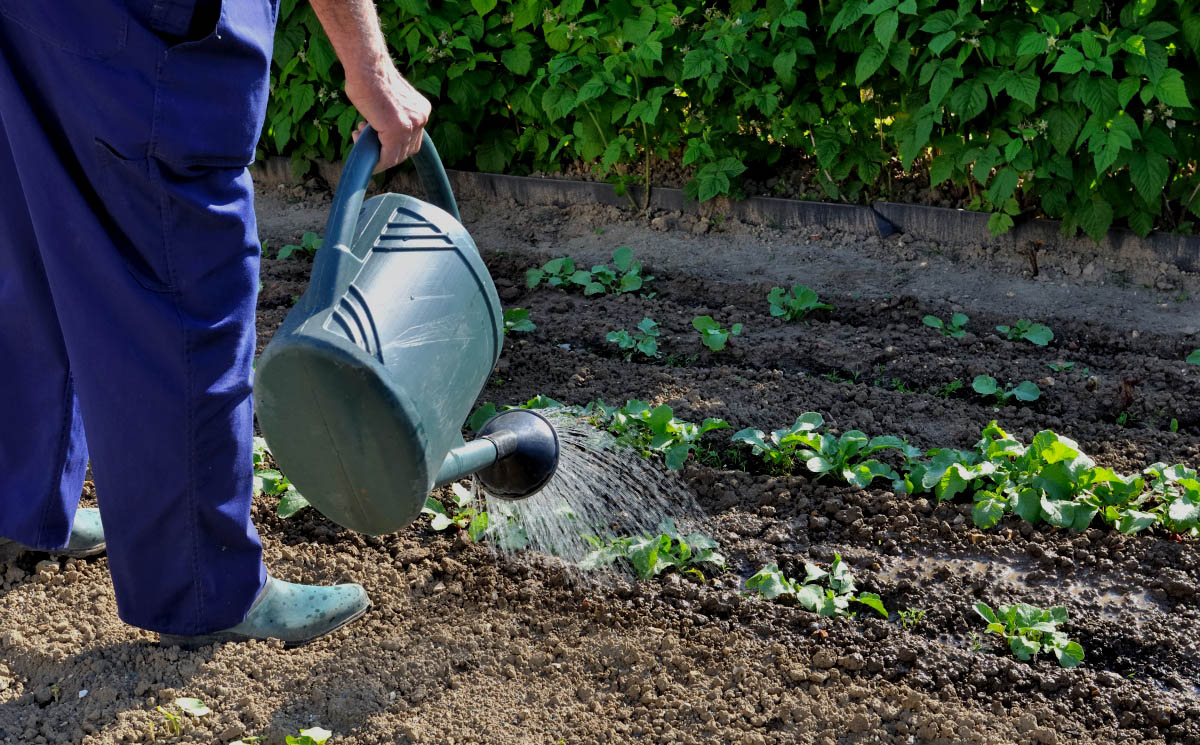
Hilling also plays a significant role in the cabbage plant's fertility, and it's essential to use moist soil; this procedure provides additional strength to the plant. Maintaining optimal humidity is also crucial: you might be surprised, but it takes just under 200 liters of water to produce 1 kg of cauliflower! Therefore, insufficient watering can lead to premature flower formation, small size, and poor taste.
Cauliflower begins to form a head when it has about 10 leaves. Once you notice the inflorescence appearing, expect the head to fully form—this will happen in about 10 days.
Don't delay harvesting, as purple cabbage heads retain their firmness and density for only a few days before they begin to disintegrate into individual florets. To prevent the heads from turning brown, gardeners sometimes break off the top leaves of the plants to provide additional shade.
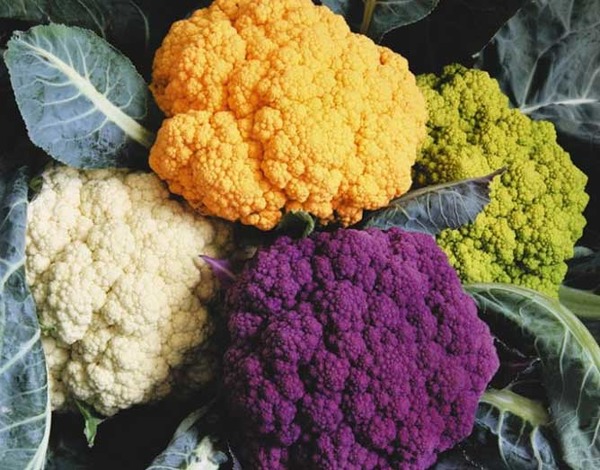
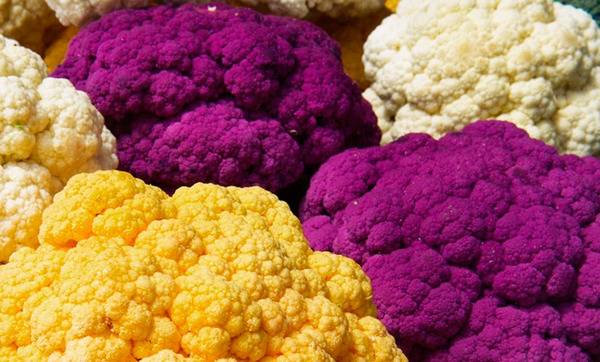
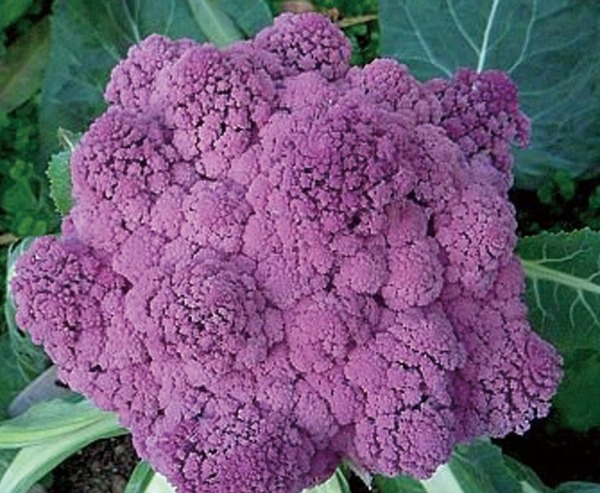
But this method can lead to a disruption of the nutrition of the head itself, so it is much safer to simply gather the leaves into a bunch and secure it with twine.
Pros and cons
It's hard to overstate the benefits of purple cauliflower—its carotene content easily outshines carrots. Furthermore, it's recommended even for those with high blood sugar, as it contains very little glucose.
Disadvantages include the plants' somewhat capricious nature during cultivation, as well as increased requirements for seedlings (if you buy them rather than grow them yourself). Avoid purchasing plants that have already begun to form ovaries: the existing ones will inevitably die off, and the formation of new ones may be in question.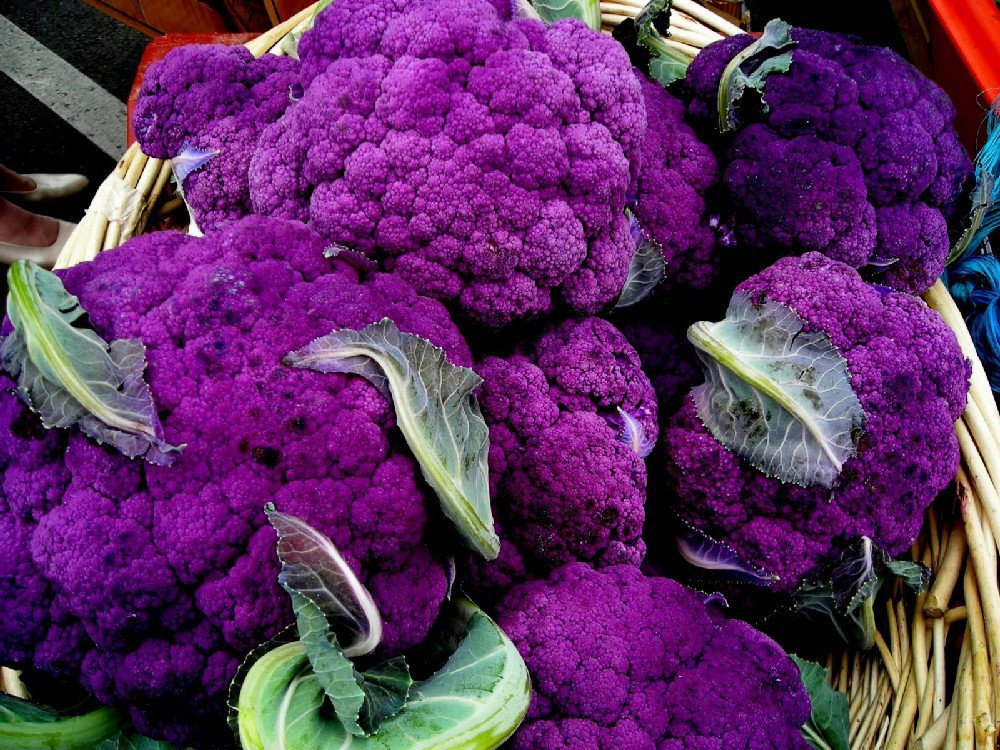
Be sure to try growing this unusual vegetable in your garden. Despite its capriciousness, it will add sophistication and variety to your table, not to mention the invaluable benefits that eating such cabbage will bring to your body.
Video "Growing"
From the video you will learn how to grow cauliflower.