
What to plant after cabbage next year
Content
Peculiarities of growing cabbage
Cabbage grows well in fertile, structured loams. Most varieties require neutral soil, but only a few can thrive in acidic soil. It requires a lot of mineral and organic fertilizers, especially nitrogen, from the soil. Therefore, when preparing the beds for cabbage, the soil is always fertilized. After planting the seedlings, the vegetable is fed throughout the season with various fertilizers, most often humus, slurry, and compost. Gardeners who grow cabbage in their gardens prefer organic fertilizers of natural origin.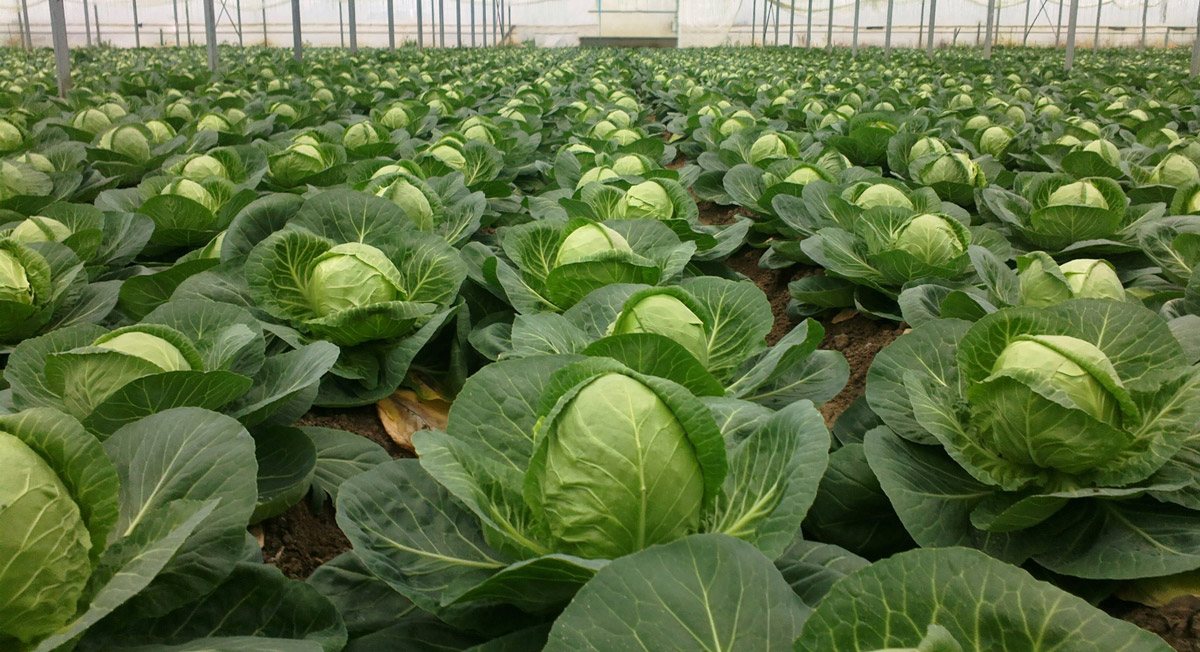
No matter how much attention the owners pay to fertilizing their crops, after harvesting the heads of cabbage, the area remains severely depleted to the full depth of root penetration.
The cabbage family's root system develops very strongly, the roots grow deep, the main root reaches a depth of over forty centimeters, and the lateral roots can grow in different directions and reach a depth of 1 meter.
So it turns out that the year after these plants are planted, any other vegetable that requires a lot of micro- and macronutrients for growth and fruiting will simply not be able to obtain the nutrients it needs. So, even after the necessary preparation (fall digging and fertilization), not every crop can be planted.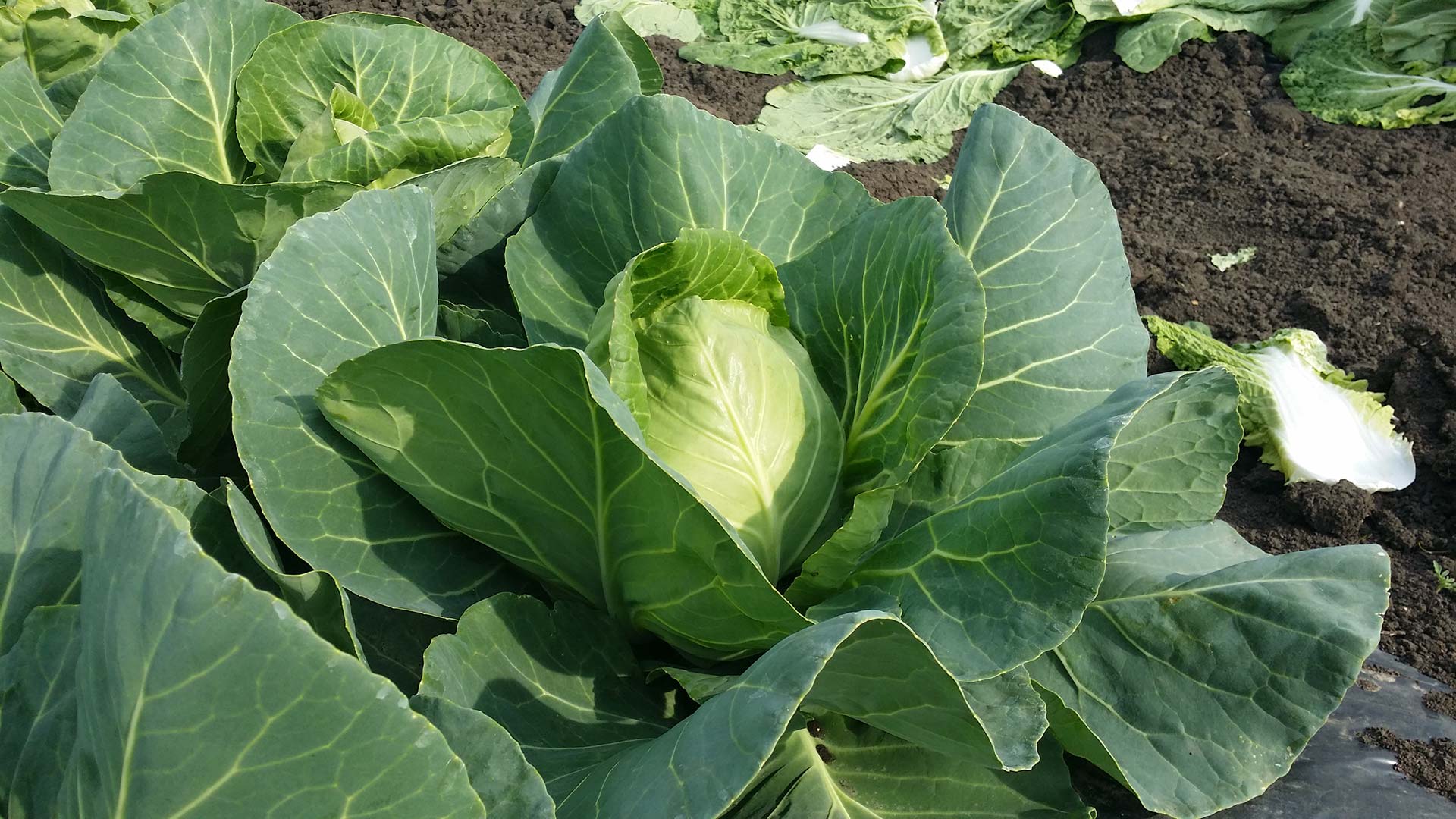
Cabbage, like most garden crops, is susceptible to a range of diseases and pests that seek to prey on it. Root rot, black spot, white rot, clubroot, and powdery mildew—all these diseases lurk in the garden. Even if they are successfully controlled, some pathogens (often tiny fungal spores) will remain in the soil. There, they will successfully overwinter and prepare to attack with renewed vigor any plants the owner plants after cabbage the following year. Therefore, only plants that are not susceptible to these diseases can be planted in this area.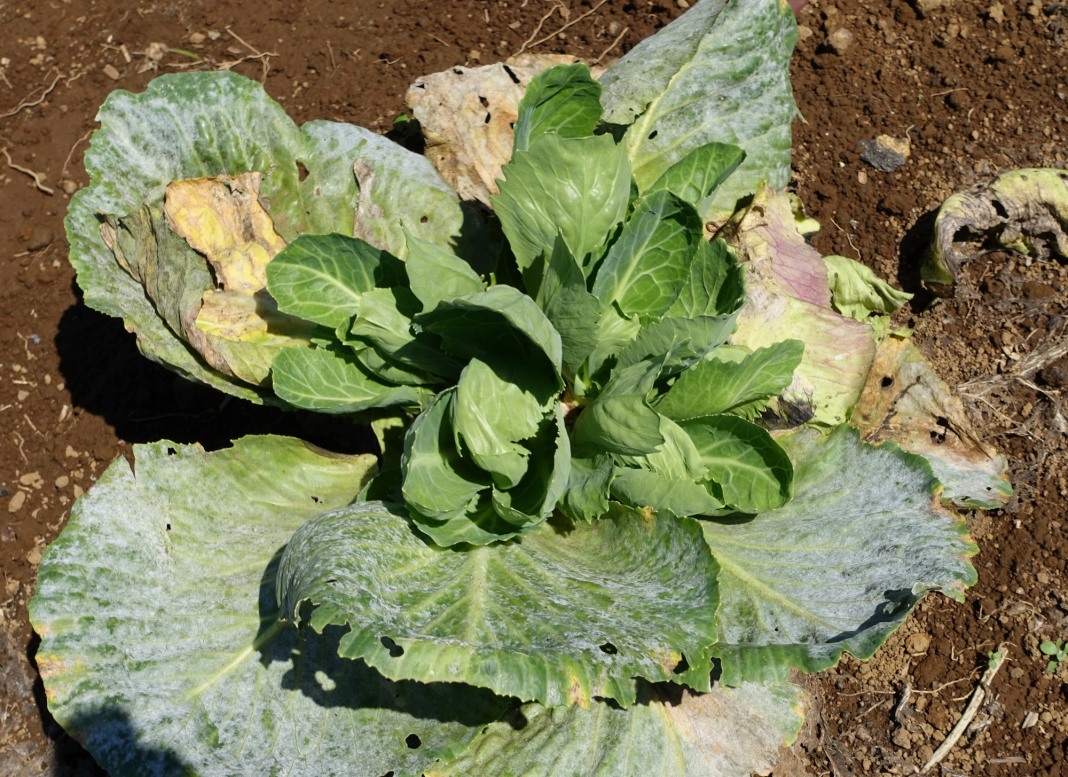
Everyone knows about cabbage butterflies, but there's also a special kind of aphid, which is hard to spot, and the cabbage leaf beetle, a beetle that eats succulent leaves. All these insects are eager to feed, and even if they're driven away with special treatments, they'll remain or leave their offspring to overwinter nearby, knowing that next year will provide them with food. Their hopes must be dashed by planting completely different plants. If slugs or snails are infesting the area, and this can happen anywhere during a rainy summer, they'll inevitably find the cabbage. Even if you manage to scare them off, they'll return the following year, hoping that cabbage is always planted there.
Video "What to Plant"
In this video, experienced farmers explain what can be planted after growing cabbage.
Planting sequence of crops
All these factors combined explain why cabbage should not be planted in the same spot for at least three years. Sometimes, an inexperienced gardener plants good seedlings and cares for them properly, but the crop fails to produce a bountiful harvest or the vegetables grow poorly. Weather conditions or unsuitable soil are usually blamed, but more often than not, the gardeners themselves are to blame for not following crop rotation rules. Few crops can be planted in the same spot for several years in a row. Cabbage is not one of them. Three years after harvesting the cabbage crop, the soil should be thoroughly fertilized before it can be planted again, and only then if cruciferous vegetables have not been grown in the same spot for the past three years.
Cabbage is planted in beds after cucumbers, onions, and perennial herbs, since they do not deplete the soil too much, and their roots do not grow very much.
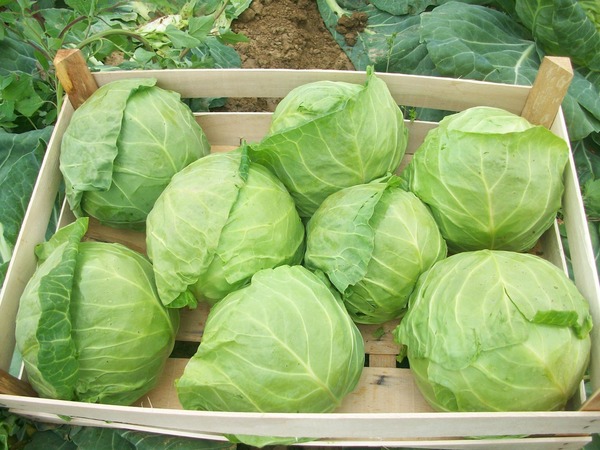
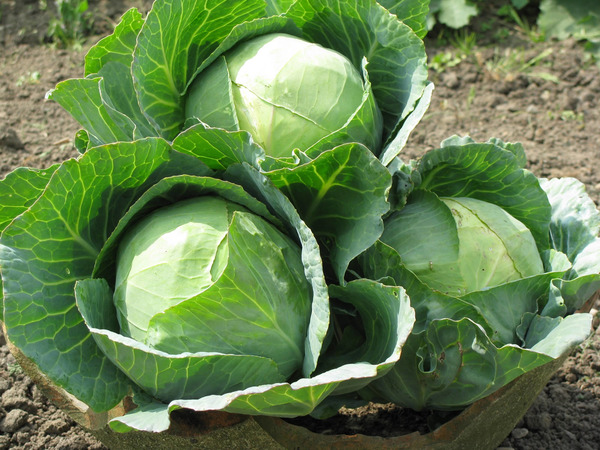
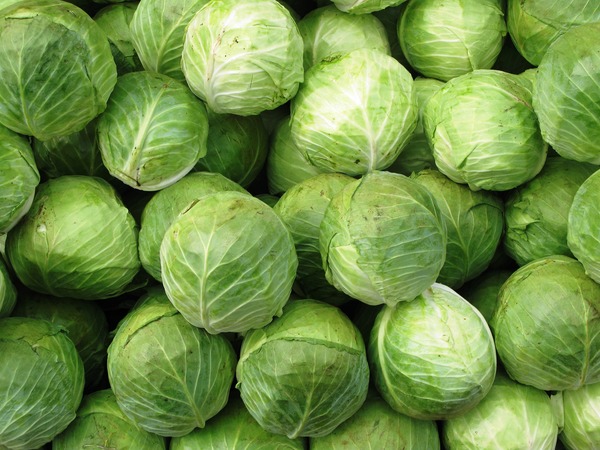
After cabbage, the bed is tidied up in the fall, and in the spring, potatoes, carrots, and beets are planted. Root vegetables will grow well in this spot, but onions and garlic are even better, as they yield a wonderful harvest. Cucumbers should be planted after cabbage—they grow well after cabbage. Eggplants and tomatoes also grow well; the soil will have time to rest before planting, and the fertilizer applied in the fall will be evenly distributed throughout the fertile soil layer. Parsley, celery, dill, spinach, lettuce, peas, zucchini, and squash—all these crops can be grown in the beds after cabbage.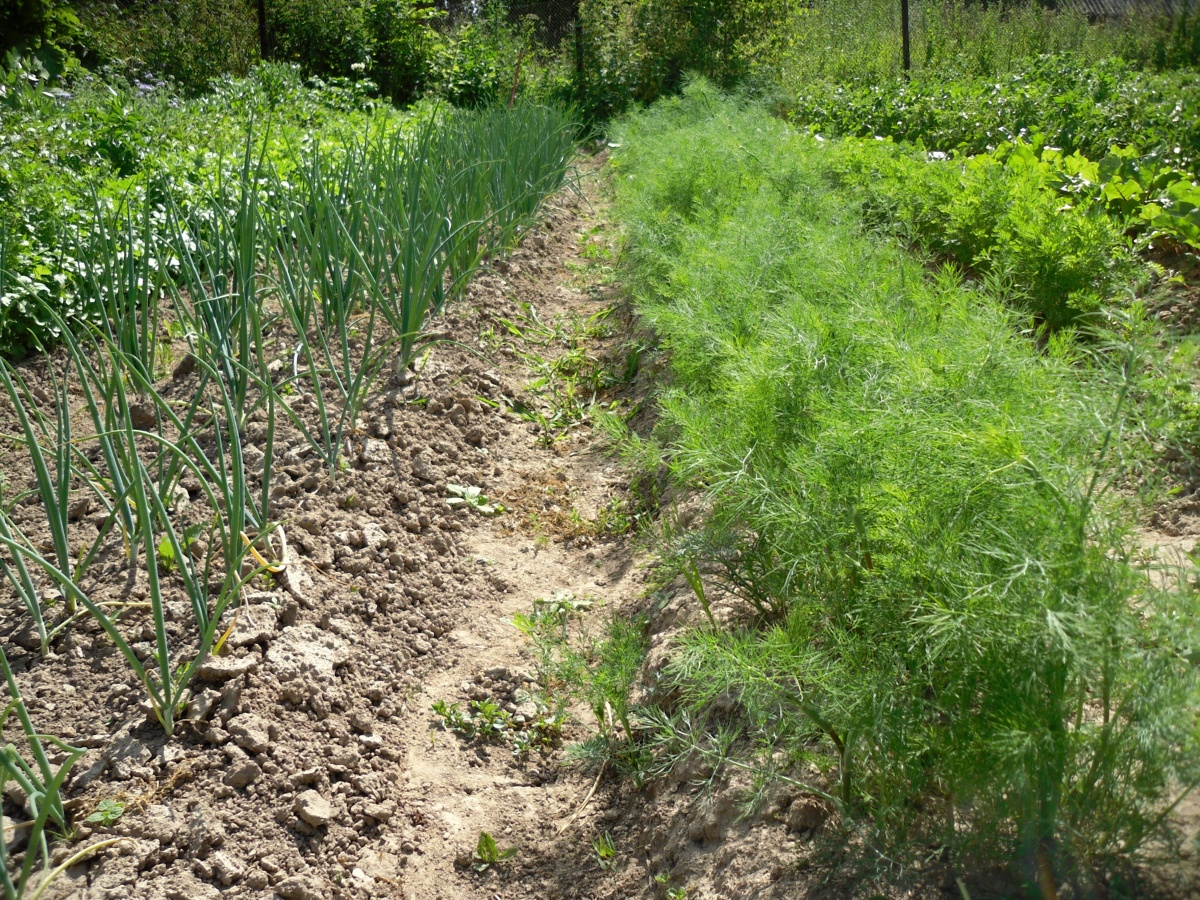
However, cruciferous plants should not be planted in beds after cabbage – they will grow poorly due to a lack of nutrients and will be plagued by pests and diseases.
Video "Vegetable Crop Rotation"
The video reveals the subtleties of planting some vegetables after others.