
How to treat cabbage from caterpillars: effective folk remedies
Content
Methods of struggle
The most common pest attacking cabbage is the cabbage white butterfly, also known as the cabbage white butterfly. This pest lays eggs on cabbage leaves. After a few days, caterpillars hatch. They immediately begin damaging the cabbage leaves. Initially, the parasites merely scrape the leaf blades. At this stage of their development, they are small, so the damage they cause is not very noticeable. However, when they grow to 4 cm in size, the insects begin to destroy the cabbage heads at a rapid rate.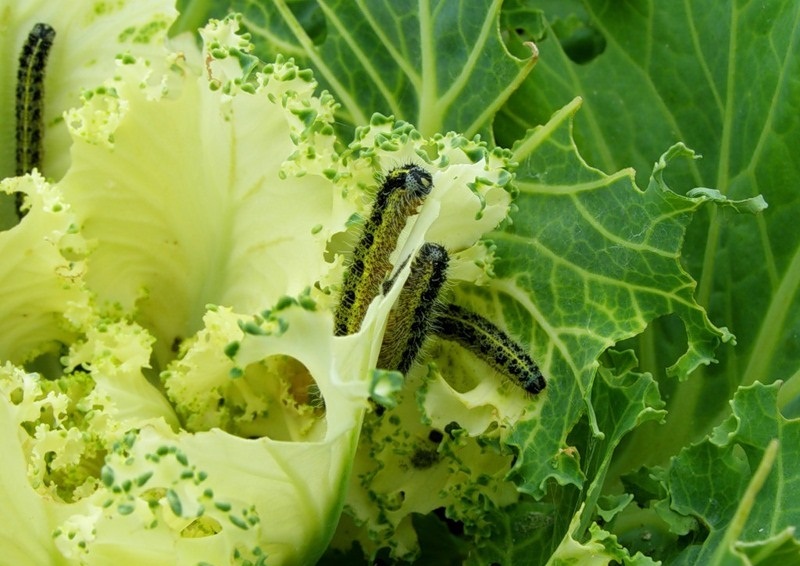
Caterpillars live for 15 to 30 days. After this period, they pupate. The pupae then emerge as butterflies, and the cycle repeats. As a result, if no control measures are taken, up to three generations of the pest can form on your cabbage crops over the summer, and in the southern regions of our country, up to five. If this happens, the entire crop will likely be consumed.
However, cabbage isn't the only insect that attacks cabbage. Cabbage turnips are also often found on plants. Their caterpillars, although smaller in size, have a voracious appetite.
The cabbage armyworm and cabbage moth also threaten this vegetable crop. Both insects are small nocturnal moths. Their caterpillars also feed on cabbage leaves, damaging the plant and reducing the quality of the harvest.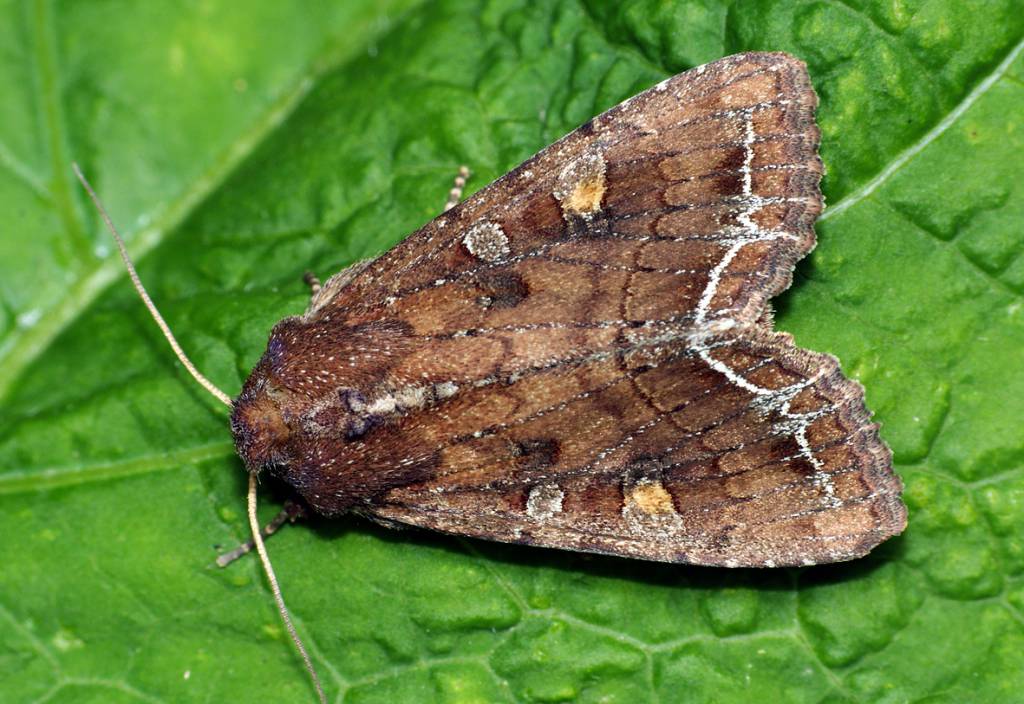
As we can see, the question of how to combat a caterpillar infestation is a pressing one for gardeners who grow this crop. There are a variety of ways to get rid of the moths and their offspring. However, the most effective and efficient method is prevention, which keeps the pests at a respectable distance from the crops.
It's worth noting that cabbage infected with caterpillars is no longer edible. This is because it becomes toxic to humans. Therefore, even if you manage to get rid of the pest, you'll still have to throw the cabbage away.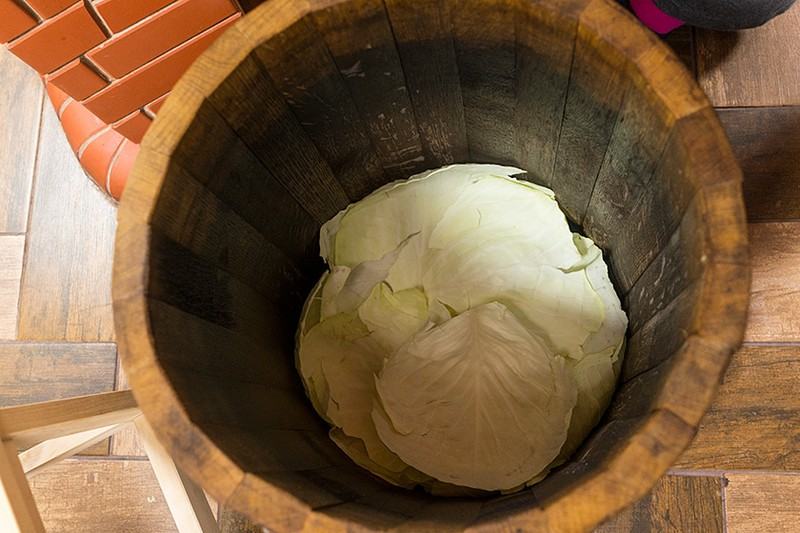
These insects dislike strong and pungent odors. This weakness can be exploited for control. For example, parsley, celery, sage, cilantro, and basil can be planted near crops. Rows between cabbage plants are an excellent place to plant dill. The odor of these plants is unpleasant for the pests. At the same time, it is an excellent means of attracting the caterpillars' natural enemies (parasitic parasites, lacewings, and ladybugs). Therefore, such a simple pest control method as planting herbs is considered a very effective preventative measure.
But you can also repel pests from planting this vegetable crop by planting pyrethrum, marigolds, calendula, and nasturtium.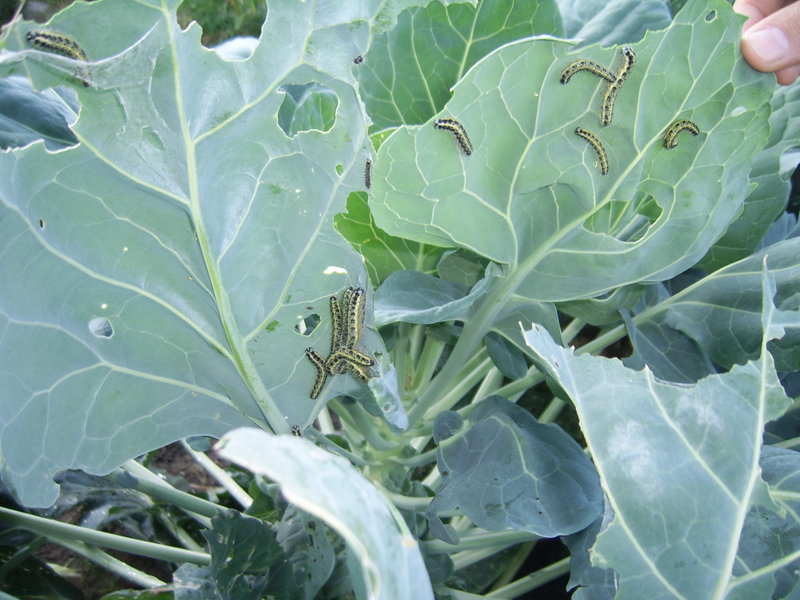
If preventative control methods prove ineffective and the insects have laid eggs, mechanical control is the only option. This involves the following steps:
- weeding between rows;
- removal of all plant waste from the beds;
- careful inspection of plants to detect caterpillars or eggs;
- DIY pest control.
Mechanical methods can be used to collect and destroy cabbage white and cabbage white caterpillars. However, this method is ineffective against cabbage moth offspring due to their mobility. This pest is completely invisible during the day. The caterpillars sleep, hidden at the base of the cabbage stalk. Additional pest control methods can be used to eliminate them. Ants and wasps are excellent at controlling cabbage caterpillars. Therefore, they should be attracted to the plantings. Sweet syrup can be used for this purpose. Ants can even be relocated using soil from the anthill. They will consume the parasites and return to their nest, if one is nearby.
There's another quite effective method of insect control. Stretch a thin, transparent net over the plantings. It should allow in the light needed for plant growth and development. This net will prevent butterflies from landing on the cabbage leaves to lay eggs.
The net will need to be lifted from the cabbage sprouts.
When using transparent netting, it's important to understand that it won't protect plants from pests such as beetles, slugs, and aphids. Therefore, some gardeners prefer more radical control methods, such as the use of specialized products. After all, treated vegetables are protected from a significantly wider range of pests.
Video "Cabbage Pests"
From the video you will find out what to expect from your harvest.
Caterpillar control
Many gardeners wonder, "What can I use to treat cabbage?" to more effectively combat insect pests? Specialty stores sell a wide variety of products for this purpose:
- pills;
- powders;
- ampoules.
Any purchased product simply needs to be diluted in the required amount of water (usually 10 liters of water is recommended). After this, you can treat the plants. The prepared solution is often enough to treat 50 m2 of plantings.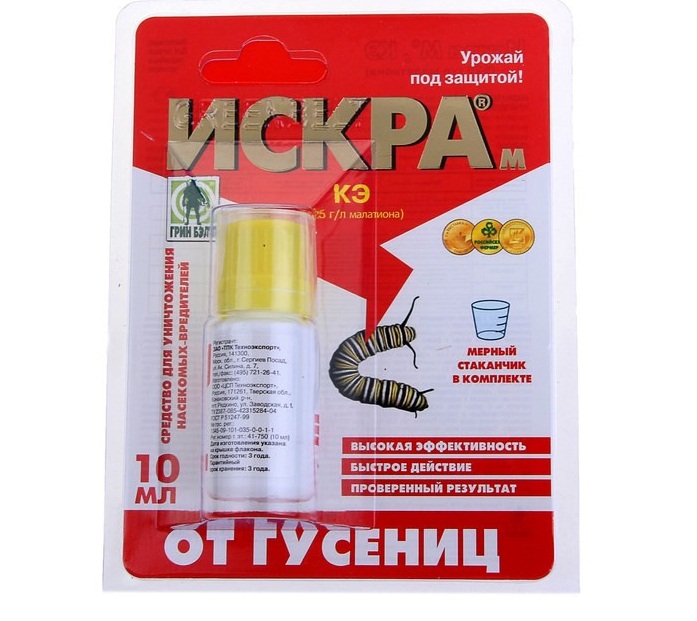
When using such products, it's important to read the instructions carefully and follow the application deadlines. Remember that the final treatment should be carried out a month before harvesting. Otherwise, the cabbage will become hazardous to human health. For this reason, many gardeners prefer to use folk remedies to combat caterpillars.
Traditional methods
How to treat cabbage against caterpillars using home remedies? A wide variety of solutions can be used. However, the most commonly used solutions in this situation are:
- vinegar;
- saline;
- from ammonia.
A folk solution for combating parasitic insects is prepared as follows:
- take 1 glass of vinegar (can be replaced with 1 tablespoon of vinegar essence), 2 tablespoons of salt or 50 g of ammonia;
- The main component must be diluted in 10 liters of water.
Once the solution is ready, spray it on each plant. Never water the plants with the prepared solution. Water the cabbage only with water. This procedure should be repeated several times at regular intervals throughout the season.
It's interesting to note that when asked "how to treat cabbage with folk remedies against caterpillars," the answer is often "ash." This combustion product has proven itself to be an effective pest repellent. To do this, ash is added to the soil, scattered around the roots.
In addition to the methods described above, cabbage can be sprayed with a hot pepper decoction to protect against pests. To prepare it, boil 10 liters of water and add 1 kg of crushed pepper. Then let the resulting solution steep for two days. After this, strain it and dilute it (150 ml of solution per 10 liters of water). You can also add 40 g of soap. Only after these steps are completed should the plants be sprayed.
Herbal decoctions can be prepared from burdock, chamomile and delphinium leaves, as well as onion peels.
As we can see, there are many ways to combat caterpillars that have appeared on cabbage. However, the most effective method is proper preventative treatment. Only this will keep your harvest intact and safe.
Video: "Fighting Caterpillars"
From the video you will learn how to deal with these pests.