
Peculiarities of Growing Brussels Sprouts
This variety is characterized by its hardiness and cold resistance. Brussels sprouts are unmatched in nutritional value and nutrient content, making them quite popular among gardeners. However, growing and caring for Brussels sprouts has its own specific requirements that must be taken into account.
Content
Description and characteristics of the variety
Brussels sprouts are a biennial plant in the Cruciferae family. The stem is strong and long, and the leaves are small and gray-green. Numerous heads form in the leaf axils. Flowering occurs in the second year. The seeds are spherical, relatively small, and remain viable for a long time.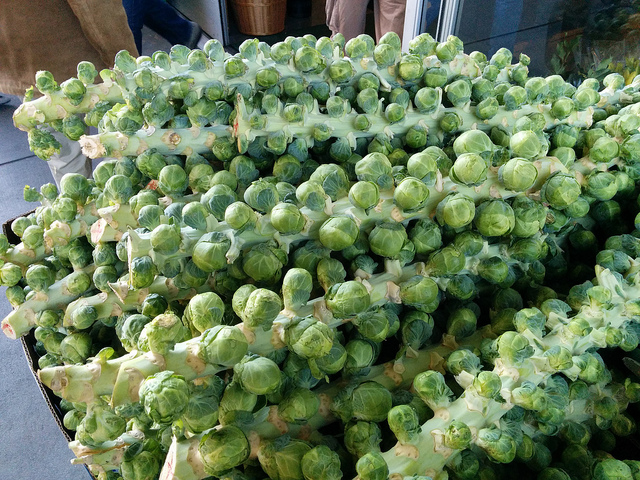
A mature plant tolerates cold well. The most comfortable growing temperature is between 12° and 22°C, but the vegetable's development does not slow down even at 8°C and during frost. Therefore, in some countries, the plant can be grown even in winter. Brussels sprouts love moisture. However, thanks to their extensive root system, they are not harmed by temporary water shortages. During their entire five-month development cycle, the vegetable requires ample light. Soil quality is also important.
Video: Planting Cabbage Seedlings in the Ground
In this video, experienced farmers explain how to properly plant seedlings of this cabbage variety.
Preparing the soil for planting
In general, the cultivation technology for this cabbage variety is similar to that for white cabbage. Because the vegetable's development cycle is quite long, it's best to avoid growing it directly in open ground. It's best to start with seedlings.
Sow seeds in a shallow container starting in March. Use slightly acidic, loose soil. Loamy soil should be diluted with peat in a 1:1 ratio. Lowland peat is usually dark and heavy, and acidic. Seedlings will be very difficult to emerge in such a substrate. Therefore, add bone meal or dolomite to the soil. It's best not to use lime for this purpose, as it will lose its effectiveness.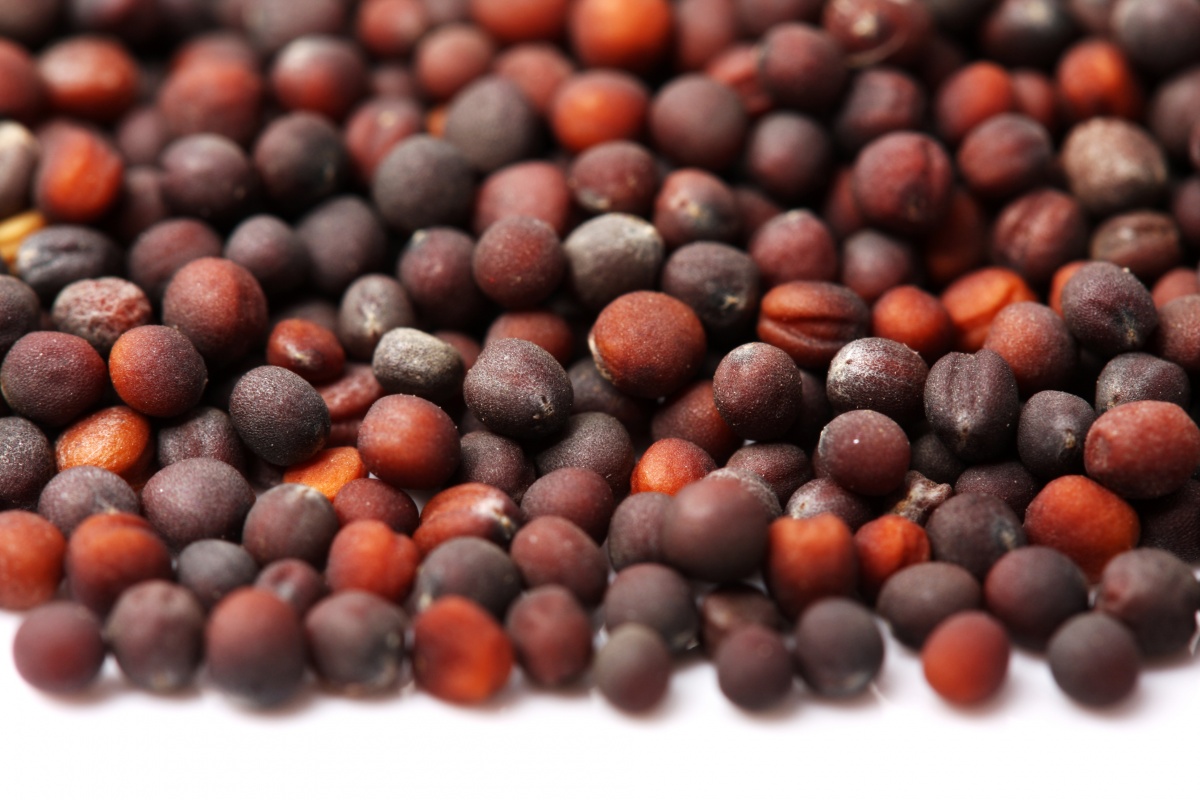
If you plan to transplant the seedlings later, you can sow the seeds quite densely. Otherwise, space the seedlings at least 3 centimeters apart. Plant the seeds in holes 1 centimeter deep. For germination, there's no need to cover the seedlings; it's best to maintain an ambient temperature of -5°C. Once the seedlings emerge, increase the temperature, but not exceed 18°C. Once the first leaves form, the seedlings can be pricked out.
Sowing and transplanting technology
Small-headed cabbage (another name for Brussels sprouts, which it received due to the size of its heads) will only grow in pre-prepared open ground. Therefore, in the fall, the soil needs to be dug up, loosened, and fertilized with organic matter, superphosphate, and potassium fertilizers.
In spring, the soil is loosened again and fertilized with urea. Only then are the beds formed. In open ground, seedlings begin to grow after transplanting in early May. Five young plants per 60 centimeters of space are sufficient. The soil around each seedling should be compacted, pressing down on the roots.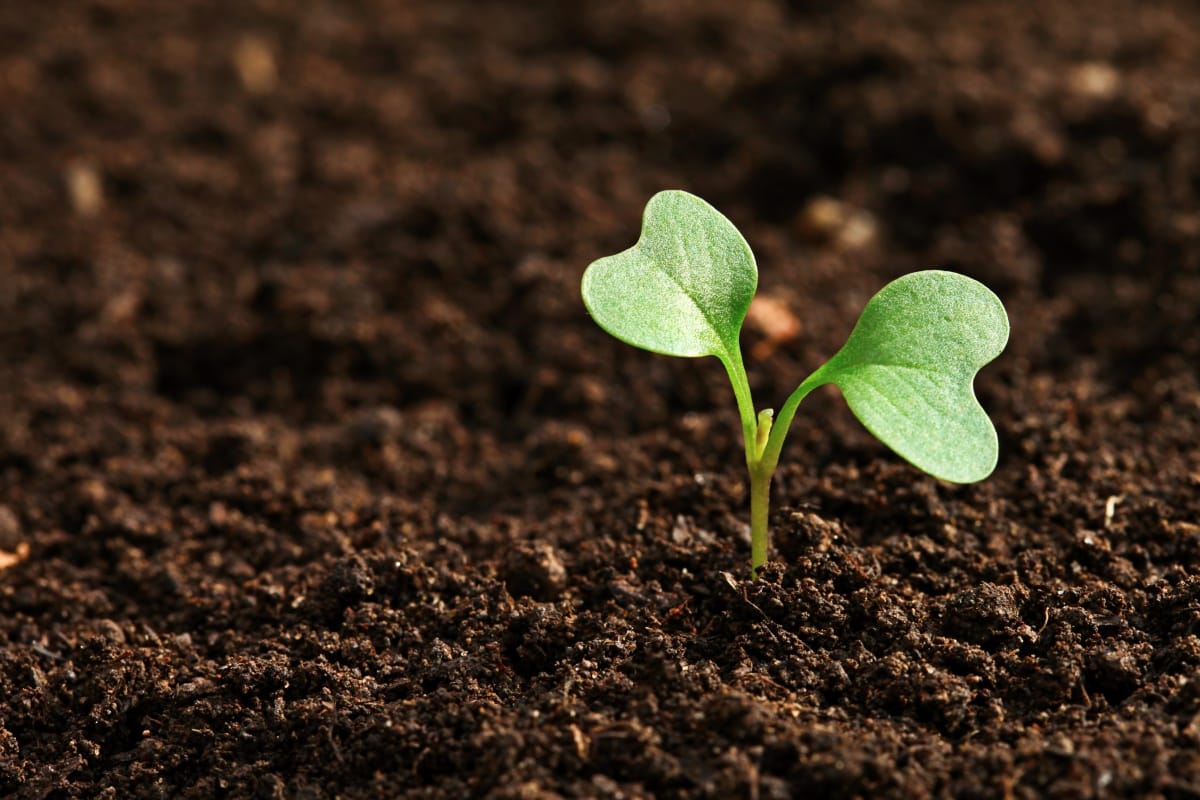
Early-season vegetables can be grown in the space between rows. For example, cucumbers, which pair well with this vegetable variety, are ideal. However, Brussels sprouts cannot be successfully grown in areas previously planted with other cruciferous vegetables. Legumes, nightshades, and root vegetables are good predecessors. Brussels sprouts deplete the soil, so they can only be grown in the same area once every four years.
Care
To grow the vegetable and reap a bountiful harvest, loosen the soil after planting the seedlings and fertilize the young plants a couple of times. After a week, replant the remaining seedlings in the container where the plants failed to take root.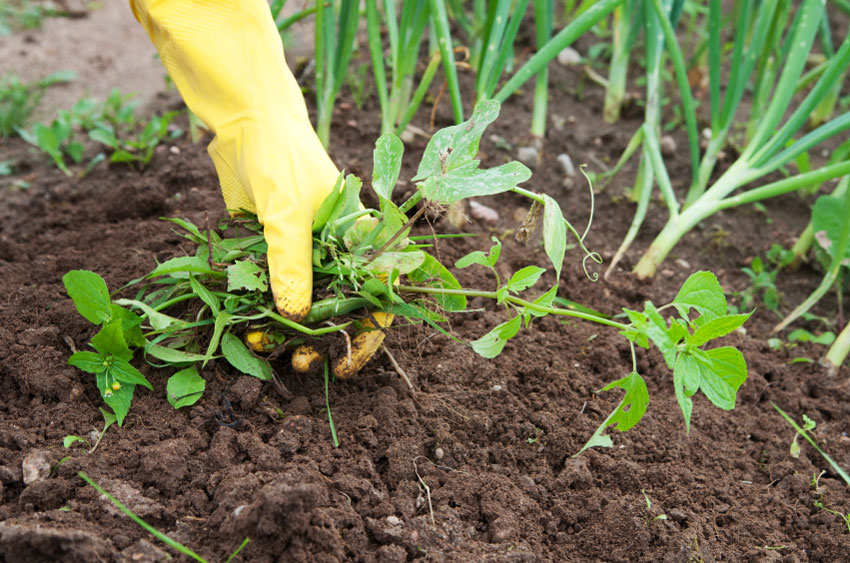
Weed control between rows has a significant impact on the success of growing the crop. These areas also need to be loosened, thus maintaining the correct environmental conditions. During the entire crop growth cycle, the soil should be loosened up to six times (the first time after planting the seedlings). Avoid hilling the crop, as this can bury the leaves, in whose axils the cabbage heads are growing.
To accelerate fruit development, the top bud should be removed. This procedure is performed in late August – early September. This promotes faster fruit ripening.
The number of waterings varies depending on the region's climate. In the North, only a couple of waterings are needed throughout the summer, while in the South, the number increases to five.
Fertilizing is extremely important for vegetables. The first application should be done after the seedlings begin to grow after planting. The fertilizer composition is as follows: 20 grams of nitrogen, 20 grams of phosphorus, and 20 grams of potassium per bucket of water. The procedure can be repeated with a solution of the same composition, but in a different ratio: 30:25:30.
Cleaning
A few weeks before the planned harvest, it's time to begin plucking the top buds and leaves. This small plant fully forms its heads in October. That's when it's time to harvest them. Start with the bottom fruits, allowing the top ones to ripen.
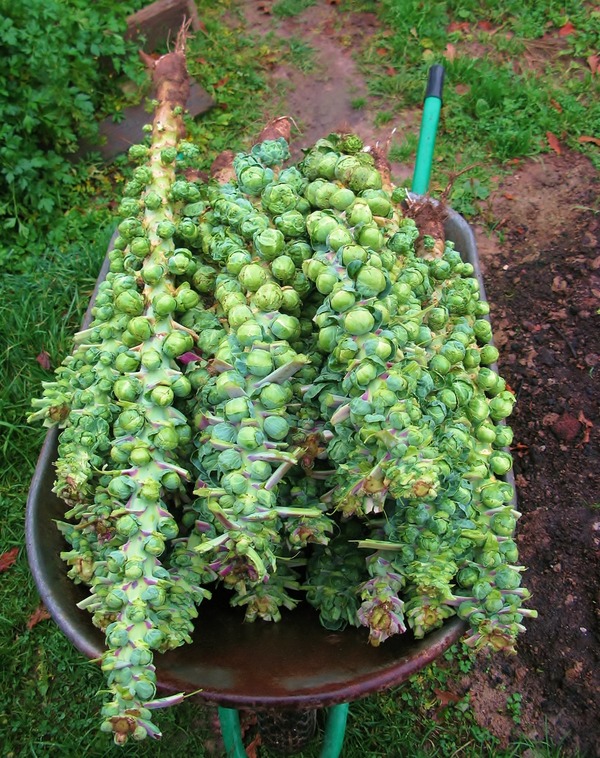
In early November, the last fruits should be picked or cut off with the stems. This way, the harvest will last longer, until February. The cut vegetables can be buried in the greenhouse soil or stored in a cellar. In this condition, the cabbage will continue to grow, thanks to the nutrients in the stems.
The harvested crop can be stored in the refrigerator for no more than two months. This period can be extended by placing the plant in the "zero zone."
Pest and disease control
Throughout its development cycle, Brussels sprouts are susceptible to various diseases and pest attacks:
- Fusarium is a disease that attacks the leaves of crops. These plant parts typically turn yellow and wilt. The biological product "Trichodermina" can help combat the disease. In severe cases, the use of chemicals is necessary.
- Viruses can be identified by looking at the vegetable leaves: yellow spots appear on them. Treating such diseases is difficult, so it's best to implement a comprehensive preventative approach. After harvesting, remove all plant debris, including tops and leaves, and avoid growing cruciferous vegetables in the area for several years.
- Powdery mildew. It can be recognized by the white coating that typically "attacks" the plant's leaves. Infected green parts of the plant should be picked off and destroyed. Covering the vegetable with plastic wrap during rainy summers can help prevent the disease.
- Clubroot is the most dangerous disease. It causes plants to dry out even under favorable conditions. Root swellings also appear. Affected soil should be removed immediately!
- Cabbage pests love to eat cabbage leaves. Therefore, after planting, cover the plant with a non-woven cloth. If the pests do attack, lift the leaves, look for the caterpillars, and then remove them by hand.
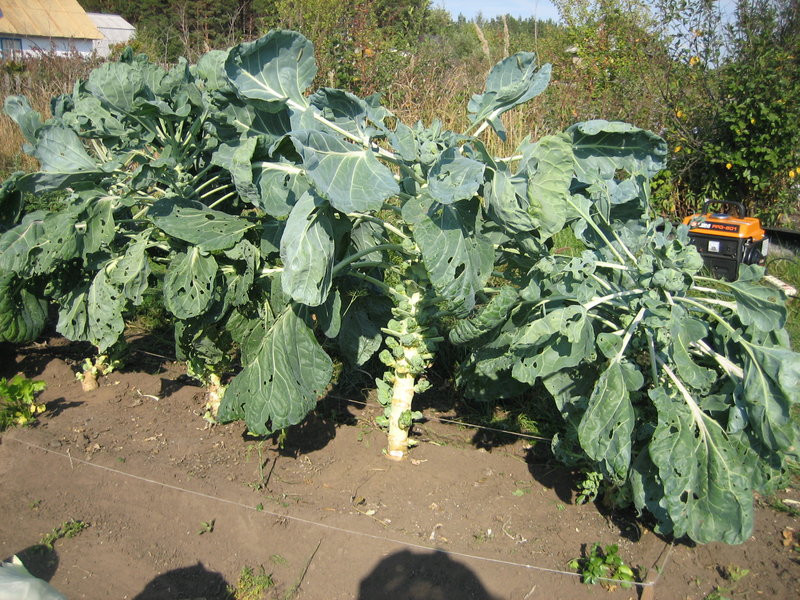
So, Brussels sprouts are a very healthy vegetable. Therefore, they are worth growing and eating. However, before doing so, it's important to learn all the specifics of growing them: when to plant, how to water, whether to pluck the leaves, and what fertilizers to use.
Video: Growing Exotic Cabbage in the Garden
The author of this video explains how to properly grow Brussels sprouts.