
An unpretentious and healthy type of cabbage called Broccoli
Content
Brief description
Broccoli was known as far back as ancient Rome. Through Byzantium, it spread throughout the world. Since then, it has been cultivated with unfailing success in virtually every country. Very similar in appearance to cauliflower, broccoli grows from 60 cm to 1 m in height and is typically grown as an annual. However, in warm climates, if left unharvested for the winter, it produces a rich harvest the following year.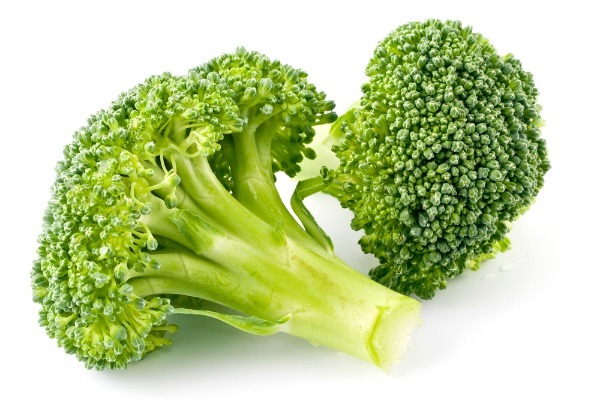
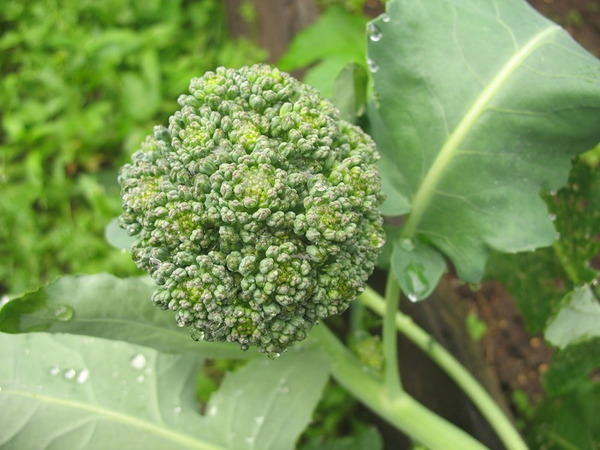
The small, dense florets gathered into a single large head are eaten, as are the stem itself (unless it's hollow or tough), and the young leaves, which are much smaller and more tender than those of cauliflower. There's also asparagus broccoli, which has many stems bearing small heads of florets. It differs from cauliflower in the color of its heads—green and purple are most common—and its remarkable ability to form new heads after the one growing on the central stem is cut off.
Since we eat the florets themselves, it's crucial to cut the head before they bloom. Broccoli flowers and fruits very quickly; if you allow even one florets to open, a small yellow flower will emerge, which will quickly fade and turn into a pod. If you allow it to bloom, the harvest can be immediately composted—as soon as even one flower blooms, the entire head loses its flavor, tenderness, and most of its nutritional value.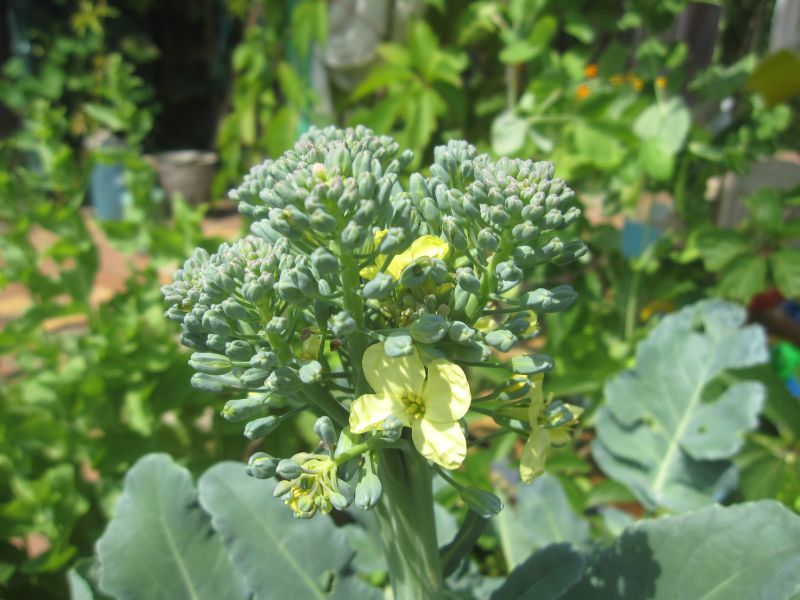
Composition and beneficial properties
They say that eating broccoli regularly will prevent atherosclerosis and keep your heart and blood vessels functioning perfectly. This is very likely true, as it contains a large amount of potassium and antioxidants, particularly selenium. Calcium, sodium, phosphorus, iron, zinc, copper, and manganese—an impressive list of elements essential for our body's normal functioning—are all found in this type of cabbage and, most importantly, are easily digestible. Broccoli contains essential amino acids, carbohydrates, and dietary fiber, but it contains almost no fat and very few calories. This explains its popularity among those watching their weight.
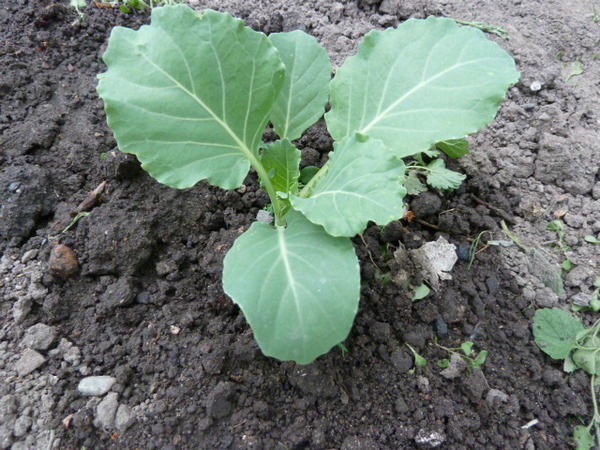
It contains an amazing multivitamin complex: just 100 grams of cabbage contains the daily requirement of vitamin C, twice as much as citrus fruits. The large amounts of pantothenic acid, riboflavin, pyridoxine, folate, and thiamine (B vitamins) make it indispensable for maintaining the nervous system and treating disorders in this area. It also contains vitamins PP, E, and K, which promote health and beauty.
Regular consumption of broccoli will protect against gastrointestinal ulcers better than any medication, make blood vessels clean and elastic, and the heart and kidneys healthy.
Thanks to the presence of sulforaphane, its consumption can help prevent cancer. If you nourish your body with this powerful vitamin and mineral complex, you'll be immune to viruses and seasonal colds. Young broccoli leaves are similar in taste and composition to kale or even spinach, while the inflorescences themselves contain more nutrients than cauliflower, its closest relative.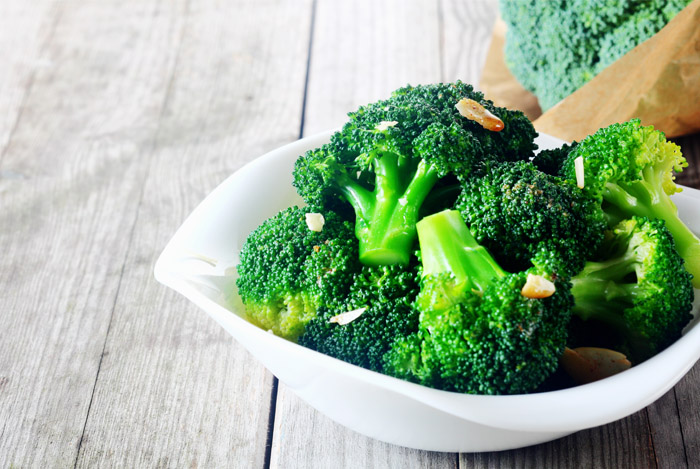
There are no contraindications for eating broccoli, but those with pancreatic problems or hyperacid gastritis should limit their consumption to avoid exacerbating the condition. It's best to discard the broth after boiling it, as it will contain purines, which are not beneficial to the body.
Video: Growing Broccoli
This video shows how to properly harvest broccoli.
Features of cultivation
Broccoli grows best at temperatures between 16 and 24 degrees Celsius (61 and 75 degrees Fahrenheit), but it can easily survive short-term frosts down to -7 degrees Celsius (13 degrees Fahrenheit) or heat waves above 30 degrees Celsius (96 degrees Fahrenheit), though it will require more frequent watering. Early varieties mature within 60 days of sprouting, while late varieties can take up to 120 days. Since it requires little maintenance, you can easily plant varieties with different ripening times in your garden and enjoy healthy cabbage from late June until autumn. The largest, later-ripening heads can be stored in a cellar for long-term storage, where they can last up to three months.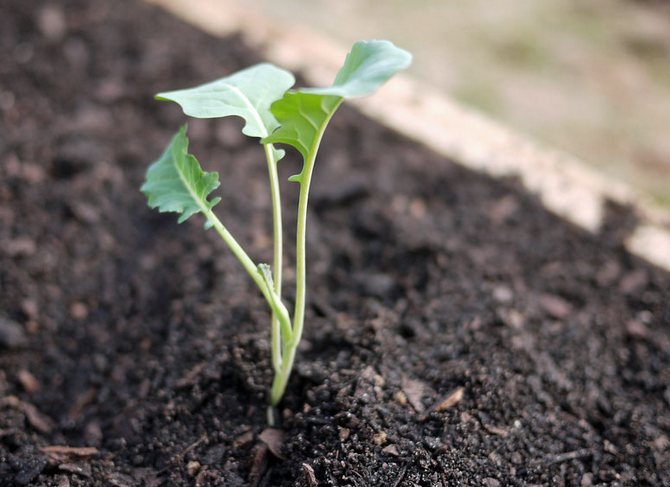
Typically grown in open ground, they can be grown in greenhouses until November. Seedlings are most often planted in open ground, but seeds can also be sown directly in the garden bed, covered with glass or non-woven material until germination, then uncovered, and cared for as usual. The seeds are first calibrated, discarding the smallest ones, and then prepared as follows: soak in hot water for 15 minutes, then in cold water for 1 minute, then soak for 5 hours in a solution of ash, potassium permanganate, or boric acid. Some gardeners prefer soaking in a solution of mineral fertilizers or preparations such as Agat-25, Albit, or El-1. Remove the seeds from the solution and dry them slightly to prevent them from sticking to your hands during sowing.
If summer arrives late and the spring is cool, it's best to grow from seedlings. Prepare the soil from three equal parts: garden soil, peat, and sand. Place two seeds in each hole, 2 cm deep, and remove the weaker seedling after a couple of true leaves appear. The same procedure applies when sowing in the garden bed. Initially, keep the seedlings at a temperature of around 20°C (68°F), even protecting them from direct sunlight. Care is quite standard: watering, picking, fertilizing, and hardening off. Pick after three weeks, simultaneously treating the roots with a solution of potassium permanganate. The first feeding is done a week after germination with a solution of mullein or urea, then two weeks later with a solution of nitroammophoska. Gradually lower the temperature to 14°C (55°F) during the day, and two weeks before planting outdoors, begin bringing the seedlings outside.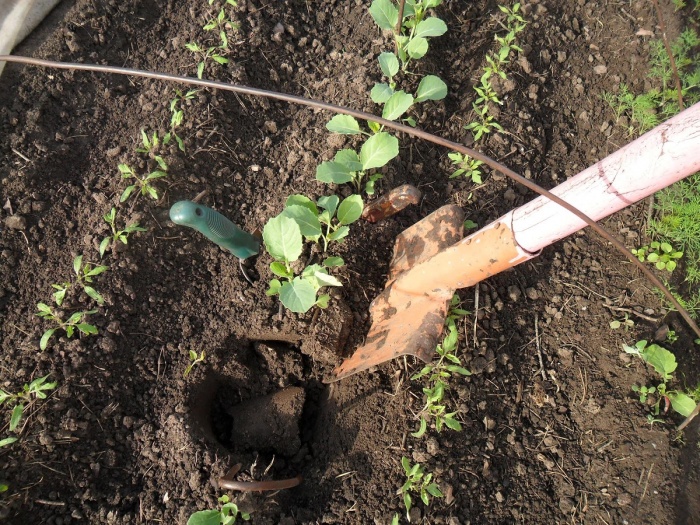
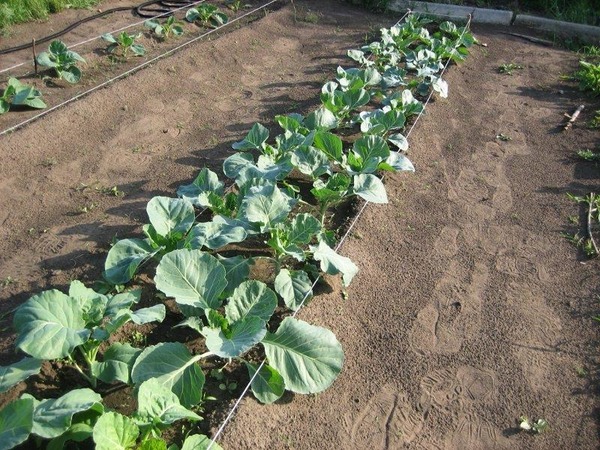
Seedlings are planted in the garden bed after six true leaves appear. Broccoli grows best in open, sunny spots after cucumbers, carrots, potatoes, onions, pumpkins, or legumes in non-acidic soil. Prepare the soil in the fall by adding compost, humus, and lime during tilling. Ash, superphosphate, and urea can be added directly to the seedling holes when planting. Plants should be planted to the middle of the stem. It's best to plant in a 40 cm to 60 cm spacing pattern, and do this in cloudy weather, as the bed needs to be very moist.
Caring for seedlings includes watering, weeding, loosening the soil, and fertilizing. This cabbage loves moisture; when growing young plants, they are usually watered every other day; if the weather is dry and sunny, they can be watered twice a day. After watering, be sure to loosen the soil to allow air to reach the roots.
Once the seedlings have taken root, they are fed with a solution of slurry or bird droppings (highly diluted). The procedure is repeated after a couple of weeks. A third feeding is performed, provided proper care is provided, when inflorescences begin to form. This time, mineral fertilizers are used: superphosphate, ammonium nitrate, and potassium sulfate, dissolved in water. If the central head is pruned in time, lateral shoots will begin to grow and form new inflorescences. To stimulate their growth, the same fertilizers are used in a lower concentration, but potassium sulfate is preferred. Nettle infusion or ash solution are commonly used in broccoli care as both a fertilizer and a disease preventative. 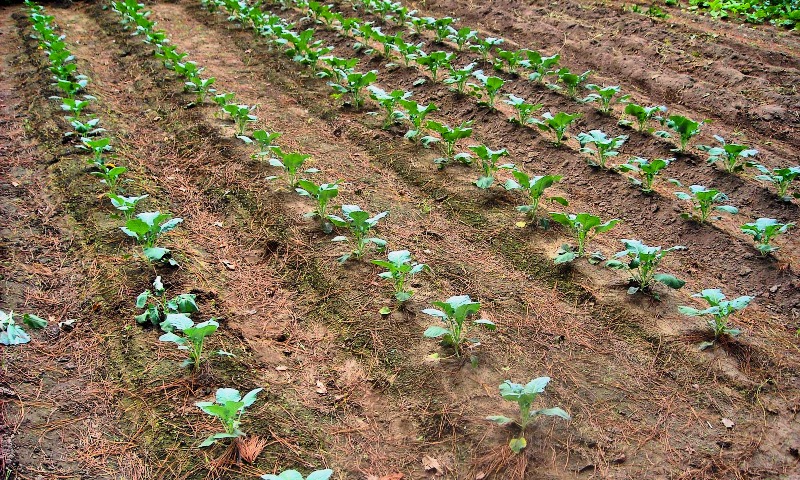
The harvest is collected early in the morning, while the plants are still vigorous and juicy. It's crucial to cut the stems with the inflorescences before any flowers bloom. A month later, additional harvests can be made from the same plants—new inflorescences will form on the side shoots. Simply maintain the same care—watering, loosening the soil, and feeding. If you grow late varieties and harvest in the fall, you can store them in the cellar for another three months; harvested in the summer should be eaten immediately or frozen.
Diseases and pests
Growing broccoli can be difficult without pests, but proper care, sanitation, and preventative measures will help protect plants from diseases and repel pests. If you don't grow cruciferous vegetables nearby, common enemies of cabbage may not reach your broccoli. Slugs, snails, cruciferous flea beetles, cutworms, aphids, cabbage whites, and cabbage flies all enjoy feeding on tender, juicy cabbage. Garlic, onions, tomatoes, calendula, and dill can repel most pests, so it's a good idea to plant them nearby. 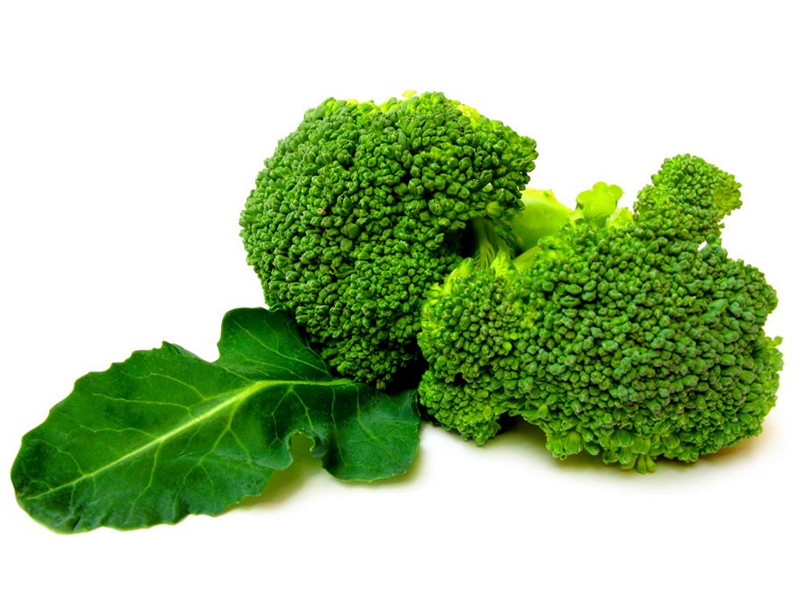
There are simple infusions and solutions, well-known to experienced gardeners, that are excellent for protecting plantings. Ash solutions, or tobacco dust infusions with hot pepper and liquid soap, are used to treat not only the plants but also the surrounding soil. You can also make an infusion of tomato leaves with crushed garlic and liquid soap. The ubiquitous caterpillars should be collected by hand; some gardeners use thin lutrasil to cover the plants.
If proper agricultural practices aren't followed, cabbage can be susceptible to diseases such as powdery mildew, downy mildew, clubroot, blackleg, and early blight. It's important to remember that the spores that spread fungal diseases are present in the soil, overwintering among the roots of perennial grasses. Therefore, it's crucial to monitor the soil and eliminate weeds. While there are special preparations that can kill fungi, it's better to use safer folk remedies if you detect an infestation early. Sow thistle infusion, horsetail decoction, and a mixture of liquid soap and copper sulfate solution—these sprays won't harm the cabbage but will combat the diseases.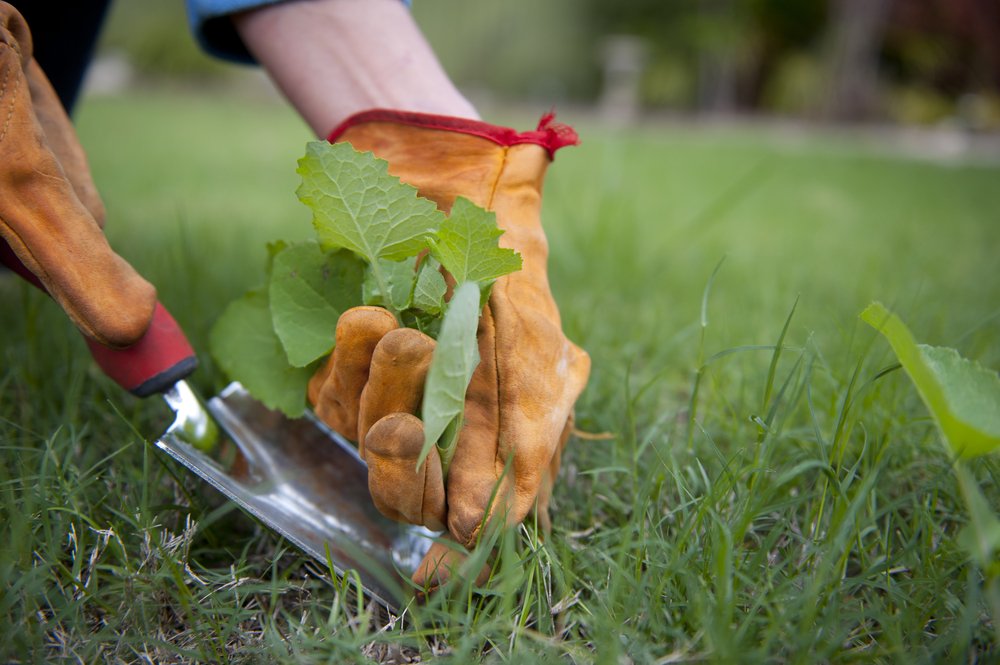
Video: Growing Broccoli
This video reveals the peculiarities of growing the Rumba broccoli hybrid.