
15 Common Cabbage Diseases and Effective Treatments
Content
Causes of vegetable contamination
Various factors can hinder crop development, the main ones being unfavorable environmental conditions and soil quality. Looking at these global causes in more detail, the list is as follows:
- lack or excess of fertilizers;
- excessive amounts of nitrogen in the soil;
- prolonged increase in air humidity (rain, morning dew);
- a combination of low temperatures and high humidity;
- dry soil, insufficient watering;
- failure to observe crop rotation;
- Violation of agricultural technology and crop care rules.
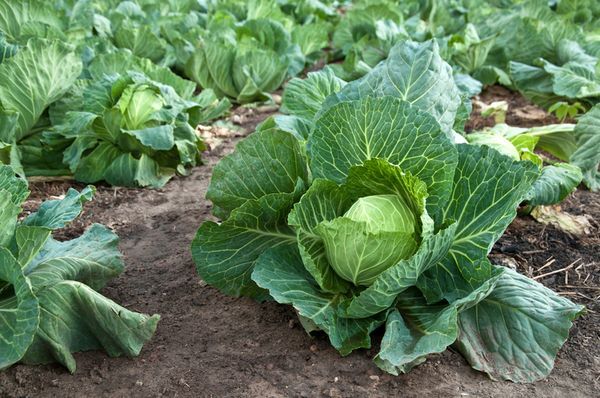
The reason for spoilage of the finished product is non-compliance with the temperature and humidity conditions in the room where the harvest is stored.
Video: "Cabbage Diseases and Pests"
In this video, an expert will explain which diseases and pests can affect cabbage.
Viral and bacterial diseases of cabbage
Cabbage is primarily damaged by fungi, but there are also several dangerous diseases caused by bacteria and viruses:
Mosaic
An incurable viral disease that affects not only white cabbage but also cauliflower, Chinese cabbage, and other varieties. Its symptoms include small black spots on the surface of the leaves. Initially, the infection resembles scab; later, the leaves begin to lighten, wrinkle, and the head of cabbage stops forming. Such a crop cannot be saved; it is simply destroyed. Prevention involves controlling weeds and aphids, which are the main vectors of the virus.
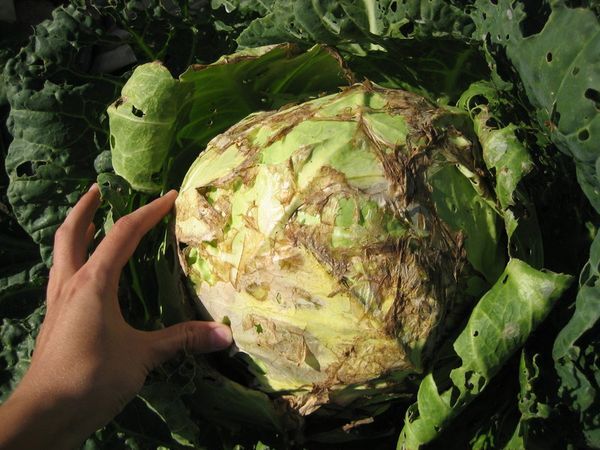
Mucous bacteriosis
The disease most often develops on finished produce due to improper storage and transportation, but it can also be transmitted through contaminated soil or insects. There are two possible paths: in the first, the outer leaves rot, soften, and die, followed by gradual decay of the entire vegetable; in the second, the head of cabbage rots from the inside out, starting from the stalk. The cause is the same: high humidity and temperature. Bacteria persist in plant debris, so the primary preventative measures are weed control and maintaining proper storage temperatures.
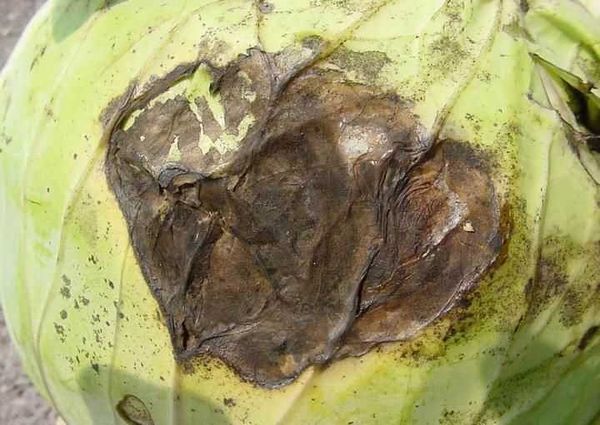
Vascular bacteriosis
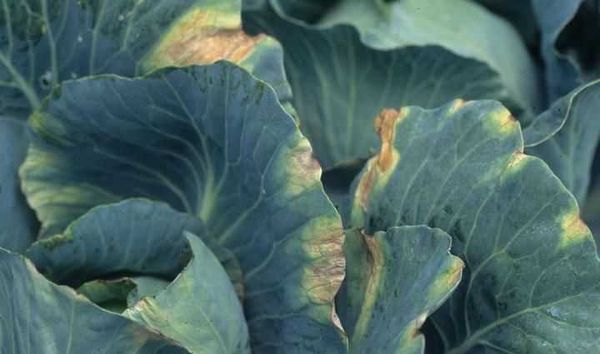
A dangerous disease that can occur at any stage of crop development. Initially, vascular bacteriosis manifests itself as yellowing and curling of the leaves. Later, the veins turn black, a vascular network forms on the leaf, and then the leaf dies. The head of cabbage stops developing and becomes deformed. The disease develops during warm and humid weather, sometimes appearing during storage. Spraying with a 0.1% solution of "Binoram" and 0.2% "Fitoflavin" helps save cabbage. Seed treatment and crop rotation are recommended as a preventative measure.
Fungal diseases
Let's look at the most dangerous fungal diseases of crops:
Alternaria, or black spot
A common disease affecting all types of cabbage, including Chinese cabbage. It manifests as black spots and necrosis, extending from the upper leaves into the head. The fungus is activated by high temperatures and excessive moisture, can be found in seeds, and is spread by insects and wind. To prevent infection, disinfect seeds, remove excess vegetation, and practice crop rotation.
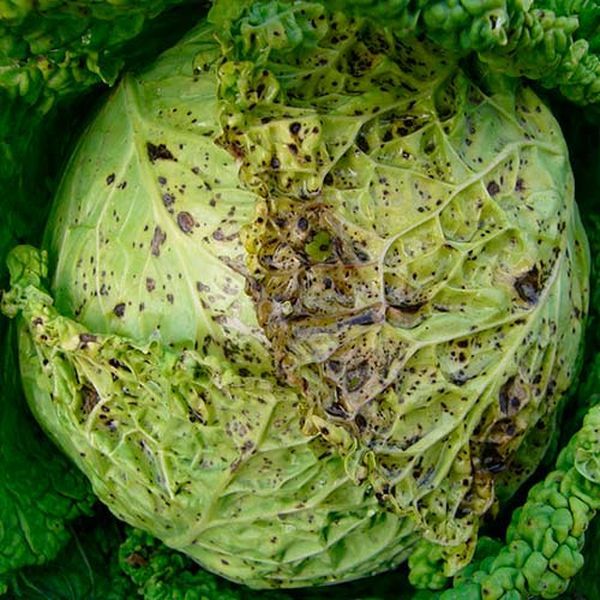
White rot
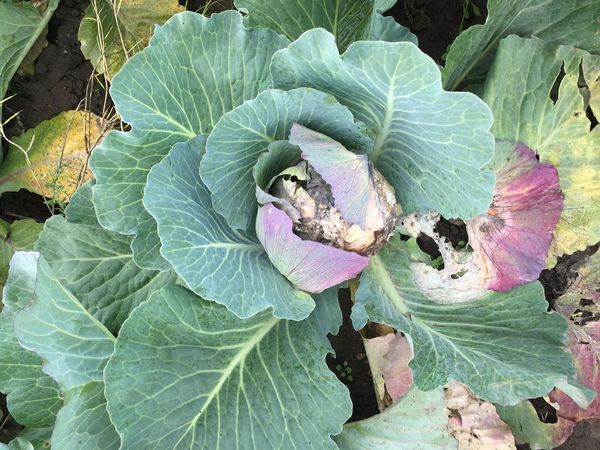
The disease develops in high humidity and low temperatures. It mainly occurs at the end of the growing season or in storage. The first symptoms are a light-colored slime on the outer leaves. If the affected leaves are not removed immediately, the fungus penetrates deeper and rots the entire head, infecting others during storage. Preventive measures include disinfecting storage areas, maintaining cool temperatures, and choosing rot-resistant varieties.
White rust
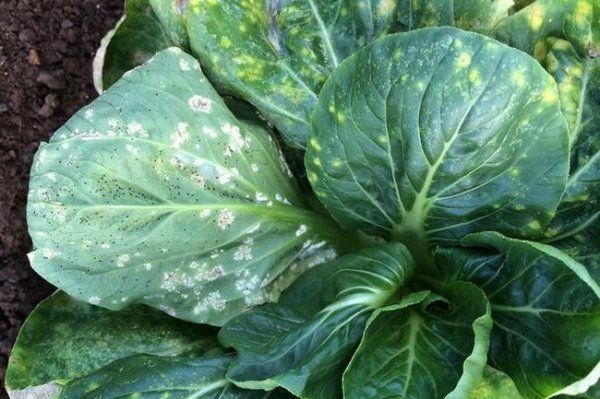
The disease isn't particularly dangerous, but it significantly spoils the appearance of the cabbage head. Pathogenic fungi accumulate under the tissues, and when they mature, a light-colored mass emerges to the surface, causing the leaves to thicken and curl at the edges. The cause is the same: high humidity and cold. The pathogen survives in weeds, so practice crop rotation and weed the bed regularly. At the initial stage, treating the plants with Radomil-Gold helps.
Kila
A dangerous disease that causes swellings and growths in the roots. These growths prevent the roots from absorbing moisture, causing the above-ground portion to become depleted and die. The primary source of infection is soil. Fungal spores are carried by worms and insects and actively reproduce in acidic soil with high humidity (up to 90%). There is no cure for clubroot; affected cabbage plants are destroyed and the garden bed disinfected. Preventive measures include liming the soil, treating with copper-containing preparations, and selecting resistant varieties.
-
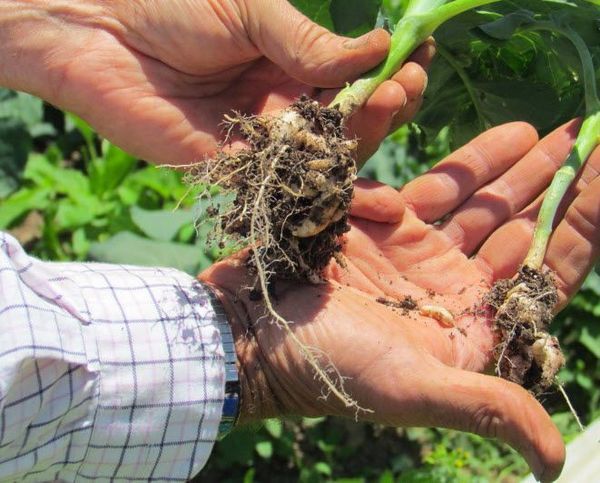
- Clubroot causes tumors and growths in the root area
-
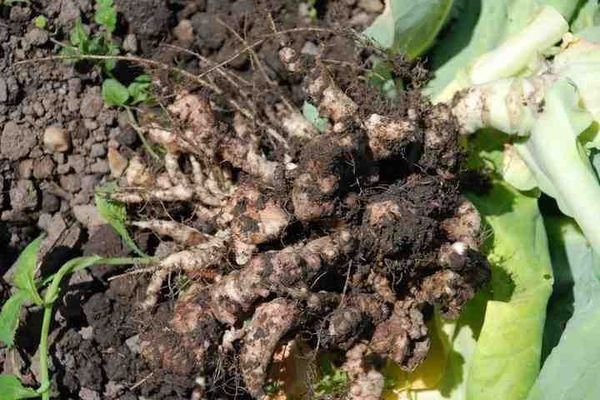
- There is no cure for clubroot, and such cabbage is destroyed.
-
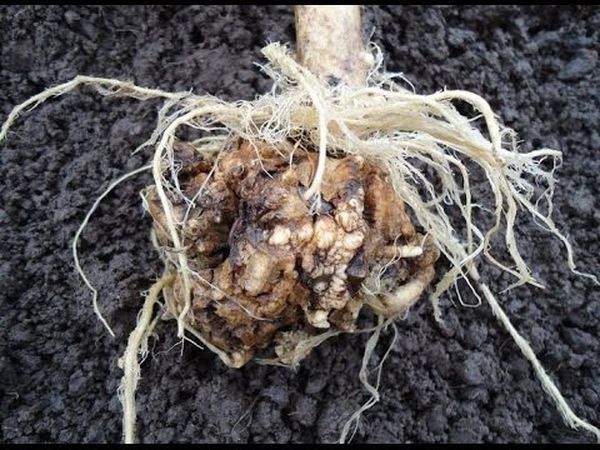
- The main source of infection is soil
Downy mildew, or peronosporosis
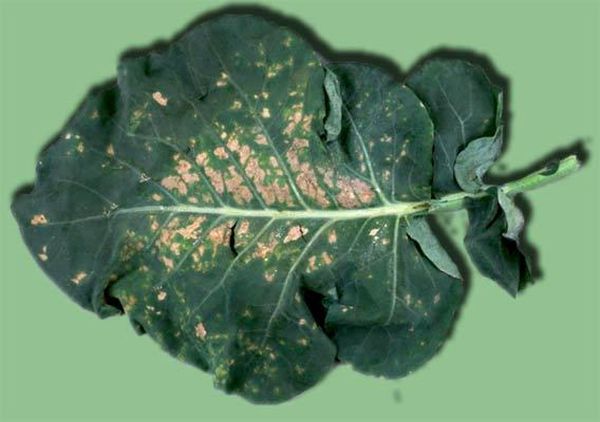
The disease most often develops in greenhouses, where it's warm and humid. It manifests as light spots on the surface of the leaf and a gray, rotting coating on the outer surface. The fungus survives in seeds and plant debris, so prevention involves seed treatment and soil disinfection. Fitosporin is an effective treatment.
Powdery mildew
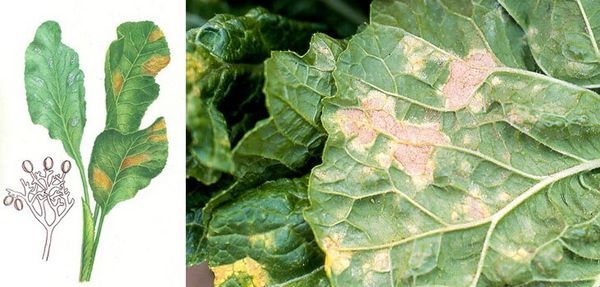
This disease is similar in appearance to the previous one, but it is caused by a different type of fungus. The symptoms are similar: white spots on the leaves, which increase in size as the mycelium matures and become covered with a grayish powdery coating. Fungal activity increases with temperature fluctuations. Preventive measures include clearing away any vegetation. Treatment involves treating the bed with the same Fitosporin or sulfur-containing fungicides.
Rhizoctonia
A dangerous disease, the symptoms of which are already visible in seedlings: the root collar of the plants becomes thinner and darker. Some of these seedlings survive, but as they grow, leaves rot and fall off, and ulcers form on the petioles. The fungus persists in the soil, so it must be disinfected and cleared of vegetation. When symptoms appear, spraying the seedlings with copper-containing preparations (1% Bordeaux mixture, 0.2% copper oxychloride) is recommended.
Gray mold
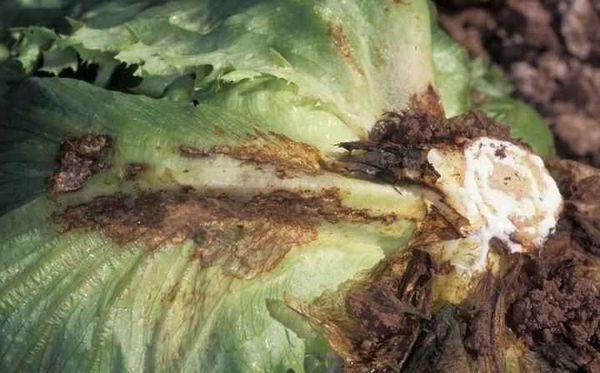
It also frequently attacks cabbage during storage. The fungus is activated by high humidity, appearing as a grayish, fluffy coating in the form of spots on the leaves. These leaves should be removed immediately, as the spores are transmitted very quickly. As a preventative measure, it is recommended to limit watering before harvesting and disinfect storage areas.
Dry rot, or phomosis
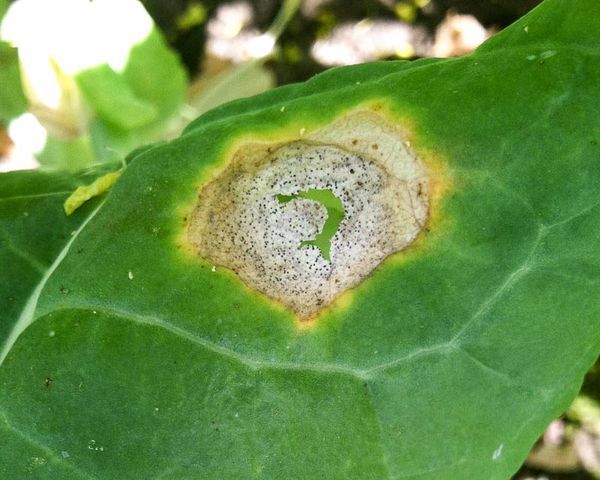
This type of rot manifests itself as dry, light-colored spots with black inclusions within. The underside of the leaf also takes on a bluish tint. Spraying infected plants with Fitosporin is recommended for treatment, and seed treatment with TMTD is recommended for prevention.
Blackleg
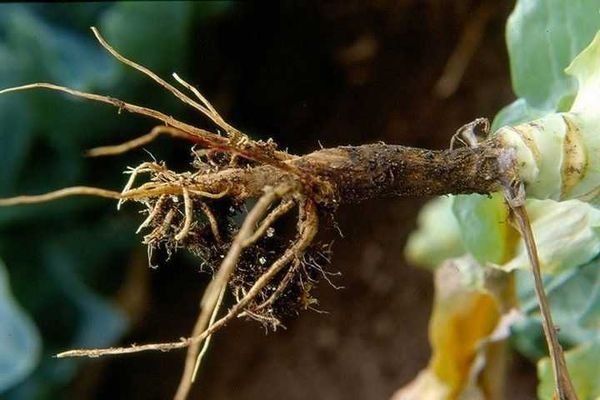
Signs of this disease appear in seedlings during cotyledon formation. The lower part of the stem thins, darkens, and rots. The infection quickly spreads to the roots, disrupting the plant's nutrition and resulting in death. The parasitic fungus lives in the soil, where it enters with plant debris, so weeding the area is the primary preventative measure. Before planting, it is recommended to disinfect the soil with a 1% solution of potassium permanganate or Fundazol.
Late blight
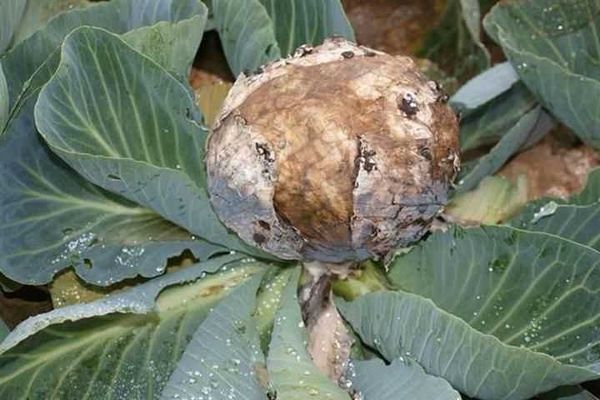
With late blight, the fungus attacks the cabbage head, starting from the stem. The covering leaves turn brown, and a fluffy mycelial coating appears between them, penetrating deeper. There is currently no effective protection against late blight, so crop damage is approximately 50%. Cabbage can be infected by anything: soil, pests, tools, other plants, especially bulbous plants. Disinfection of the soil and tools, and crop rotation are recommended as preventative measures.
Advice: Never harvest cabbage without allowing it to dry from rain or dew. This will increase the risk of late blight.
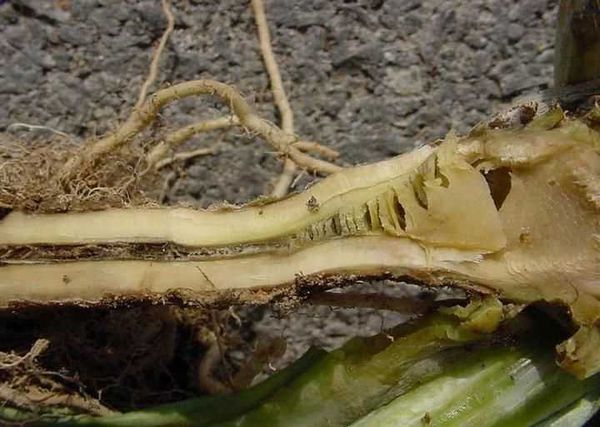
Fusarium wilt, or tracheomycosis
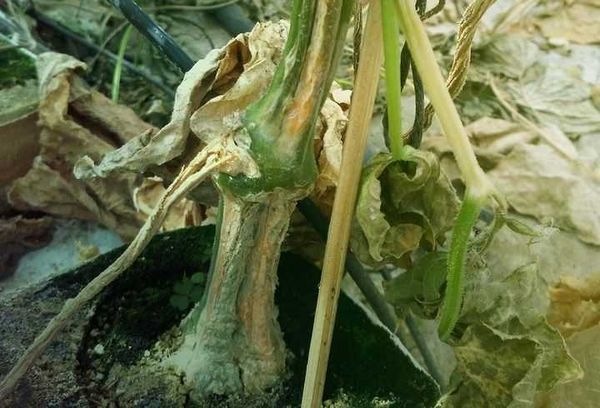
The main reason cabbage wilts is excessively hot and dry weather at the beginning of the growing season. These conditions prevent the seedlings from establishing themselves, and the leaves lose their turgor, become covered in dry spots, and then fall off. The fungus that causes this disease lives in the soil for several years, so the location of the bed should be rotated annually. It is also recommended to disinfect the soil with copper sulfate and spray the plants with the biological preparations "Agat-25" and "Skor."
Effective prevention methods
Prevention of cabbage diseases includes the following complex of procedures:
- adherence to crop rotation - do not plant cabbage in the same bed for 2 years in a row, and do not return it to the previous place earlier than 3 years later;
- planting varieties and hybrids resistant to certain diseases;
- timely removal of weeds;
- removal of plant debris at the end of the season;
- protection of plantings from pests;
- disinfection of soil and seeds before sowing;
- Preventive treatments at early stages.
Tip: To avoid having to treat ripening cabbage with pesticides, take care of protection in advance. When planting seedlings, add 50 grams of ash to the holes – this fertilizer will protect the roots from microbes and accelerate plant growth.
Cabbage is a succulent vegetable. Its tissues contain a lot of water, and moisture, as we know, is an ideal breeding ground for bacteria and microbes. But by understanding the symptoms of diseases, you can successfully combat them and reap a bountiful harvest.