
Peculiarities of growing white cabbage
Content
Biological features
The plant is biennial. During its first year, it produces fruit vigorously, and in the second, it produces seed-bearing stalks. The cabbage can reach 15 kilograms in weight. However, white cabbage most often grows to a medium-sized size—5-7 kilograms. The head can come in a variety of shapes.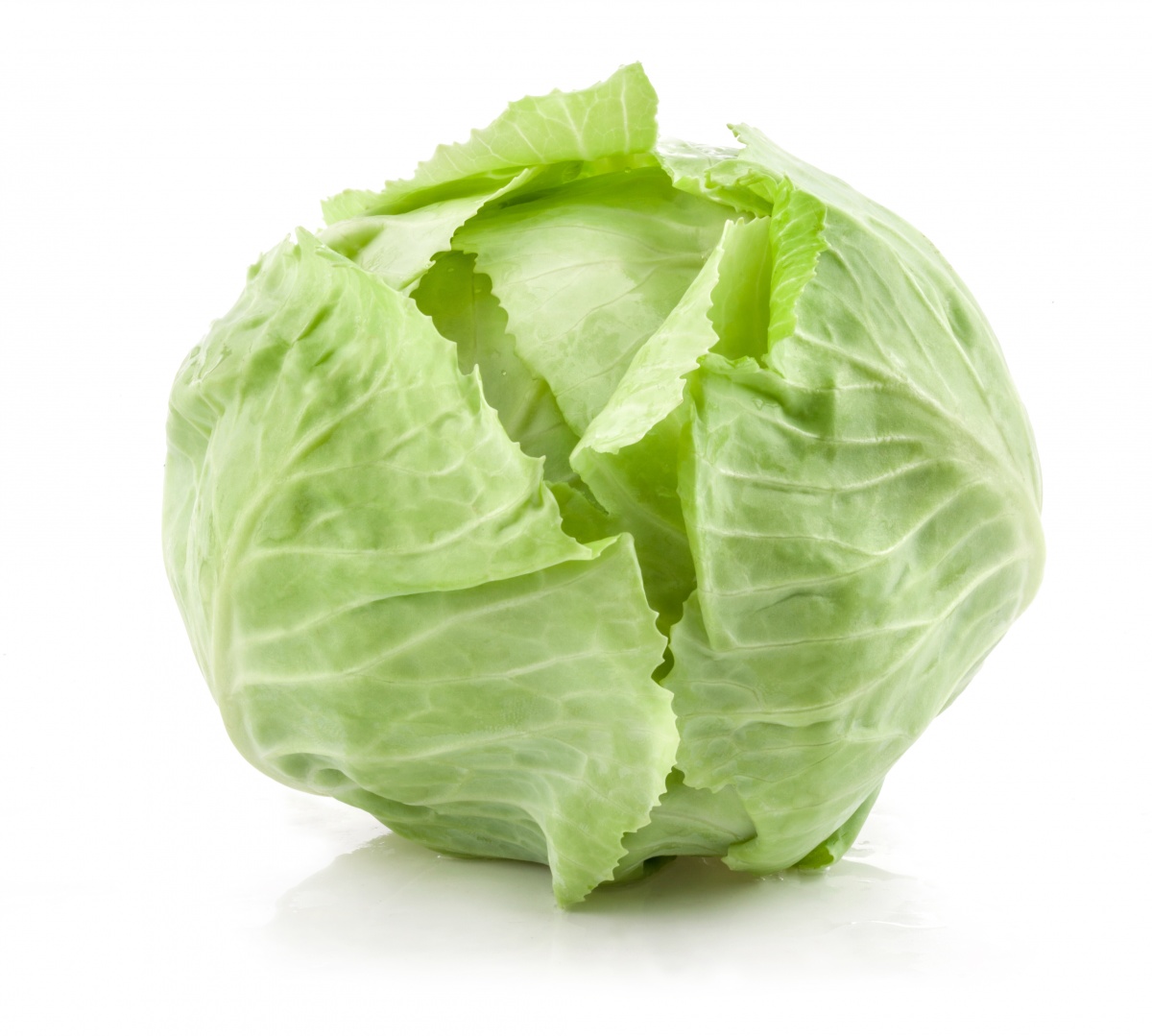
The cultivation of this vegetable began about 25 centuries ago. The first harvests were collected as early as the 4th century BC. Today, cabbage remains a popular and sought-after vegetable on every table.
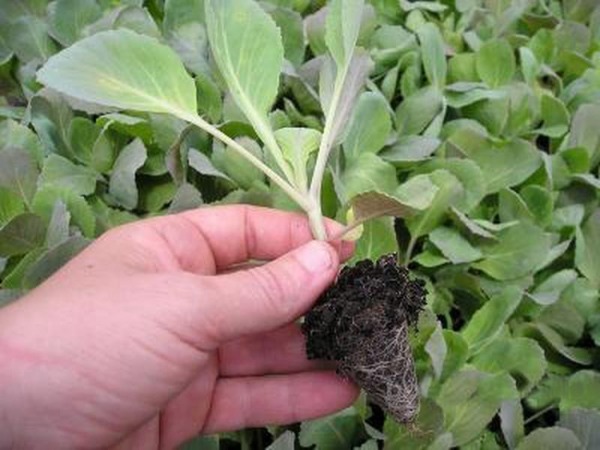
The crop is typically grown from seedlings. For this, the vegetable seeds are planted in a container with soil on a windowsill or in a greenhouse. Germination occurs within a couple of days at temperatures above 18°C.
To ensure successful cabbage growing, it is important to consider a number of factors:
- Correct selection of the planting area;
- Carefully prepared - loosened and fertilized - soil for planting crops;
- Planting young shoots in accordance with the planting pattern and distance between individuals;
- Careful, attentive and comprehensive care;
- Systematic and sufficient watering;
- Abundant feeding.
Young seedlings are frost-resistant, able to withstand temperatures as low as -4°C. Mature plants can withstand temperatures as low as -8°C.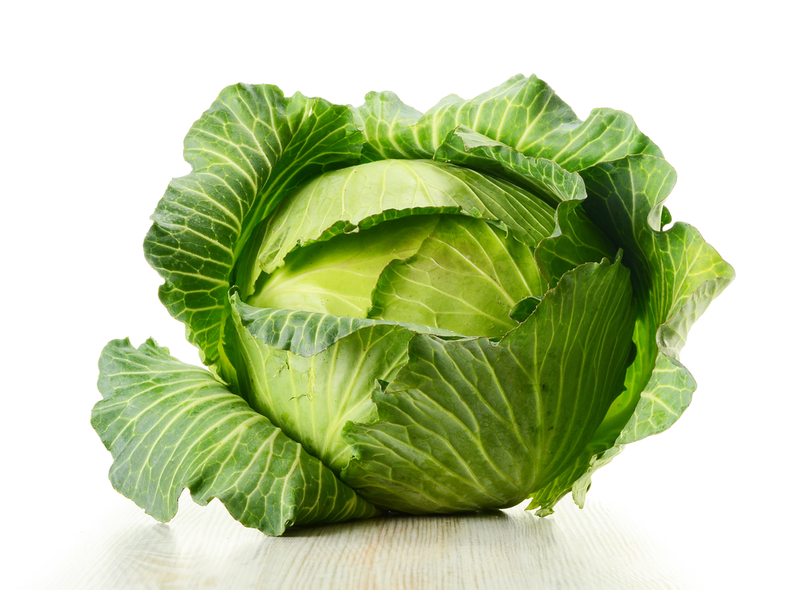
However, the necessary conditions for growing the crop in open ground or a greenhouse are light, water (especially important during the head formation stage), and soil rich in beneficial chemical elements. Therefore, the vegetable thrives in bright, well-fertilized areas.
It's best to plant the crops in open ground where turnips, radishes, horseradish, and other Brassicaceae plants were previously grown. The crop can be grown in the same location for no more than three years.
Video "Growing Cabbage"
This video will tell you how to properly plant and grow cabbage.
Site preparation
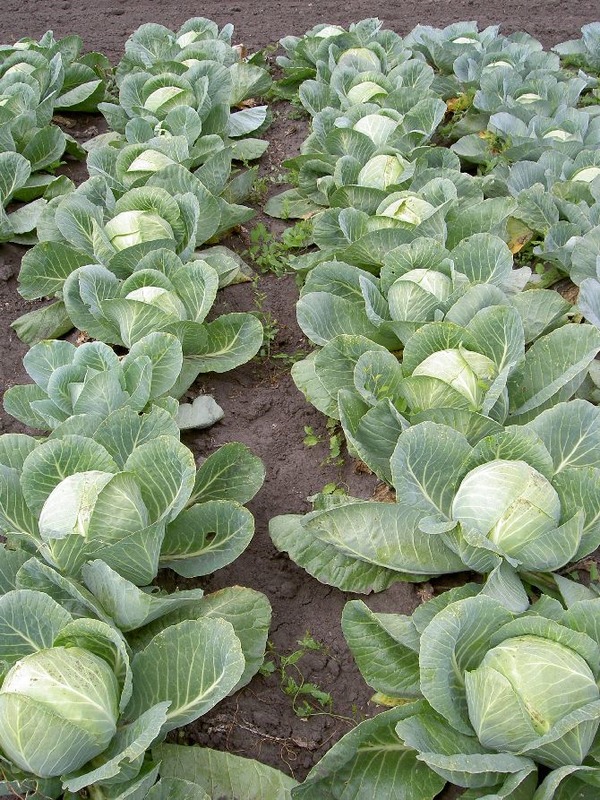
Growing this crop will only be successful if the soil for planting is carefully selected. The vegetable thrives in loamy, open soil that is rich in humus and retains water well.
It's best to begin preparing the soil in the fall. First, loosen the soil, and as soon as weeds appear, dig it up and fertilize it with chalk and dolomite flour at a rate of one cup per unit area.
In spring, the soil dries out and is then loosened. Before planting, the soil should be dug over and fertilized with humus (a bucket per unit area), superphosphate (a couple of tablespoons), ash (a couple of cups), and urea (half a teaspoon).
Landing
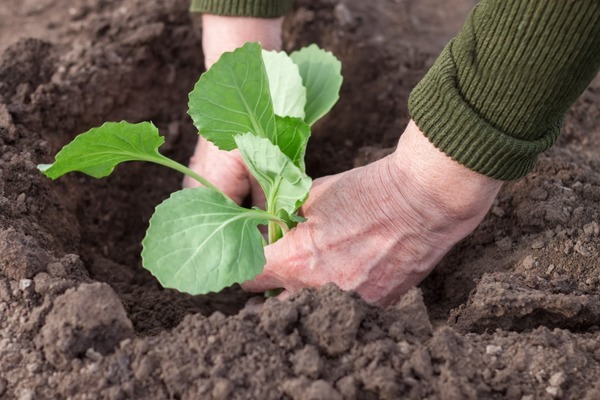
Before planting seedlings for outdoor cultivation, they need to be sorted. The planting technique involves burying the seedlings up to the first full leaf, pressing the soil down. This procedure is most effective on a cloudy day or at night. Under these conditions, the seedlings will "take root" much faster. To aid the process, you can shade the seedlings and mist them during the first week of their "new life."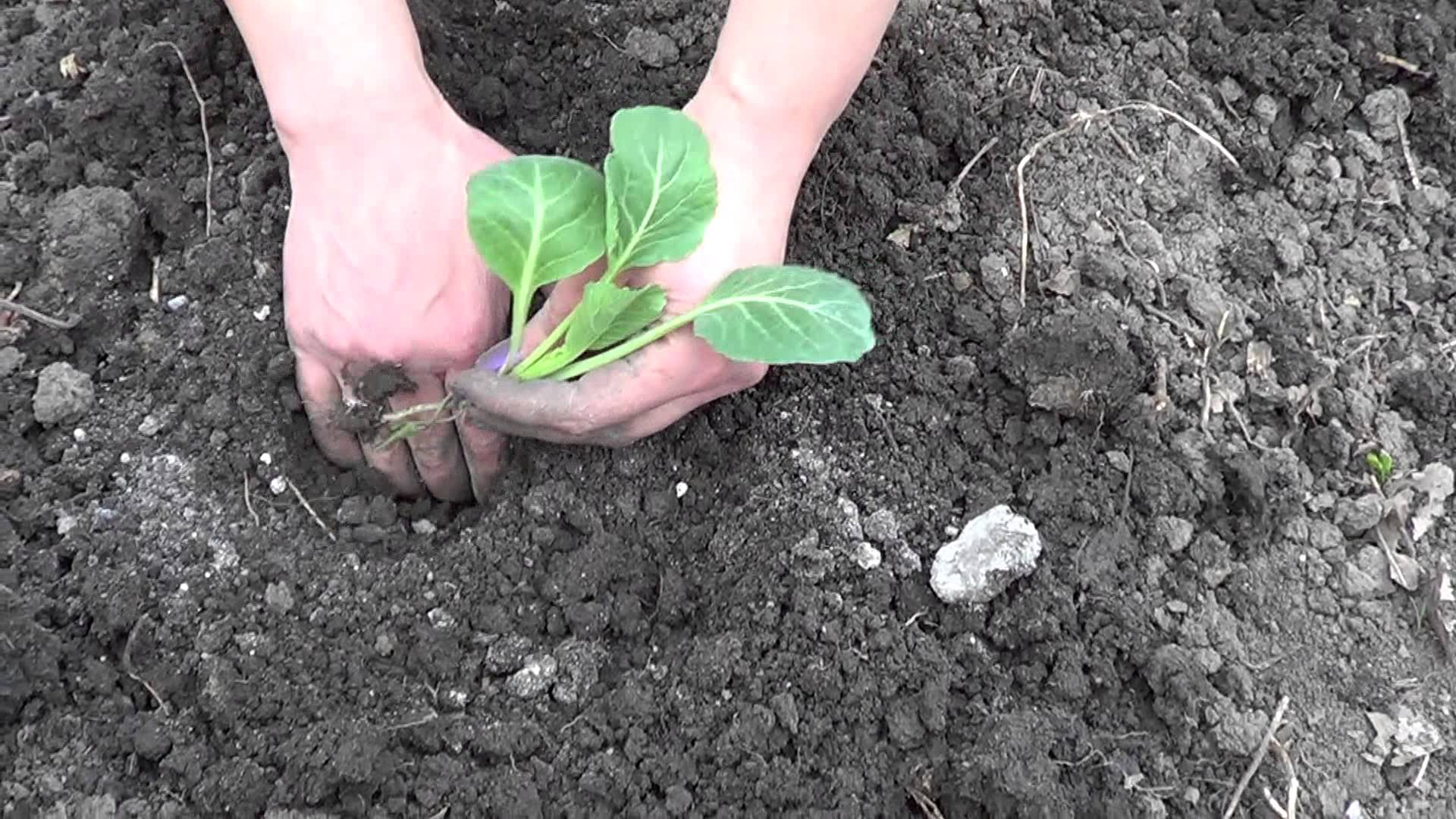
White cabbage comes in many varieties. Each variety has its own planting time. Early varieties can be grown outdoors between April 30 and May 10. Space plants at least 25 centimeters apart, and sow seeds 45 centimeters apart. Mid-season varieties should be transplanted in mid-May, keeping a distance of 0.5 meters. Late varieties are planted from May 30 to June 10, spaced 60 centimeters apart.
Care Features
At different stages of its development in open ground, cabbage requires varying degrees of moisture. At the beginning of the plant's life cycle, the soil is watered to a depth of 20 centimeters with 8 liters of water per unit area. Subsequently, the soil should be watered to a depth of 30 centimeters with 10 to 12 liters of liquid.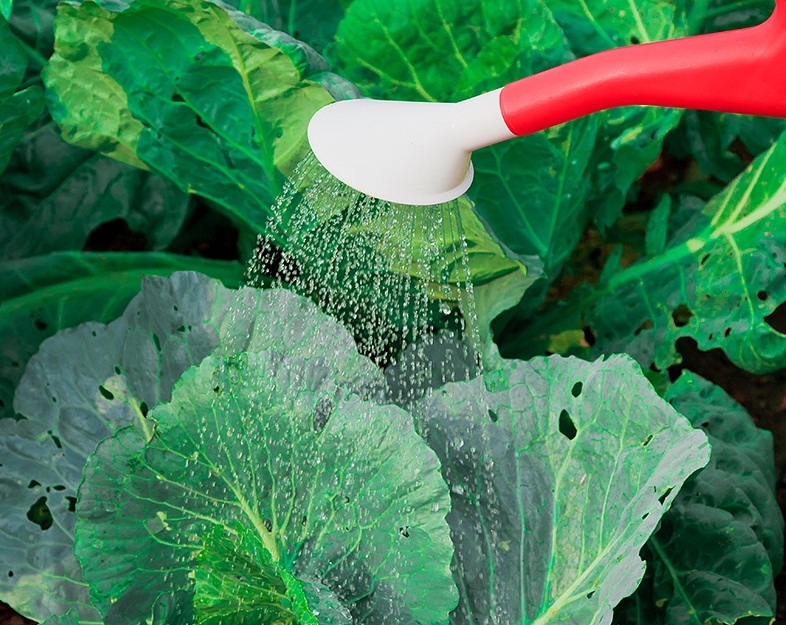
Infrequent, large-volume watering will stimulate vigorous root growth, but the yield will be very small. However, regular watering will encourage roots to settle in the upper soil layers. Under these conditions, a bountiful harvest is highly likely.
Early vegetable varieties require more moisture in early summer, while late varieties require more moisture in late summer. A lack of moisture during the period when the leaf rosette is forming negatively impacts the size of the heads. It's best to water in the morning or evening with warm water (at least 18°C). After moistening, the soil should be loosened.
During the growing season, cabbage should be hilled at least twice. The first time is after three weeks of growing in open ground, and the second time is two weeks later. This promotes active root growth, which in turn promotes the growth of the head.
Popular fertilizers
Ensuring the soil is rich in nutrients and chemical elements is another essential component of successful cabbage cultivation. Therefore, it should be fertilized at least four times during the vegetable's development. Before fertilizing, the plant should be watered generously to prevent root burn. After fertilizing, rinse the vegetable with clean water to remove any fertilizer residue from the leaves.
The plants are first fed 2-3 weeks after they begin growing outdoors. Dissolve half a liter of mullein in a bucket of water. Use at least half a liter of the prepared solution per plant.
The second fertilization should be done two weeks after the first, using the same fertilizer. This is especially important for early and late cabbage varieties.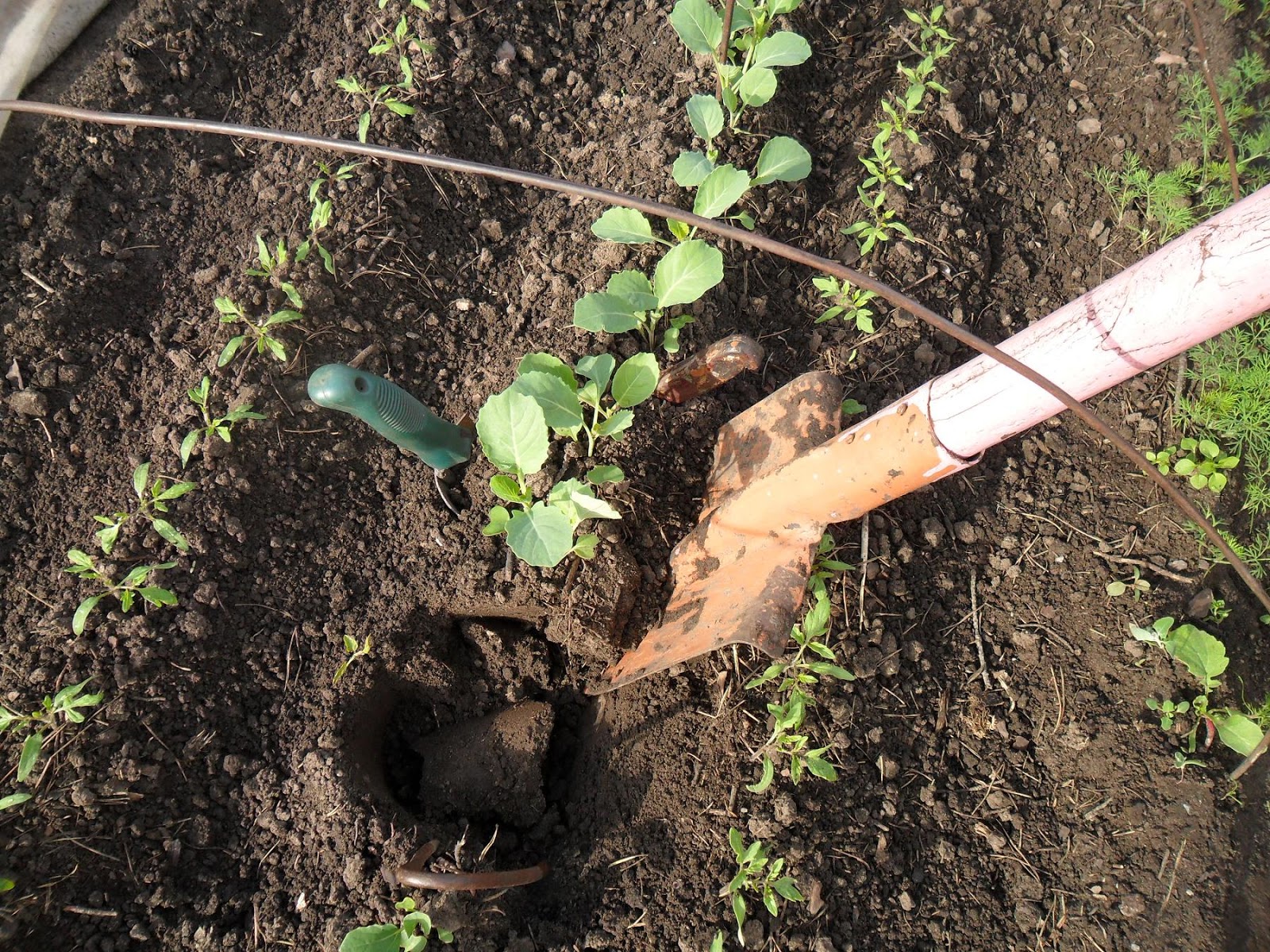
The next fertilization stimulates head growth. It should only be applied to mid-season and late-season varieties, one week after the second feeding. To do this, dilute half a liter of compost and 15 grams of potassium phosphate in a bucket of water. Use one and a half liters of the solution per plant.
To obtain a bountiful harvest, two fertilizing applications are essential. The first consists of 80 kilograms of ammonium nitrate or 50 kilograms of urea, 100 kilograms of superphosphate, and 50 to 100 kilograms of potassium salt per hectare. This application is usually carried out after two to three weeks of outdoor cultivation. This procedure positively influences the growth of the leaf rosette, the basis of the harvest.
The second fertilization procedure involves applying 150 kilograms of ammonium nitrate and 150 kilograms of potassium salt per hectare. This application is carried out at the initial stage of head formation.
After fertilizing, plants need watering. The moisture will help the fertilizer dissolve and be absorbed. It's even more effective to water and fertilize simultaneously. If irrigating via sprinkler irrigation, the solution concentration should be 1.5 percent.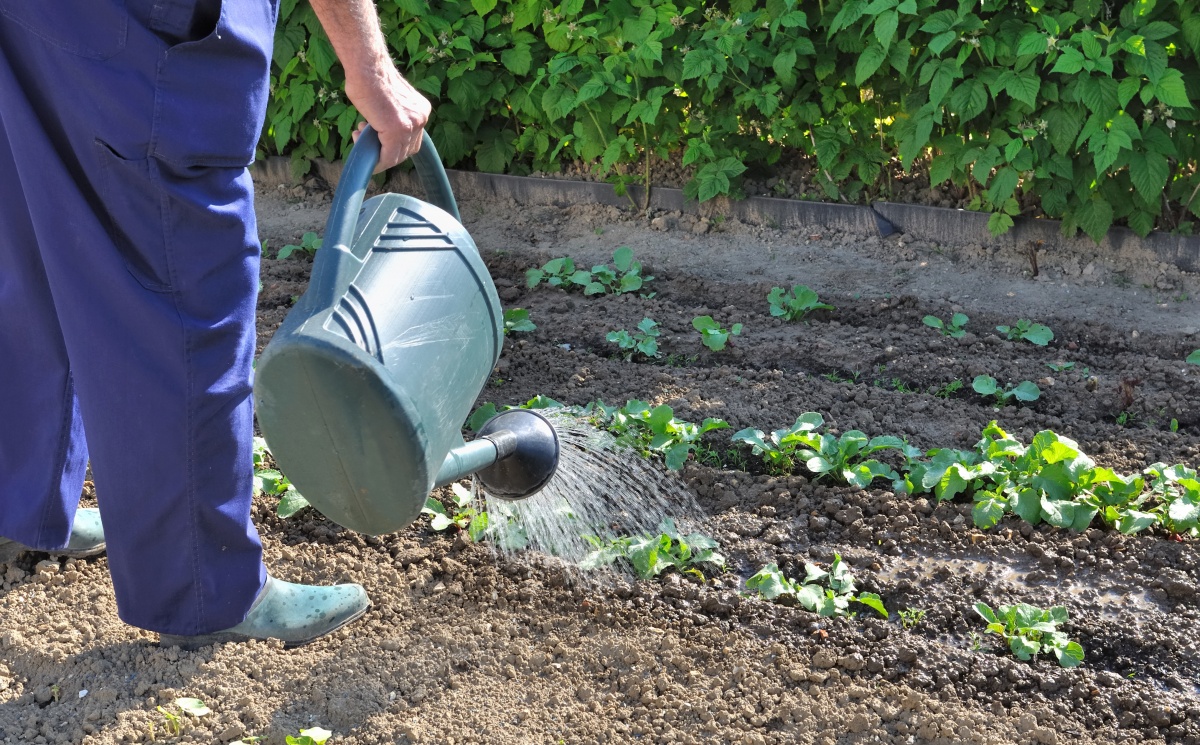
So, growing white cabbage is quite a laborious task. However, the specifics of caring for this vegetable are not complicated. It is usually grown outdoors. Seedlings can be sown in a greenhouse. However, much depends on the specific variety of cabbage—early, mid-season, or late. Growing large heads of cabbage and harvesting a bountiful harvest is easy with the right knowledge. Therefore, before planting this vegetable, it's worth learning the specifics of its cultivation.
Video: How to Grow Cabbage
The video shows all the intricacies of planting and growing white cabbage.