
The best winter pear varieties with different ripening periods
Early winter
Early winter pear varieties bear fruit in early to mid-autumn. The harvest lasts until New Year's Eve, on average. Like other varieties, the harvested fruit needs to sit for a while after picking to develop flavor and sweetness; otherwise, they can become too tart and tough. These are often winter-hardy pear varieties, suitable for northern regions.
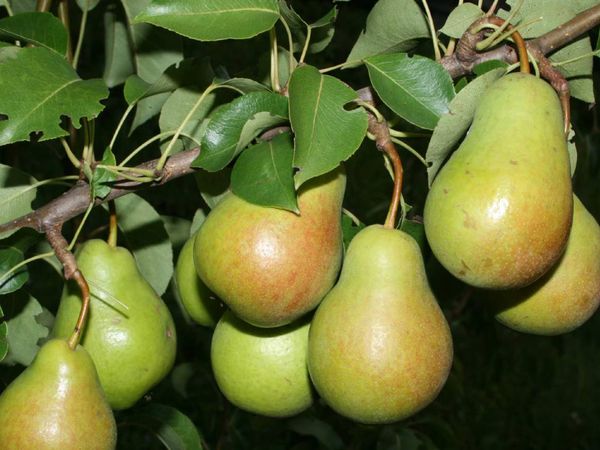
Chizhovskaya. This variety was bred at the Moscow Agricultural Academy. Fruits weigh up to 140 g, with medium-juicy, semi-oily flesh. The flavor is refreshing, sweet and sour. At 0°C, the harvest can be stored for 2 to 4 months. The variety is resistant to scab, diseases, and adverse conditions.
Curé. A tall, spreading tree with a dense crown. Fruit often grows in clusters, averaging 160–190 g, but some weigh as much as 250 g. Harvesting begins in late September. At this time, the fruits are light green; as they ripen (after 15–20 days), they acquire a lemon hue and become more flavorful. They can be stored for up to two months. A very productive variety, at peak fruiting, the tree can yield up to 300 kg per year. It requires warm summers, but tolerates frosts well in winter. It tolerates drought well.
The Etude pear yields in late October – early November. Large fruits weighing up to 250 grams are gray-green at harvest, turning gray-yellow with orange hues when ripe. They are very juicy and have a pleasant aroma reminiscent of roses. This pear is frost-hardy and highly resistant to diseases and pests.
The Winter Glazkova variety also exhibits excellent frost resistance. Fruits weigh up to 300 g and can be stored until the New Year.
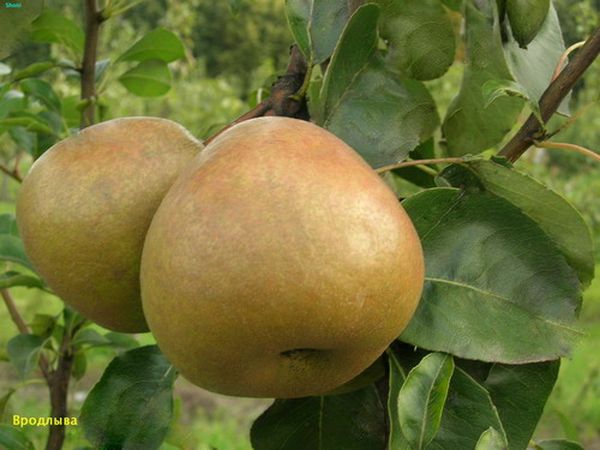
November. Harvesting occurs in late September; the fruit keeps well until the New Year. The fruits are small, weighing 64–74 g. They are juicy, sweet and sour, and have a pleasant aroma. They can be frozen; after defrosting, they retain their flavor for 2–3 days. They hold well on the branches and do not fall over even in strong winds. The variety is resistant to scab and fungal infections.
November Winter (Ksenia). The variety description deserves special attention. This is a columnar, very compact variety, with a crown height of only 1.5–2 m. A key characteristic of the Ksenia pear is its delicious fruit, considered by many to be flawless: juicy, tender, and slightly oily flesh has a sweet-and-sour, refreshing flavor. They average 190–360 g in weight, but some can reach 700 g. They are picked in the first half of October and ripen in early December, but their flavor is at its best during the New Year holidays.
At room temperature, they can be stored until January. Cool temperatures allow them to be stored even longer—until April. They are easy to transport. The variety is resistant to fire blight and scab. Thanks to its excellent taste, it is often included in ratings of the best early winter pears. This columnar variety is well suited for small plots.
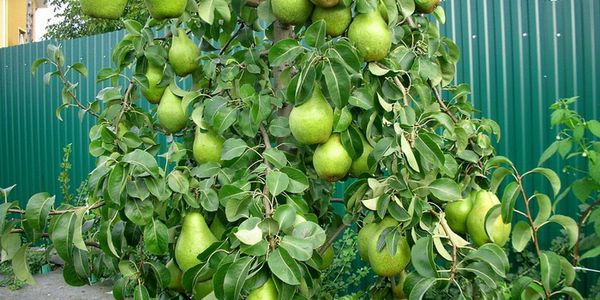
Winter
Let's look at winter pear varieties that store until March on average. Their advantages include excellent transportability.
Kyrgyz Winter Pear. Fruits weigh up to 245 g. They are yellow-green when picked, and beautiful golden with a red blush when ripe. The flesh is firm, tasty, and slightly tart. Stored in a cool place, they keep until the end of March. Their attractive appearance and good transportability make them a suitable choice for commercial cultivation.
Concord pear. An English-bred variety. Pears are green after picking, developing a red blush as they ripen.
When using quince rootstock, the fruit weight can reach 350 g.
The Artemovskaya Winter pear is highly prized for its yield: up to 500 centners per hectare. Fruit weight ranges from 210 to 250 grams. The surface is slightly bumpy and yellow-green when fully ripe. The flesh is sweet, with a dessert flavor and a pleasant aroma. Harvesting begins in mid-September, and the fruit is fully ripe by January.
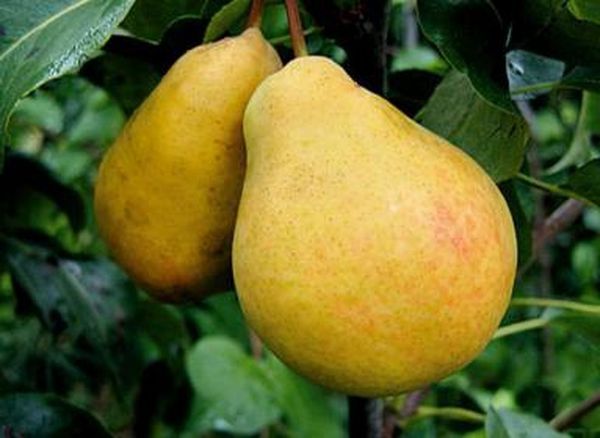
The Kondratyevka pear is distinguished by its large fruits (approximately 300 g). The flesh is juicy, buttery, and free of hard particles. The harvest is in late September and can be stored until January. The tree is highly resistant to cold and disease.
The Novogodnyaya pear is an early-bearing variety, with a commercial harvest available within five years of planting. The fruits are firm, sweet, and tart. They are green when picked, turning yellow when fully ripe. They are often borne in clusters.
Blanca. Harvesting begins in October, and the fruit can be stored until April. It is best grown on rootstock, preferably quince. The pears are very large, weighing 300–500 g, with some reaching 700 g. The flesh is aromatic, juicy, buttery, and sweet. It is medium-firm. It is highly resistant to disease and cold.
The Novella pear produces fruit as early as late August, and its harvest has a long shelf life. The average fruit weight is 170–270 g. They have a pleasant sweet and sour flavor. When ripe, they are yellow with a reddish tint. The Novella pear has high immunity to fungal diseases and excellent winter hardiness.
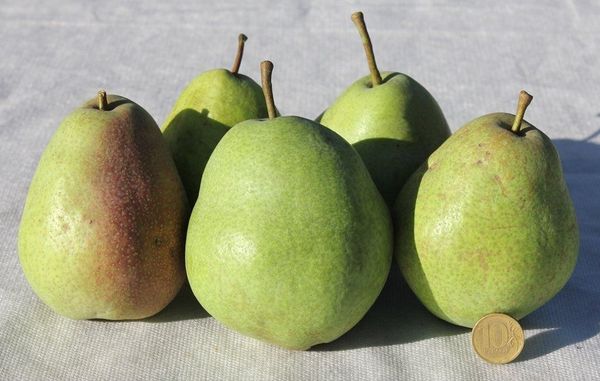
The Malvina Winter variety is a relatively new variety. The harvest lasts until early March. The fruits are yellow-green with a blush, sweet, and weigh from 130 to 170 g. The Malvina pear has good winter and frost resistance.
The late-ripening TSKhA pear is characterized by medium-sized fruits (120–140 g). The flavor is sweet and sour, pleasant. Oil content is average. Storage life at 0°C is approximately 3.5 months. Fruits are almost never shed from the branches. Transportability is average. This pear tree is characterized by high winter hardiness and moderate resistance to diseases and adverse conditions.
Late winter
Late winter varieties have a particularly long shelf life.
Roksolana pear. Average fruit weight is 240 to 300 g. The flesh is smooth, buttery, sweet, and slightly tart. It has a pleasant almond aroma. Full ripeness occurs in early January. For the best flavor, keep the fruit at room temperature for 7 to 10 days. It is resistant to scab.
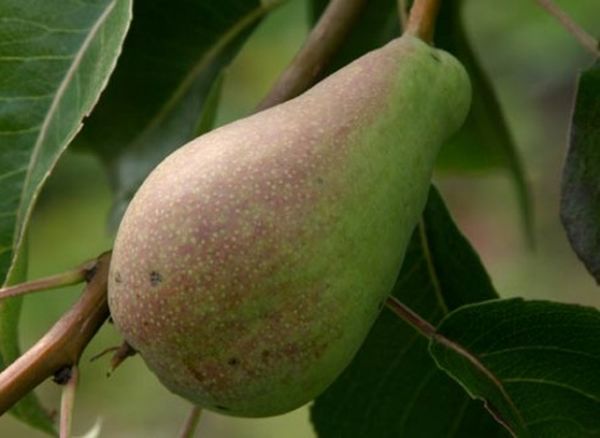
The Dekanka Winter pear variety requires a warm climate, fertile soil, and abundant watering, so it thrives primarily in southern regions. However, it is among the largest pears, averaging 400–600 g, with specimens reaching 700 g. When harvested (in October), the fruits are green; when fully ripe (December–January), they turn a grassy yellow with a golden flank. The skin is thick yet tender. The flesh is melting, moderately sweet, with a refreshing tartness. The Dekanka Winter pear begins bearing fruit at 6–7 years of age, or at 4–5 years on quince rootstock. The yield of a single tree is 80–100 kg. It can be stored until early April.
Maria. On seed rootstock, the tree begins bearing fruit in the 3rd or 4th year; on vegetative rootstock, in the 2nd year. It is winter-hardy, resistant to frost and thermal leaf burn. Fruits weigh 220–350 g. When harvested (early October), they are yellow-green, turning golden with a bright red blush when fully ripe. The flesh is creamy, juicy, buttery, and melting. They can be stored in the refrigerator until May, and at room temperature until March.
Video: "Grafting and Pruning a Pear"
This video will show you how to properly graft and prune a pear tree.