
Growing 3 of the Best Ornamental Pear Varieties from Seed
Content
Which variety to choose?
Trees of this type are characterized by a medium height and a conical crown. They are in high demand among gardeners, also due to their attractive appearance. Planting such a tree is not difficult. It is only important to follow a few rules, but more on that later. First, it's important to determine which variety is best grown from seed.
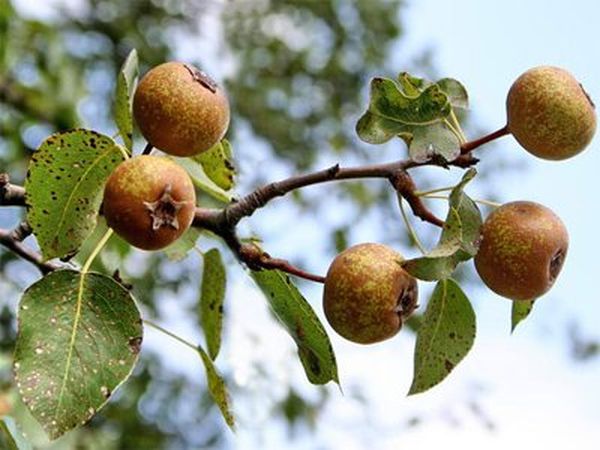
Most popular:
- Callera Chanticleer;
- Caucasian;
- Willow-leaved.
An annual climbing pear is also grown. It has no food value, but makes a beautiful garden ornament. This tree is characterized by resistance to various diseases. Plants of this family are used as ornamental plants. They make a wonderful addition to city parks. While this type of vine looks beautiful, it won't produce a bountiful harvest. Climbing varieties can only beautify and enhance a garden.
Callera Chanticleer
How to grow a tree of this variety? It's best to plant it near a pond or body of water. A slightly elevated location is acceptable. The foliage is dark green and has a distinctive sheen. During flowering, the crown turns a snow-white hue, covered in inflorescences. The fruit is small.
Caucasian pear
A distinctive feature of this variety is its height, reaching 26 meters. Pears are propagated by seeds, but it is also possible to grow this variety from cuttings. The advantage of this variety is its low maintenance. It can go long periods without watering. This will not harm the tree or negatively impact the yield. The plant is moisture-tolerant and looks very impressive during flowering.
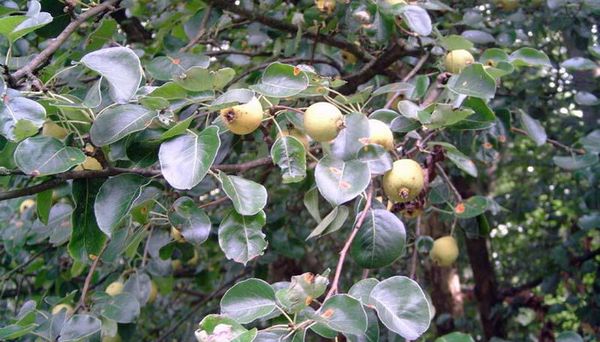
Willow-leaved
This is a shorter plant compared to the previous one. It reaches a height of 10 meters. A distinctive feature of this variety is its ovoid crown. The shoots are covered with hairs. The tree is undemanding of soil conditions. Even grown in salty soil, this pear will produce a good harvest. It has an early flowering period. This ornamental pear resembles a pumpkin in shape. You might think you're growing an ornamental pumpkin, but in reality, it's a pear!
Selection and preparation of seeds
The pear variety of ornamental trees doesn't require any special selection. Simply choose the right location and seeds. Planting and care are straightforward. However, selecting seeds is a special process. As with ornamental pumpkins, the choice depends on the growing goals. A pear from seed can only be grown from whole seeds that have undergone special treatment. If the resulting fruit is unsatisfactory for any reason, simply grafting a new variety into the tree's crown is sufficient.
It's worth keeping in mind that growing a climbing pear or other ornamental variety isn't easy, as the process takes a long time. However, a single fruit will eventually produce several seedlings, which will be a worthy reward for the effort, labor, and patience invested.
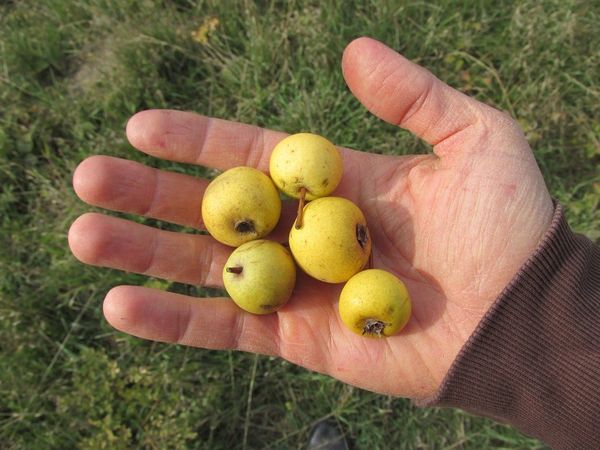
To select suitable seeds for planting, cut open a ripe, fresh pear in late fall. Place the seeds in a container. Cover with hot water. Rinse. Then, spread the seeds on paper towels to dry. Place the seeds in an airtight bag and refrigerate for 3 months. If growing indoors, you can pre-plant the seeds in a biodegradable or regular flowerpot. Fill it 3/4 full with soil.
Selecting soil and preparing the site
Choosing the right location for both pumpkins and ornamental pears is important. These plants should be planted in sunny areas. This work is best done in the fall, but spring planting is also possible. Pay attention to soil selection. In Russia, hills and elevated areas are preferable. Avoid growing these plants in areas with poor soil.
Landing rules
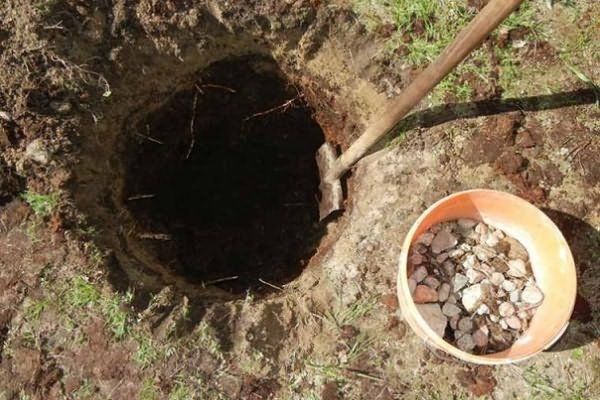
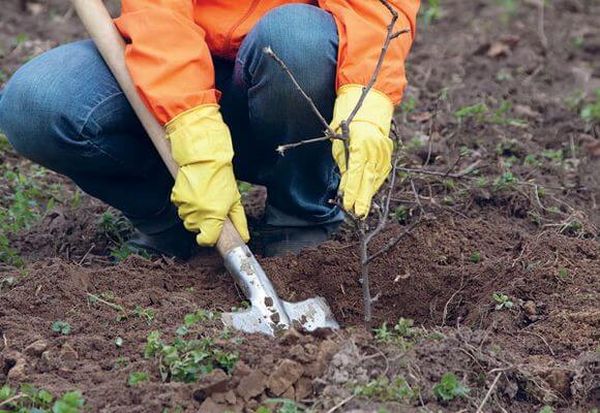
First, dig a hole and add about 1 kg of superphosphate. Then add 30 g of compost and 1.5 kg of lime. Place the root system in place and level it. Cover with soil and compact it. Water lightly.
Necessary conditions for growing
Whether you're growing pears from seeds or seeds, it's important to ensure minimal watering. This fruit, like ornamental pumpkins, requires evenly moist soil in its growing location. If the tree is exposed to prolonged drought, problems with fruit production will occur. Such conditions will also negatively impact the plant. It's important to keep in mind that watering should be regular but moderate. Water around the edges of the tree, avoiding direct watering near the trunk.
The plant needs sufficient sunlight.
Further care
Planting seedlings, including indoor plants, requires special care. Growing ornamental pears from seed is no problem. Even when planted indoors, you can expect good growth. Fertilize in the spring, preferably with nitrogen. Foliar feeding is also important. During flowering, treat the tree with a 2% sulfate solution.
Ornamental pear trees are resistant to various diseases. However, like any other plant, they require preventative care. Cytosporosis is the most common pest. Leaf rollers and green aphids are also dangerous. For prevention, fungicides should be used. To combat the negative effects of pests, periodically whitewashing the trunk is sufficient.
Video: "Pear Seed Harvesting"
This video will show you how to harvest pear seeds yourself.