
Features of growing the autumn pear variety Vekova
Content
Characteristics of the variety
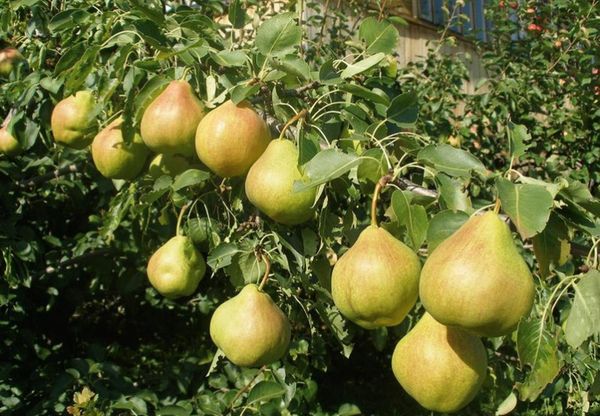
The Vekova autumn pear variety is renowned for its large, tasty fruits, which ripen after the summer pears have been eaten or stored for the winter. Therefore, they are typically not used to make jams, marmalades, preserves, or compotes, but are eaten fresh. The tree is medium-sized, reaching up to 6 m in height, with a rounded crown with a radius of up to 5 m. Its shoots are a dull mustard-brown, the leaves are elongated and ovoid, and the flowers are white and fairly large.
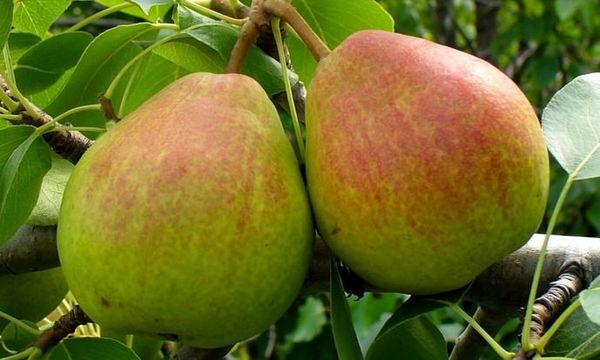
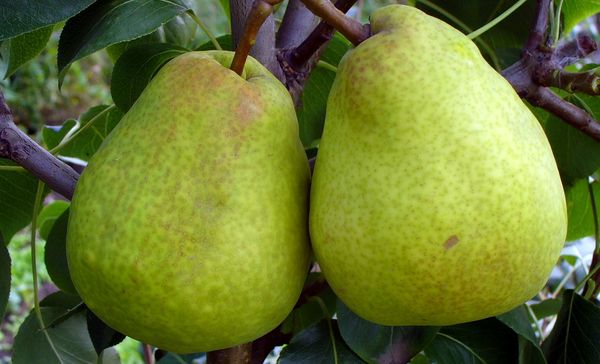
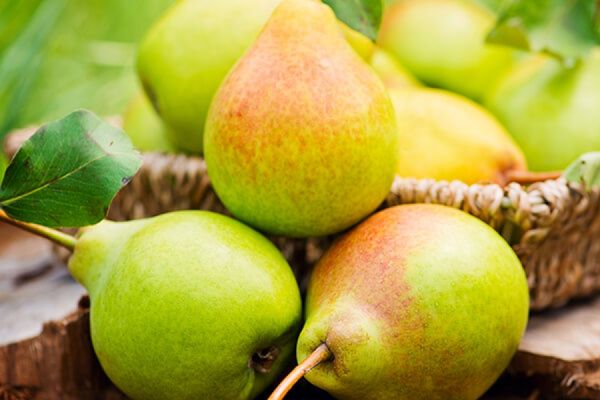
The fruits ripen almost all at once in September, so they need to be picked within a week; the remaining fruit will fall off and rot. They are uneven in size, weighing between 135 and 255 grams, with pears weighing 400 grams being rare. The fruits have a classic pear shape. When ripe, they are greenish-yellow, with a diffuse red blush covering a third of the surface, through which the subcutaneous spots are clearly visible. The flesh is white, soft, juicy, and has a sweet and sour dessert flavor. The fruits can be stored for a month, or at most, a month and a half.
Vekovaya easily survives frosts down to -20 °C, has good resistance to traditional pear diseases, and is immune to scab, fire blight, and gall mite. Fruiting begins at 4-5 years of age, and mature trees produce consistently high yields if they receive sufficient sunlight and nutrition. This variety is not self-fertile, so to ensure a good harvest, another variety should be planted in the area (the Severianka variety is an excellent pollinator).
How to plant correctly
First, choose the right location: the pear tree loves full sun, but it should be protected from northerly winds. Leave plenty of space between Vekova and other trees—it grows up to 6 meters tall, so taller trees may shade it. Choose a healthy, well-developed sapling 70–80 cm tall for planting. Trim its leaves, shorten the lateral roots to 10 cm, and soak the roots in water for an hour. It can be planted in the garden in the spring after the weather warms up, or in September.
Pear trees aren't picky about soil, except for very rocky soils. However, it's important to remember that groundwater shouldn't be too close to the surface. Soils can vary, but clay soil will retain moisture, while sandy soil will lose nutrients. Therefore, a plot is usually prepared or a large planting hole is dug, followed by prepared soil mixed with fertilizer, and a drainage layer can be placed at the bottom. Some gardeners place a dozen fresh raw eggs at the bottom of the planting hole, which will eventually act as fertilizer.
It's best to plant in a slurry made from water, fertilized soil, and wood ash. Then pour it into the hole, cover it with soil, lower the seedling into the hole, cover the roots, and compact the soil. The root collar should be just above the soil surface. After planting, water the area around the trunk thoroughly again, then cover it with soil and mulch.
Features of cultivation
A young tree is watered frequently, but an adult tree can get by with the moisture that the roots can obtain.
Starting in its second year of growth, the tree is pruned annually, shortening shoots and removing damaged branches and those that are too dense. Fertilizers should be applied depending on the soil condition: if the soil is fertile, the fertilizer applied before planting should last for several years. In depleted soil, nitrogen fertilizers should be applied in the spring, and potassium-phosphorus fertilizers should be applied during flowering and after harvest. In the spring, water the tree well with a solution of mullein or urea. If a quick effect is desired, foliar feeding with urea should be applied to the crown.
Although Vekova has good resistance to the most common diseases and pests, experienced gardeners recommend treating the trunk with "Preparation 30" in the spring after pruning, and with Bordeaux mixture (1%) on the green cone. This treatment will kill overwintering pests and protect against fungal diseases. To attract pollinating insects to the flowering tree, they recommend boiling sugar syrup, adding pear blossoms to it, then cooling it and placing it nearby to release the pear aroma.
Pros and cons of the variety
The Vekovaya variety's main advantage is its delicious, juicy, and highly nutritious fruit, which ripens after other pears have been eaten. The trees consistently produce high yields, are highly resistant to diseases and pests, and survive frosts and droughts well, making them easy to care for. Drawbacks include a short shelf life, lack of self-fertility, and a relatively late onset of fruiting. However, these traits are common to most varieties of this crop.
Video: "How to choose a pear variety?"
This video will show you how to choose the right pear variety.