
Description of the autumn winter-hardy pear variety Uralochka
Description and characteristics
The tree is of medium height, reaching a maximum of 5 meters. The bark is predominantly gray and smooth. Branches extend from the trunk at right angles, rounding at the top.
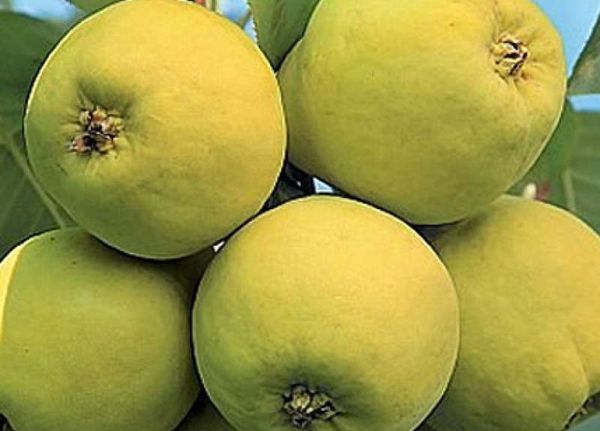
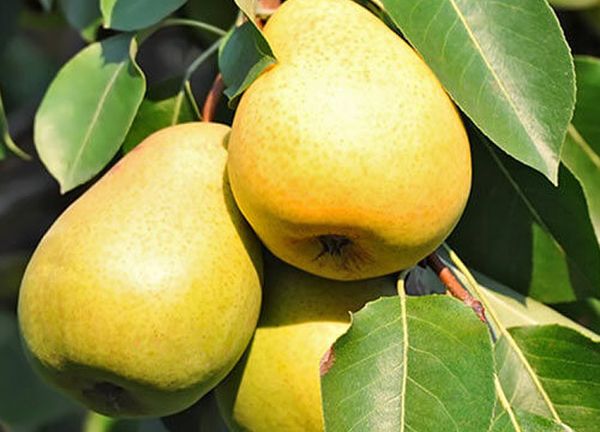
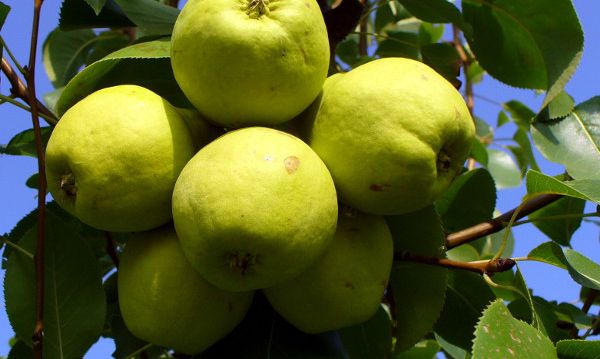
The shoots are small, brown, and glabrous, with few lenticels. The leaves are glossy, medium-rounded, bright green, and have slightly corrugated edges. The Uralochka pear variety produces small fruits (up to 45 g) of a perfect pear shape. The skin is unattractive: dry and dull, with a rough surface. Until fully ripe, the fruits are yellow-green. Harvest occurs in mid-September, at which time the fruits acquire a golden hue.
Subcutaneous spots are clearly visible and gray or brown in color. The pear flesh is fine-grained but very juicy, with no strong aroma. The variety's flavor rating is 4.2. The fruits remain on the pear tree for no more than a week after full ripening, and their shelf life is no more than a month.
The tree is not self-fertile, so pollinators must be nearby. Varieties such as Vekovaya and Povislaya are ideal. They begin bearing fruit four years after planting. The yield is very high: a mid-aged tree produces up to 40 kg of fruit per year.
Its main advantage is its frost resistance: even at temperatures as low as -48°C, damage to wood and buds is minimal, and a frost-damaged tree can produce up to 20 kg of fruit. However, its drought tolerance is average. It is not susceptible to scab, and other pests cause minor damage.
Features of cultivation
The hole for the future plant is dug in advance so that the seedling feels as comfortable as possible in it.
The size is 100 x 50 cm. A trunk support must be installed in the center. If the soil is clayey, a drainage layer is added to the bottom of the hole, followed by a layer of fertile soil with the necessary fertilizers, such as ash and potassium. If the soil is dry, drainage is not necessary.
It's essential to inspect the root system: if it's damaged, disinfect it with a special disinfectant before planting. The seedling is tied to a pre-installed stake and covered with nutrient-rich soil, gradually spreading the roots horizontally. The upper aerial roots should be 3-4 cm above ground level.
The planted tree is watered well, and the soil around the trunk is compacted. Fertilizers are introduced once the tree begins to bear fruit. During the first few years of its life, it's best to protect the seedling from frost, burns, and pests. In winter, gardeners cover the tree with snow.
Video: "Pear Tree Care"
In this video you will hear useful tips on how to care for a pear tree.