
Tips for caring for pear trees at different times of the year
Content
Watering and fertilizing
The first thing to mention when talking about how to care for a pear tree is watering and fertilizing the plant.
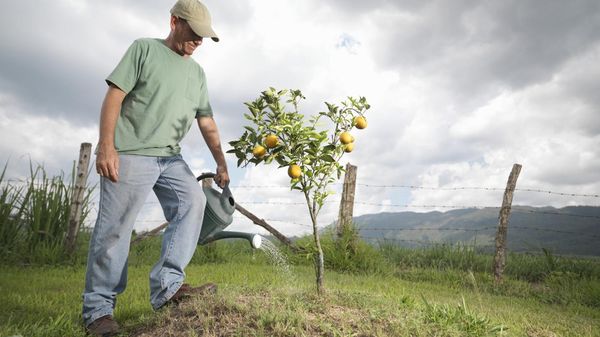
- Spring. Watering a pear tree depends on the variety. If the variety is drought-tolerant, water it when the top layer of soil dries out. However, there aren't many varieties that do. Typically, pear trees should be watered several times (2-3 times) in the spring. This is sufficient for most varieties. In the spring, nitrogen-containing fertilizers (saltpeter, urea, or chicken manure) are typically applied. This fertilizer stimulates tree growth. Fertilizing is done before bud swelling and after flowering.
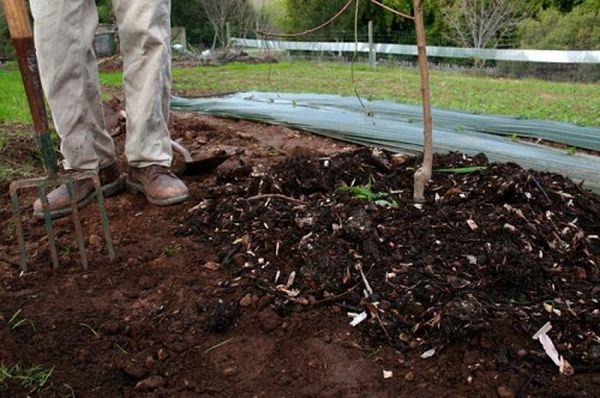
- Summer. During the summer, water the pear 2-3 times. The first watering occurs in early June, followed by mid-July (a couple of weeks before the fruit ripens, if your pear is a summer variety). If the summer is dry, you can also water the garden in early and mid-August. In the summer, feed the pear with fertilizers high in phosphorus and potassium. This will help the plant recover from flowering and gain energy. This procedure is carried out in July.
- Autumn. Caring for pear trees in autumn involves one watering in early September (for winter-bearing varieties). Also, by mid-September, a fertilizer containing potassium and phosphorus, as in summer, should be applied. This fertilizer is applied to ensure the tree gains energy before winter and can withstand even the most severe frosts.
Crown formation
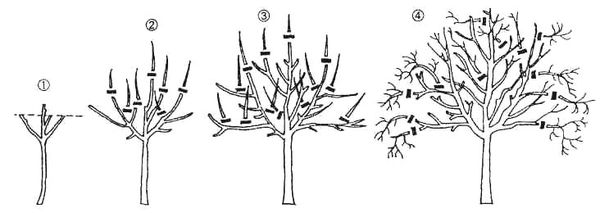
Growing pears necessarily involves pruning, which is carried out in spring, summer and autumn.
- Spring. When caring for your pear tree in spring, ensure all vertical branches are removed. Also remove any crooked or broken branches. Leave at least a few fruiting branches on each skeletal branch. Always coat the cuts with garden pitch to prevent infection.
- Summer. The tree's crown doesn't require any special care in summer. Only if it becomes overly dense can you remove some branches to allow others to grow normally. But generally, you don't need to prune the tree at this time of year.
- Autumn. You can begin pruning pear trees in the garden as early as late August. Remove all dead and damaged branches, and burn them after pruning. This will protect the plant from various diseases. One-year-old shoots should be cut back by a third, leaving only a few buds, from which new branches will emerge.
Protection from diseases and pests
Caring for a pear tree also involves carrying out preventative measures to combat various diseases and insects that can cause you a lot of trouble.
To grow a healthy tree, follow these guidelines:
- Spring. Pear trees require special care in the spring to prevent future diseases. Immediately after the snow melts, the area around the tree's trunk and the tree itself should be treated with special preparations. A one-percent solution of Bordeaux mixture is often used for this purpose. The plant is sprayed three times: in early March, before (April), and after (May) flowering.
- Summer. No preventative maintenance is required during the summer, but you can prune broken and damaged branches promptly. This will prevent some common diseases.
- Autumn. In the fall, it's important to remove and burn fallen leaves, as they can become a breeding ground for pests. They provide an excellent breeding ground for microorganisms. You should also whitewash the tree trunk to provide reliable protection against harmful insects.
Preparing for winter
Winter protection is an important step in caring for pear trees. Wrap them with pine branches and cover them with burlap. This type of care is generally only necessary for young pear trees; older trees don't require any additional protection other than snow. The exception is certain varieties that don't tolerate low temperatures very well.
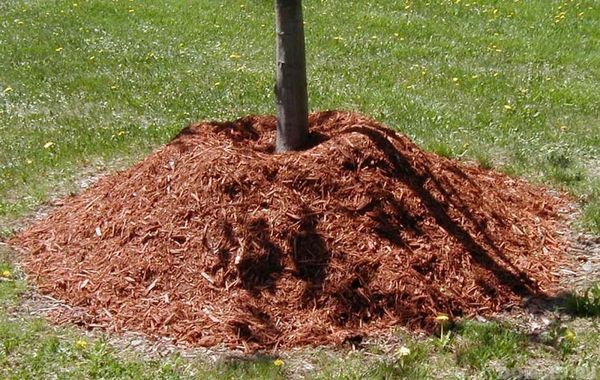
Furthermore, both young and old trees can become a tasty morsel for rodents, so make sure your pear tree has adequate protection. Wrap the area around the trunk with spruce branches, paper, or simply thick fabric.
Methods of reproduction
The plant can be propagated by either seeds or cuttings. The first method requires purchasing seeds and sowing them in the ground in autumn. The seeds ripen around midwinter. They are collected in a cheesecloth bag and then left in a toilet cistern for a couple of days to allow the water to flush out harmful substances. Afterward, they are removed, mixed with sand or sawdust, moistened, placed in a regular plastic bag, and placed in a box kept at a temperature of 3 to 5°C (the bag should be slightly ajar).
When the first sprouts appear, the temperature should be lowered to 0 degrees Celsius and stored there until sowing. They are sown in the spring, with the hole for pear seeds being shallow—just 3–4 cm. They are tended to in the summer, and in August, varietal cuttings are grafted onto the seedlings. After a couple of years, when they have grown, they are planted in their permanent location.
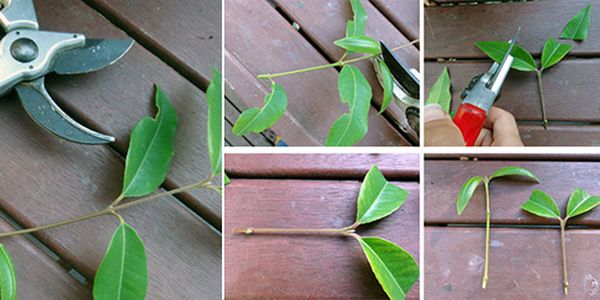
To take cuttings, select a young branch and break it off. The cuttings should be 20 cm long. Place the cuttings in a trimmed two-liter bottle filled with melted water (5–6 cm deep), in which several tablets of activated charcoal have been dissolved. When the roots reach 5–6 cm, they can be planted in a suitable location, and with proper care, you'll have excellent seedlings by fall.
To transplant a pear tree to its permanent location, you need to prepare a hole for planting. The hole should be located in a well-lit area with a deep water table. The hole should be about one meter by one meter. It's also a good idea to fertilize the hole before planting to ensure the plant receives all the nutrients during the first year. Place the seedling in the hole, spread out the roots, and cover it with soil so that the root collar is a few centimeters above the soil level. After planting, water the seedling thoroughly.
Video: "Pear Tree Care Guidelines"
This video will show you how to care for a pear tree.