
Growing the Sverdlovchanka dessert pear
Content
Characteristics of the variety
The Sverdovchanka pear variety has no distinctive characteristics. The tree grows to a medium size, with a spherical crown and sparse growth due to the vertical growth of its branches. The bark color ranges from green to gray. The leaves are glossy, oval, and bright green, distinguished from other pear varieties by the presence of serrations along their edges. This late-ripening pear variety fully ripens in early autumn, making Sverdovchanka most often grown for storage.
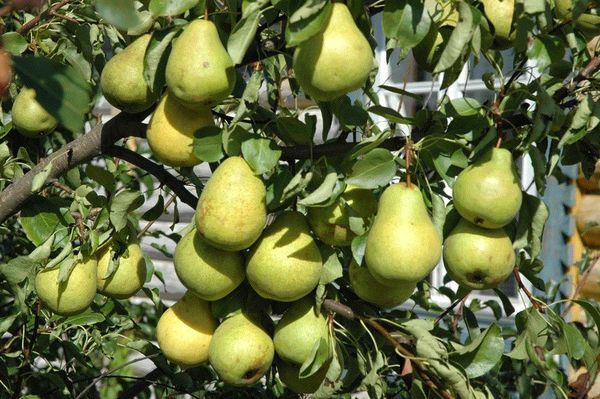
The fruit's description is very appealing. The pear is small in size, weighing between 120 and 180 grams depending on the tree's age. The pear is more round than pear-shaped, and smooth to the touch. When ripe, the fruit is bright green with distinct dark spots. If not harvested in time, the pear will take on a yellowish tint. A slight blush may appear on the sunny side of the tree.
The Sverdlovchanka has a very sweet taste, with no tartness even when unripe. The flesh is juicy, smooth, and buttery.
The tree produces its first harvest 3–4 years after planting. The elongated stalk of this variety holds the fruit securely, preventing it from falling to the ground. This feature ensures that the fruit always has a marketable appearance.
Another characteristic of this variety is its frost resistance. The tree can withstand temperatures as low as -38°C. This makes it popular in the northern regions of the country, but harvesting in these areas is expected until October.
Planting and caring for a seedling
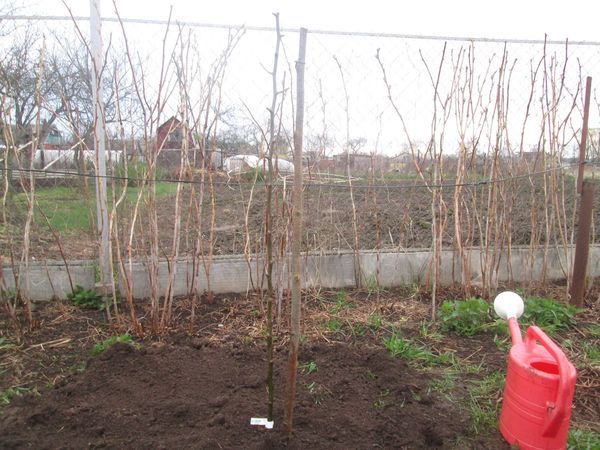
When purchasing any seedling, carefully inspect the tree for mechanical damage and pest infestations. If signs of damage are found on the roots, they should be removed, leaving only healthy main branches.
Planting is done in early spring or fall. However, in northern regions, planting in the ground in fall is not recommended, as the root system may not have time to establish before the cold weather sets in. A sandy-lime soil is suitable, and the planting hole should be prepared a week in advance. Pay attention to the terrain; it's important that no trees or buildings block the seedling from the sun.
After planting, water the tree with two buckets of water, and then as needed. During dry periods, watering can be done more frequently. Be sure to loosen the area around the trunk to allow the root system access to air.
The following year, you can introduce the first supplemental feeding if the tree is lagging behind in its development. Humus or peat mixed with soil is ideal. The best time to do this is summer.
The tree should be pruned annually until it dies completely. This is done in the spring or fall. After removing unnecessary branches, the cuts must be treated with garden pitch.
Pest and disease control
A huge advantage of this variety is its increased resistance to pest attacks. This allows for less time spent on maintenance and minimal costs on disinfectants. To minimize infestations, follow these guidelines:
- The area around the pear tree must be cleared of debris and weeds - such places are a breeding ground for harmful insects that carry infections;
- the top layer of soil around the pear tree should be loose, so don’t forget to dig up at least the trunk circle from time to time;
- Apply fertilizers in a timely manner, which will strengthen the variety’s immunity;
- collect fallen leaves and take them outside the garden;
- Spray the tree with preventative preparations.
Video: "Tips for Growing Pear Trees"
In this video, an agronomist will share his tips for growing pears.