
12 Most Frost-Resistant Pear Varieties for Siberia
Content
Isetskaya juicy
Isetskaya Juicy boasts high winter hardiness, high yield, and resistance to scab. It is moderately susceptible to pear gall mite and leaf spot. The crown shape is almost round.
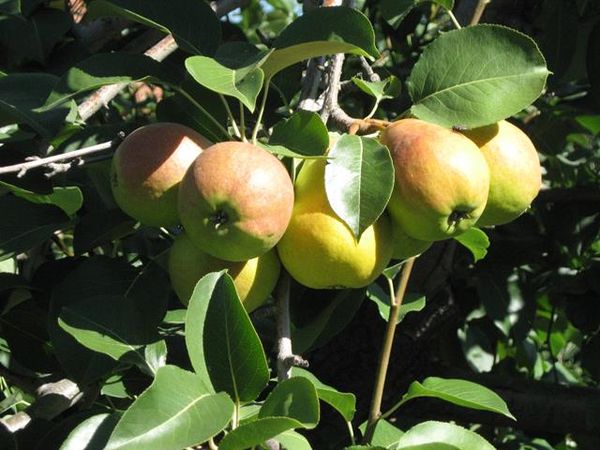
As the name suggests, the fruits are particularly juicy, yet sweet and buttery. They weigh up to 110 g. When ripe, they acquire a rich cream color and a blush with a pinkish tint, sometimes with a coral hue. The harvest is in the second half of September. They can be stored for about a month.
Early ripening Sverdlovsk
Skorospelka Sverdlovskaya is a variety resistant to severe frosts (down to -50 °C) and spring frosts, one of the best for cultivation in Altai. In terms of winter hardiness, it resembles the Flute variety. Important: Skorospelka has rather long branches, which is detrimental to fruiting. Formative pruning is essential for young trees.
The fruits are small, weighing 80–110 g, juicy, tender, and very tasty—honey-sweet with a harmonious tartness. The aroma is pleasant and distinct. The skin is rough, light yellow, and dotted.
Perun
The Perun pear variety is moderately winter-hardy, making it ideal for planting in southern Siberia. Its important characteristic is its resistance to fungal infections (scab, etc.).
Since the variety is self-sterile, growing this pear in Siberia requires the presence of pollinators.
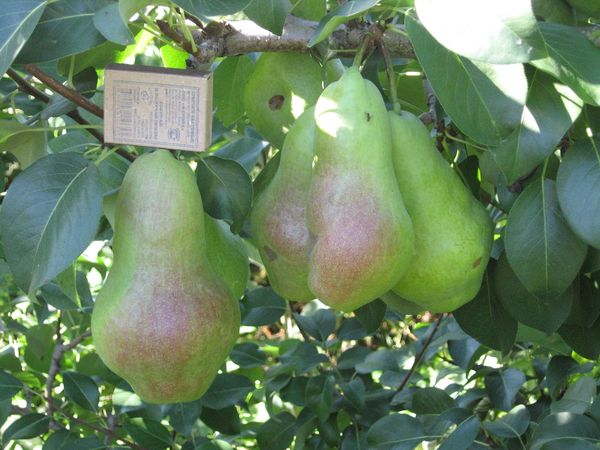
The fruits are bumpy, large, weighing 135 to 180 grams, and golden in color. They have a pleasant sweet-and-sour flavor. Ripening occurs late in autumn: harvesting begins in October and can continue until the first frost. They can be stored until New Year's. Once picked, the pear ripens, acquiring a particularly juicy texture. The fruits are eaten fresh and dried.
In areas with little snow, it's best to plant this pear tree in the spring, otherwise the seedlings may freeze. It produces its first harvest 4–5 years after planting.
Pink Barrel
Pink Barrel has a moderate winter hardiness. The warmer the summer, the earlier the harvest ripens (September-November). The fruit's appearance matches its name: a distinct dark pink blush is clearly visible against the yellow-green skin. The fruit has a pleasant sweet and sour flavor.
Svarog
When listing the best varieties for northern regions, it's impossible not to mention the Svarog pear. This variety boasts excellent winter hardiness and resistance to fungal diseases. Regular watering is essential for proper cultivation, as it has low drought tolerance. It can be affected by the pear moth. Yields up to 20 kg per tree.
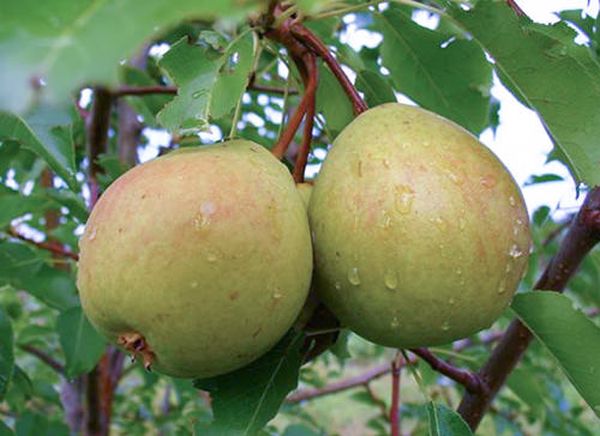
The fruits are small—up to 80 g—and yellow with a slight blush. The flesh is creamy, melting, sweet, and pleasantly tart. Harvesting begins in mid-September. Stored in a cool place, they can last up to three months. The fruits are versatile—they can be eaten fresh or processed.
Lel
This variety is zoned for the eastern and western Siberian regions. It has average winter hardiness. It yields approximately 45 kg per tree annually. It prefers loamy soil.
The fruits range from 65 to 100 g, yellow-green with a distinct blush. They ripen in late August. When choosing this variety, keep in mind that the fruits have a very short shelf life: only up to a week in a cool place and 2-3 days at room temperature. However, their juiciness, tenderness, and excellent flavor (sweet-sour, slightly spicy) make this variety very popular.
Seedlings can be planted in either fall or spring, as long as there's no risk of frost. To ensure good growth, they require ample watering for some time after planting.
Northerner
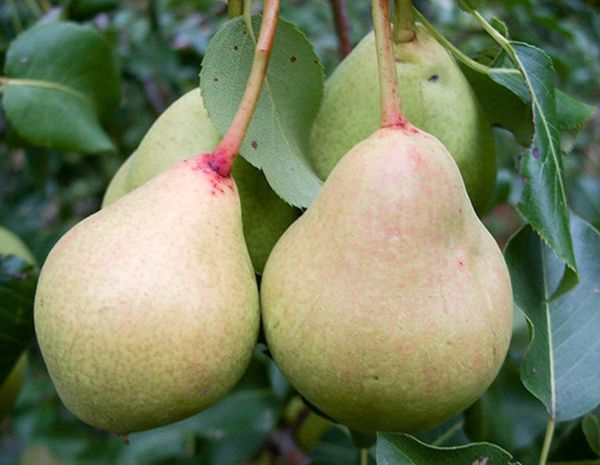
One of the oldest varieties grown in Siberia. Despite its relatively low yield, it is popular for its reliability: it can withstand severe frosts (down to -50°C) and adapts to mountain climates. It quickly recovers from challenging winters.
This columnar pear is quite compact and suitable for small plots. It begins bearing fruit as early as the second year after planting. The fruits weigh up to 100 g and are firm, juicy, and sweet and sour. The harvest ripens in August. It is recommended to pick the fruit a week before full ripeness, as it tends to fall off. They ripen well after being picked.
Partially self-fertile (up to 35%), pollinators are needed for a harvest. Requires ample watering.
Taiga
A winter-hardy, high-yielding variety. The buds and wood are cold-resistant. Excellent resistance to gall mites and scab. The popular Berezhnaya pear variety has similar hardiness. It begins bearing fruit in the fourth year, usually ripening in late summer.
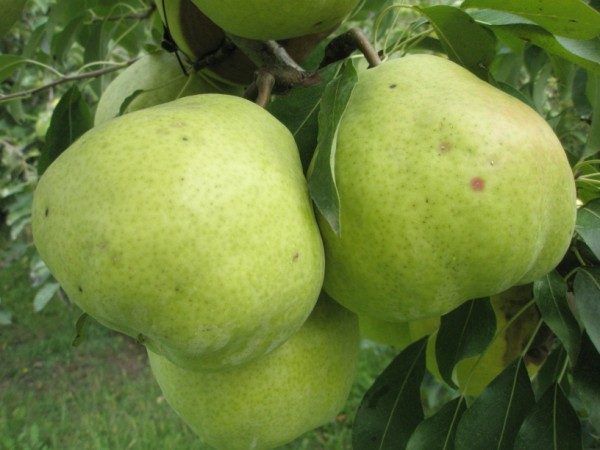
The fruits, although small (up to 90 g), are tasty, sweet, and dessert-like, with buttery white flesh. Ripe fruits are uniformly green and rarely fall from the branches, even in strong winds. They are eaten fresh, but are also used for canning, cooking, compotes, and juices. They keep for about a month.
Lukashovka
A frost-resistant and high-yielding variety: in some years, a single tree can produce up to 200 kg of fruit, but it bears fruit every other year. It is not self-fertile and requires pollinators. It is undemanding of soil. The tree grows up to 5 m tall and does not like excess moisture.
The fruits come in various shapes, from nearly cubic to elongated. They weigh 100–200 g. They are used almost exclusively for preserving: fresh pears are tart and sour, but after being left for a while, they don't ripen fully and spoil quickly. However, they make excellent compotes, jams, and preserves. They also have a long shelf life as dried fruit.
Dekabrinka
A winter-hardy variety, immune to scab and pear mite. Moderate drought tolerance. High yield.
The tree can reach 5 meters in height. It is not self-fertile and requires pollinators. Suitable varieties include Larinskaya and Uralochka. Like the Altai Beauty pear, fruiting begins late—seven years after planting.
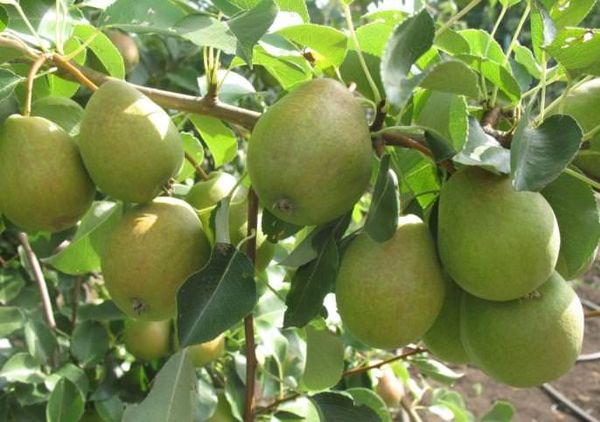
The harvest ripens towards the end of September. The fruits weigh up to 120 g, have a light aroma, and white, juicy flesh with a sweet and sour taste. Gourmets prize them as highly as the Berezhnaya pear. They can be stored for 1 to 3 months and are transportable. They are best eaten fresh.
Autumn Dream
This variety is characterized by high yields and resistance to scab and pests. The plant is low and compact. Harvesting occurs in late August – early September.
The fruits are small. When ripe, they are green-yellow, and the color deepens after storage. The flesh is sweet and sour, refreshing, and medium-firm. Processing is preferred over eating fresh. This variety is recommended for those who want to store their harvest longer: at temperatures from 0 to -1°C, the fruits can be stored for up to six months.
In conclusion, we note that self-fertile pear varieties are very rare, so to obtain a harvest, you should take care of the presence of pollinators in advance.
Video: "Pear Tree Planting Guidelines"
This video will teach you how to properly plant a pear tree in your garden.