
10 varieties of pears for the northwestern region
Content
Cathedral
First on the list of winter-hardy and productive varieties is the Kafedralnaya. This tree produces yellow, blush-colored fruits in summer, weighing approximately 130 grams each. The crown of this tree is rounded and slightly dense. The flesh is quite sweet, very aromatic, and slightly oily. This pear variety is characterized by excellent yields. The plants are cold-hardy and have increased resistance to fungal diseases.
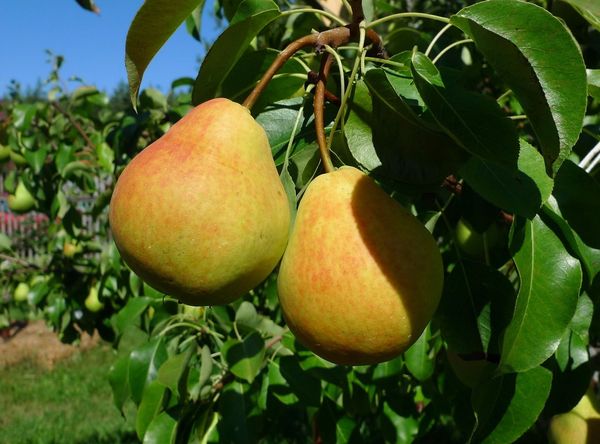
Lada
This pear is moderately frost-hardy and forms a medium-sized fruit tree. The fruits aren't particularly large, weighing up to 100 g, and are yellow with a slight blush. They have aromatic white flesh with a sweet and sour flavor. Full ripening occurs in mid-August. These fruits can be stored for up to two weeks. This variety is noted for its good yield.
Michurinskaya beauty
A relatively young variety, "Beauty" is a low-growing variety with a sparse crown. The harvest season begins in the fall. Ripe fruits are covered with a bright red blush over almost the entire surface of the skin, under which lies white, very juicy, sweet pulp with a pleasant aroma. The plants are quite winter-hardy and have average resistance to scab.
Muscovite
This frost-hardy late-ripening pear variety is characterized by a medium-sized tree with large fruits—up to 125 g each. Ripe fruits have a yellow-green skin and are fully ripe by mid-September. The flesh is distinguished by a distinct aroma, a delicate white hue, and a pleasant texture. The harvest can be stored for about a month (subject to proper storage practices). This variety has average resistance to fungal infections.
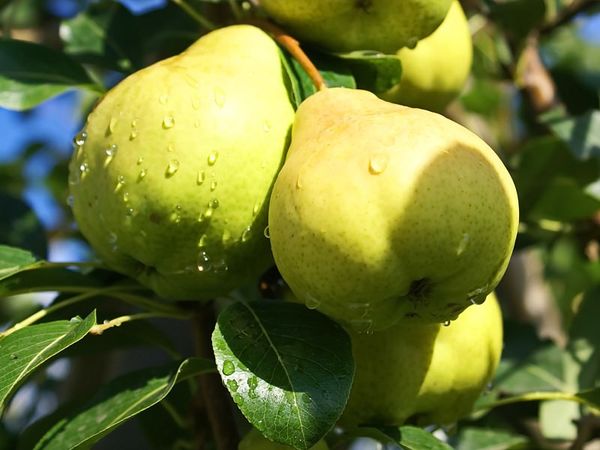
Smartly dressed Efimova
It has a distinctive pyramidal crown and produces large fruits—approximately 130 g. The skin is also unusual—crimson with a red tint. The flavor is sweet and sour, the flesh is tender and very juicy, with an interesting tart aftertaste. This pear, adapted to growing in northern Russia, will yield a harvest by early September. It can be stored for up to 14 days. Its cold resistance is average. This pear requires special attention during periods of high humidity (the tree may be susceptible to scab).
Otradnenskaya
This variety is considered an autumn variety. The plants grow to medium size, producing small, greenish-yellow fruits with a bright blush. The flesh is excellent in flavor, sweet and sour, with a characteristic, pleasant aroma. It is resistant to fungus, productive, and frost-hardy.
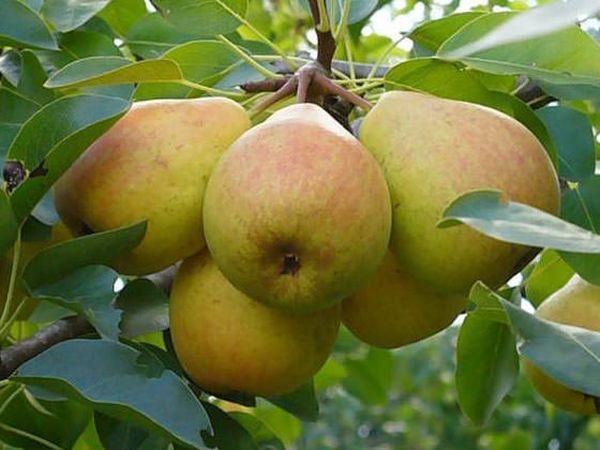
In memory of Vavilov
This cultivar produces a short tree, yet generous in its production of large, light-yellow fruits with a slight blush and sweet, buttery flesh. They are distinguished by a strong aroma and a slightly tart aftertaste. The trees are fairly resistant to fungal diseases and are productive.
Northerner
This early-ripening variety will delight you with its fruit in the summer. The pears are medium-sized (around 80 g), bright yellow, with a subtle blush. The flesh is sweet and firm, with a slight wine-like flavor. The tree is medium-sized, with a moderately spreading crown. This variety is highly productive and disease-resistant.
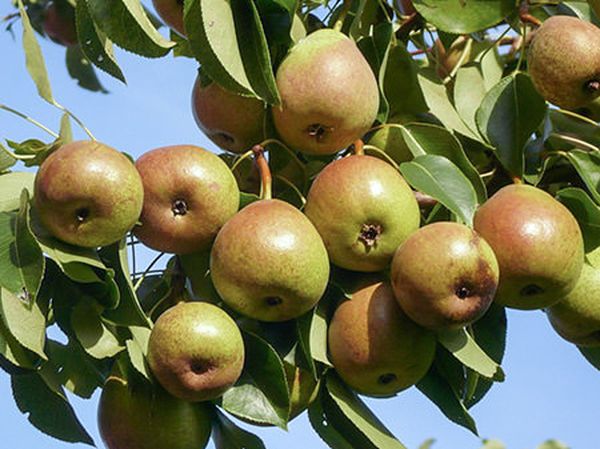
Severyanka Chelyabinsk
Many gardeners consider this pear variety one of the best for growing in the northwestern region. The reason is obvious: it was developed and zoned in the Chelyabinsk region, making it the most popular among gardeners in the Urals. The trees grow medium-sized and are fairly cold-hardy. However, during particularly harsh winters, the pear can freeze, but it recovers quickly. The first fruits can be picked as early as the fifth year after planting. The pears are aromatic, sweet and sour, and ripen in August.
Chizhovskaya
An interesting and unusual cultivar that produces fruits of a distinctive egg-shaped form and a bright lemon color. The flavor is sweet and sour, and the flesh is tender and melts in the mouth. The tree is frost-resistant and virtually immune to scab and other fungal infections.
When choosing a pear variety for planting, also consider self-fertility: self-pollinating varieties do not require the presence of "neighbors" of other varieties, unlike self-sterile crops, which do not bear fruit without pollinators.
Video: "Pear Tree Care Guidelines"
This video will show you how to care for a pear tree in your garden.