
Top 25 Popular Pear Varieties
Summer varieties
All pear varieties can be categorized by ripening time. Early-ripening varieties include those that ripen in late July and August. Mid-season pear varieties are represented by trees that bear fruit from September to October. Pear varieties that begin bearing fruit in November and before the onset of frost are called late-ripening or winter-ripening.
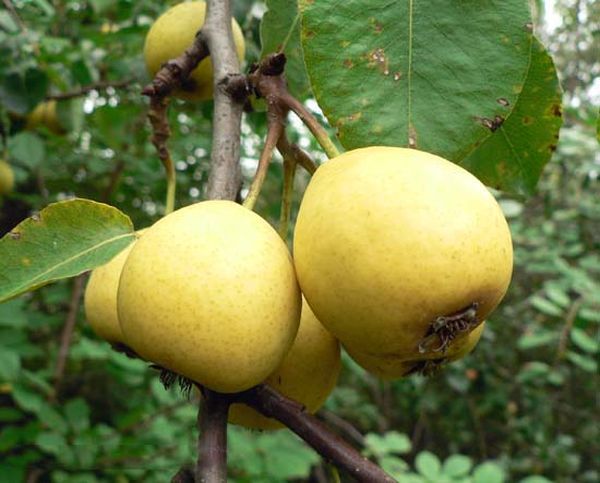
Lemon
The Limonka variety is the first summer pear variety. This variety is used in the food industry because its fruit lacks a distinctive flavor. However, the trees are undemanding, tolerating drought and high temperatures well. Limonka is environmentally tolerant but susceptible to scab.
Cathedral
The fruits of the Cathedral are very tasty and aromatic, have a medium size and a short shelf life. The skin is green with a bright blush. Cathedral variety begins to yield crops as early as 3–4 years after planting; it tolerates cold well and is resistant to scab.
Lada
In their description of the Lada variety, farmers note the tree's high productivity and early first harvest. The harvest is characterized by medium-sized fruits, a tart flavor, green skin, and a short shelf life.
Marble
The Marble pear is also considered one of the best varieties. It gets its name from the diffuse blush on the sunny side and numerous rusty spots across the entire surface. Marble is a wonderful dessert variety, distinguished not only by its sweet taste but also by its wonderful aroma. The fruit is medium-sized.
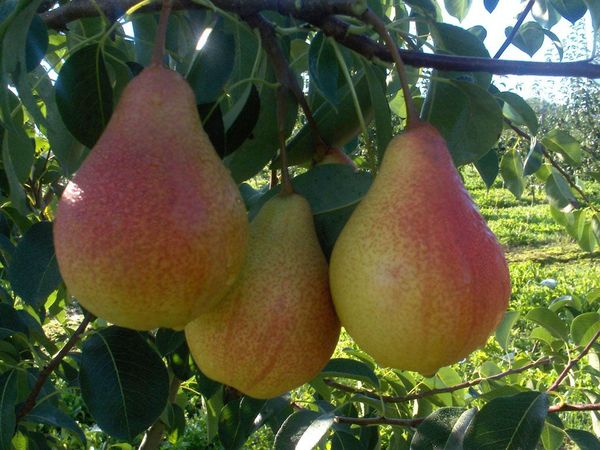
Dessert Rossoshanskaya
The large-fruited Rossoshanskaya Dessert pear weighs over 200 g. The fruits are covered with greenish-yellow skin with a very bright blush. Rossoshanskaya Dessert is often grown in the Central Black Earth Region, as this variety thrives in full sun and produces fruit as early as 3–4 years after planting.
Rogneda
The description of the Rogneda variety always mentions the trees' annual fruiting. The fruits are tasty, weighing approximately 110–120 g, and have green skins. The trees require regular pruning, as the branches tend to become very dense.
Bashkir summer
Bashkir Summer pears are small but have excellent flavor. Unfortunately, the Bashkir Summer's drawbacks include its late onset of fruiting and average yield and winter hardiness. On the other hand, the Bashkir Summer is capable of self-pollination.
Prominent
The description of this pear mentions the unusual shape of the fruit—elongated and rather narrow. However, the flesh has a good dessert flavor, buttery and juicy. Abundant harvests appear in the fourth year after planting. Vidnaya is immune to scab and cold-hardy.
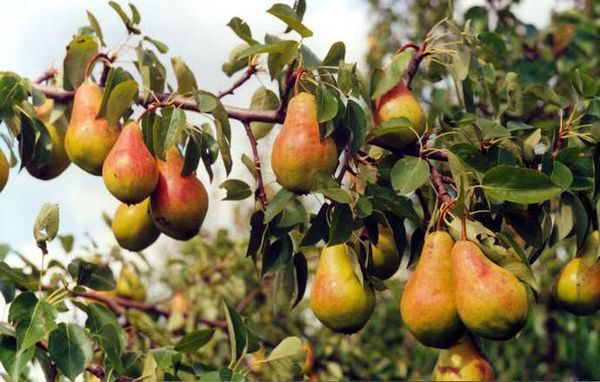
Early ripening
If you plant the trees in a well-lit, warm location, even with limited moisture, you can get medium- to large-sized pears with a pleasant flavor as early as July. The disadvantages of Skorospelka include its vulnerability to scab and its need for full sunlight.
Thumbelina
Thumbelina is a cold-hardy variety with fruit of remarkable dessert flavor. However, it has several drawbacks: fruiting begins after 6-7 years, the harvest ripens at varying times, and the pears are very small (no more than 65 g).
Autumn varieties
Mid-season varieties ripen later than early varieties, but the harvest from autumn pickings lasts much longer. Most early-ripening pear varieties have a shelf life of no more than two weeks, which significantly reduces their marketability.
Chizhovskaya
Tasty, sweet-and-tart Chizhovskaya pears begin to delight farmers with their harvest in September. Chizhovskaya is an early-ripening variety that tolerates cold and pest infestations well.
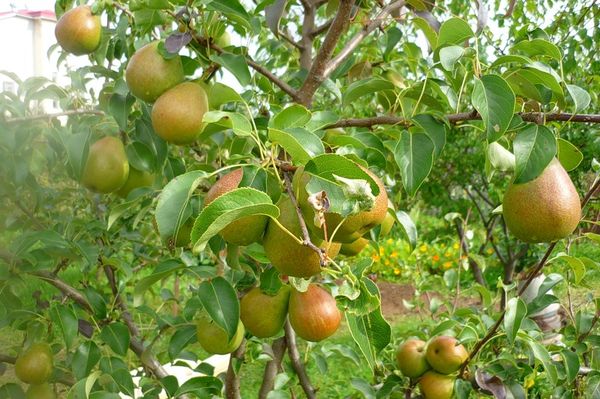
Fairytale
The sweet and tart flesh of the Skazochnaya leaves a pleasant spicy aftertaste. The fruits grow large, pale yellow, and have numerous subcutaneous spots. Skazochnaya is resistant to pests and parasites.
In Memory of Zhegalov
The Zhegalov's Memory variety has average performance in all respects: it tolerates cold and scab relatively well, and can survive without water for short periods during drought, producing fairly average yields with fruits weighing up to 120 g.
Otradnenskaya
Otradnenskaya produces truly abundant harvests of very attractive fruits: small, bright, regularly shaped fruits grow in large quantities on the branches of medium-sized trees.
Otradnenskaya tolerates cold weather well and pleases farmers with its rapid onset of fruiting.
Smartly dressed Efimova
During the autumn harvest, you'll be able to pick a plentiful supply of yellow-red pears with their unusual elongated shape. These fruits will not only make a wonderful table decoration but also a delicious dessert, as the flesh of the Efimova Naryadnaya is juicy, buttery, slightly tart, and spicy.
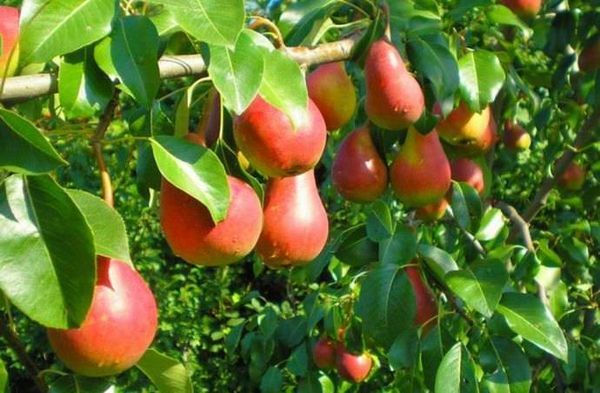
Muratovskaya
The Muratovskaya variety is represented by medium-sized trees that produce substantial yields even in frosty climates. The pears grow to a weight of up to 150 grams, are yellowish in appearance, with a blush, and a short stem. Muratovskaya is more often used processed than raw—as pear jam, compote, and pie filling.
Muscovite
The Moskvichka produces medium-sized pears with very sweet and aromatic flesh. These pears are covered in yellow skin with numerous subcutaneous spots. The Moskvichka's advantages include its resistance to frost, parasites, and many infections.
Beauty Chernenko
Another variety on the list features fruit of an atypical shape: narrow fruits weighing around 200 grams grow on similarly elongated trees. The flesh of the Chernenko Beauty is unusually sweet and melts in the mouth. Overall, the variety tolerates cold weather and small insect infestations well.
Winter varieties
Regardless of ripening time, pears are extremely healthy fruits. They contain numerous beneficial micronutrients, including vitamins C, B, and E. Pears are beneficial for preventing kidney, gastrointestinal, and heart diseases. Eating a small amount of this fruit in the fall and winter can support immunity throughout the year.
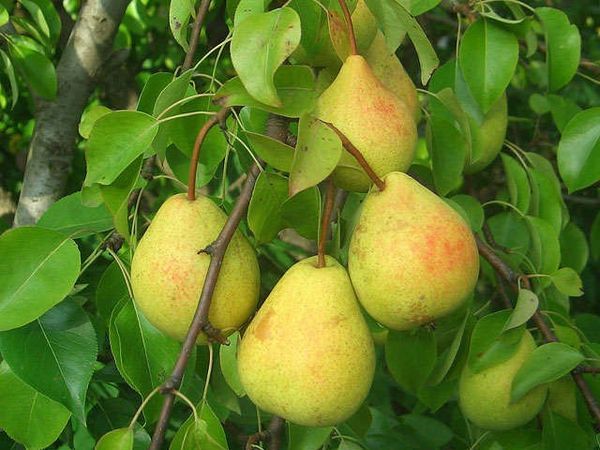
Belarusian late
The list of winter varieties begins with Belorusskaya Pozdnyaya, whose fruit is distinguished by its remarkable flavor and long shelf life. In a cellar or refrigerator, the fruit of Belorusskaya Pozdnyaya can retain its flavor until spring. Furthermore, the trees of this variety are highly resistant to infectious diseases and cold.
January
Yanvarskaya pears are large and have excellent flavor. The variety's advantages include long shelf life, small tree size, and scab resistance. However, Yanvarskaya has several drawbacks: average yields, average cold and drought tolerance, and a lack of self-pollination.
Priest
Curé is more popular with large farmers, as they sell abundant harvests of this variety to producers. This is because, despite its low maintenance and high yield, the Curé's flesh has mediocre flavor.
Etude of Kyiv
Etude Kyiv produces very large, delicious fruits from early-bearing, high-yielding trees. This variety requires no special care or climate conditions.
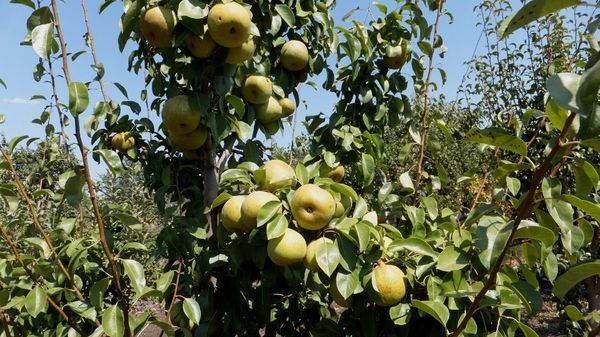
Bere Ardanpon
The Belgian pear grows into a tall tree with a dense crown and incredibly large fruits (approximately 500 g). The harvest lasts from October to February, but to ensure a productive harvest, careful selection of planting site and care is required.
Kyrgyz winter
The large fruits of the Kyrgyz Winter grape store and transport well, but their flavor is more table-quality than dessert-quality. The trees tolerate extreme temperatures and scab infestations well.
November
Delicious, large, green pears grow on the trees of Noyabrskaya. These pears are easy to grow, produce abundant harvests, and tolerate climates anywhere in the country.
Among the many varieties of pears, you can always find a variety that is suitable for your garden plot and will meet the environmental requirements of your region.
Video: "Spring Fertilizing of Pears"
From this video you will learn about what to feed pears with in the spring.