
Features of planting and caring for the productive Chizhovskaya pear variety
Content
The history of Chizhovskaya pear breeding
In 1956, a breeding experiment was conducted at the K.A. Timiryazev Moscow Agricultural Academy, crossing the Lesnaya Krasavitsa and Olga pear varieties. Through hybridization, a new variety was developed, named Chizhovskaya. The fruit crop was named in honor of its originator, the distinguished breeder Sergei Chizhov.
The Chizhovskaya pear, included in the State Register of Breeding Achievements of the Russian Federation (1993), is recommended for cultivation in the Central, Northwestern and Middle Volga districts.
Description and characteristics of the variety
The Chizhovskaya pear (often called Chizhevskaya) can be found not only in private gardens but also in commercial orchards. What's so special about this variety?
Description of the tree
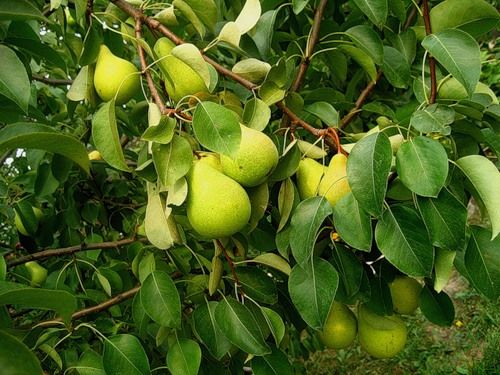
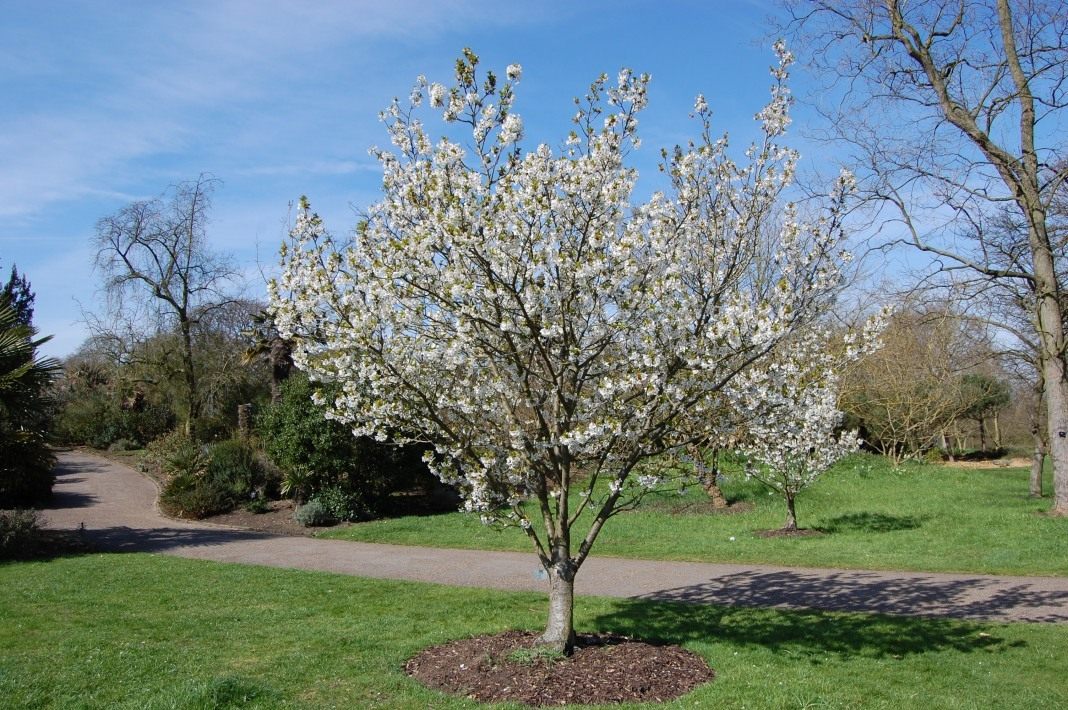
This standard-type fruit tree grows to a height of 1.8–2.5 meters. Its medium-sized, pyramidal crown becomes more spreading as the tree grows. Its compact size makes it suitable for growing in small garden plots.
The bark of the trunk is dark gray, while the skeletal branches are light gray. Young shoots, which have a curved shape, are reddish-brown. The leaves are medium-length, elongated-oval, with serrated edges. The leaf blades are a beautiful, rich green.
Commercial and taste qualities of fruits
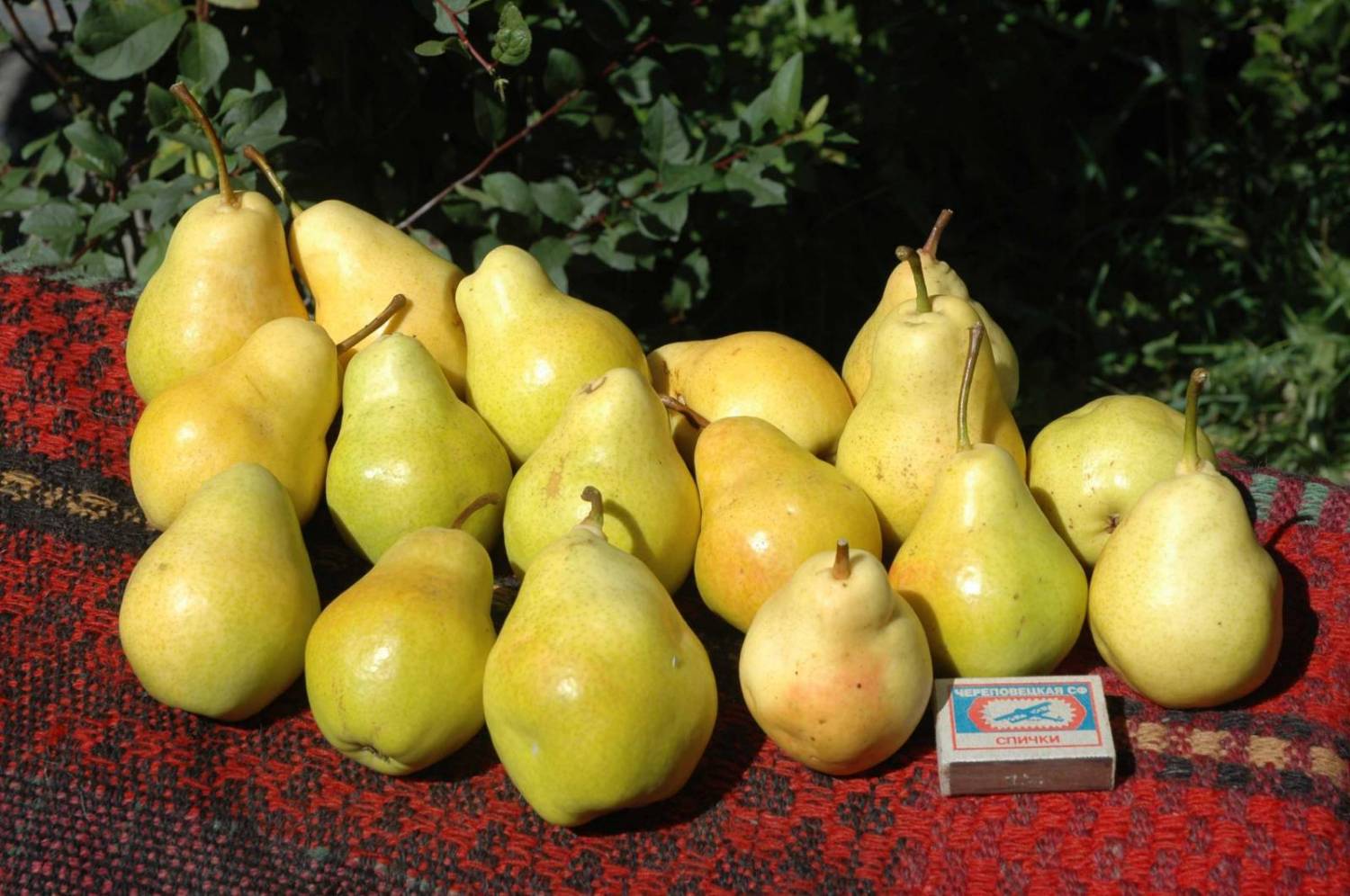
The Chizhovskaya variety's fruits are typically pear-shaped or obovate. The skin is smooth, matte, dry, and very thin. The peel is barely noticeable when eaten. The color is yellow-green. A diffuse pale pink blush is found on a few specimens.
The pulp of the fruit is medium-juicy, semi-oily, white or light yellow in color. This variety is characterized by a refreshing, sweet and sour taste. The sugar content does not exceed 9%. It has a pleasant, subtle aroma. The pear's weight at harvest maturity ranges from 110 to 140 g.
Pollination and fruiting
Chizhovskaya is a self-pollinating, early-ripening variety. However, to increase yield and enhance the fruit's flavor, cross-pollination is used. The Severyanka, Lada, and Rogneda varieties are considered the best pollinators.
The first fruits appear 3–4 years after the scion is grafted or the seedling is planted in its permanent location. Subsequently, the tree bears fruit consistently and regularly.
Productivity and scope of application
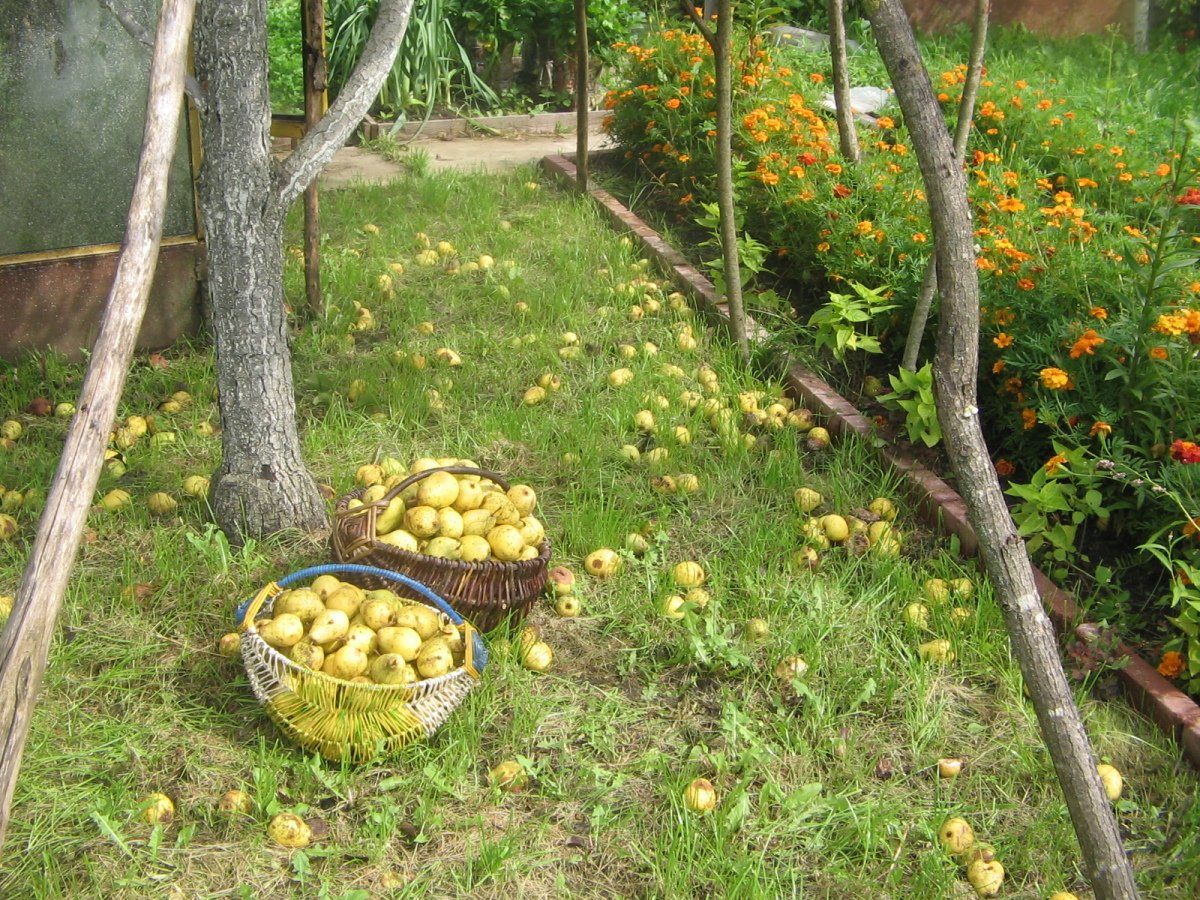
The average yield is 50 kg per mature tree. The harvested fruit is suitable for fresh consumption. Rich in pectin, this pear is recommended for gastrointestinal disorders. Furthermore, the medium-juicy fruit can be used to make juices, compotes, preserves, marmalade, and marshmallows.
-
- The weight of a ripe pear ranges from 110 to 140 g.
-
- The variety has a high yield
-
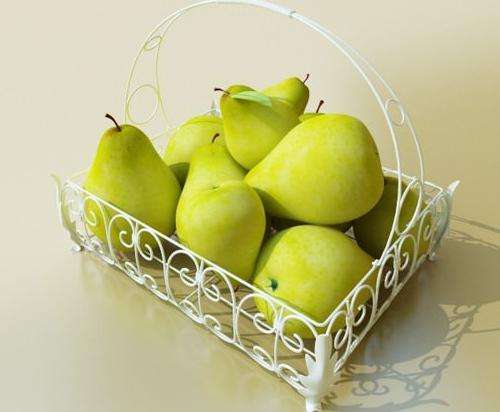
- The fruits can be eaten fresh.
Advantages and disadvantages of the variety
The Chizhovskaya pear variety can be called ideal, as it has many positive qualities.
- good adaptability to weather conditions;
- decorativeness of wood;
- early fruit bearing;
- self-pollination;
- high yield rates;
- excellent taste and commercial qualities of fruits;
- universal application;
- high winter hardiness;
- good transportability;
- long shelf life;
- resistance to scab.
- the fruit becomes smaller as the tree matures;
- the need to remove the undergrowth.
Video: "Introduction to the Chizhovskaya Pear"
This video shows what the fruits of this variety look like.
Features of cultivation and subtleties of care
The Chizhovskaya variety is considered one of the most low-maintenance varieties. Let's look at the key aspects of cultivating this fruit crop.
Selecting a site and preparing the soil
For rapid adaptation and good growth, the tree requires full sun. Chizhovskaya tolerates prolonged exposure to direct sunlight. However, wind and drafts negatively impact the plant's viability.
Heavy clay soil inhibits fruit tree development. Chizhovskaya pears are best grown in a light, fertile soil. The soil should be light and loose. For normal growth and development, the rhizome requires air and moisture. The seedling should be planted in black soil or loam with a pH of 5.5–6.5.
Selection of seedlings
It's best to buy seedlings in the fall. This is when the chances of acquiring high-quality planting material increase several times. Store the plants in a cool, semi-dark place.
One- and two-year-old seedlings root most quickly. The tree's root system should be extensive and well-developed, with the upper portion appearing healthy and free of any signs of damage to the bark.
Bookmarking the planting hole
The planting site is prepared in the fall, and the seedling is planted in open ground in the spring. This procedure should be completed before the active sap flow begins.
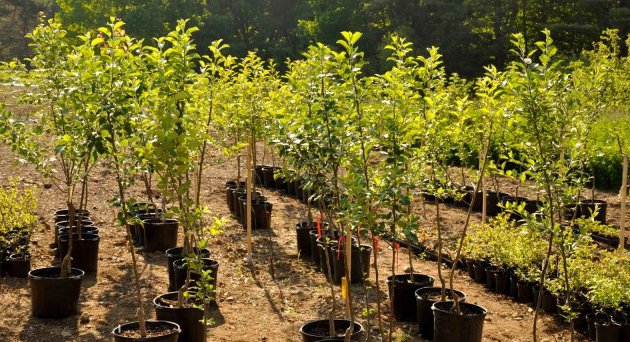
The average hole diameter is 60 cm, and the depth is approximately 100 cm. The bottom of the planting hole must be lined with drainage material to remove excess moisture. The soil is mixed with two buckets of river sand and humus, and 200 g of superphosphate and one-third cup of potassium sulfate are added.
When rooting a seedling, monitor the condition and position of the root shoots. Bends and kinks will reduce the plant's survival rate. Do not bury the root collar deep. After planting, water the tree generously around the edges of the trunk circle.
Watering and fertilizing
The variety's drought tolerance is average. Insufficient moisture causes the tree to lose its decorative qualities and fruiting to decline. During its first year, Chizhovskaya pears are watered every 7-10 days. As the fruit tree matures, watering frequency decreases. A mature pear tree requires 3-4 waterings per season.
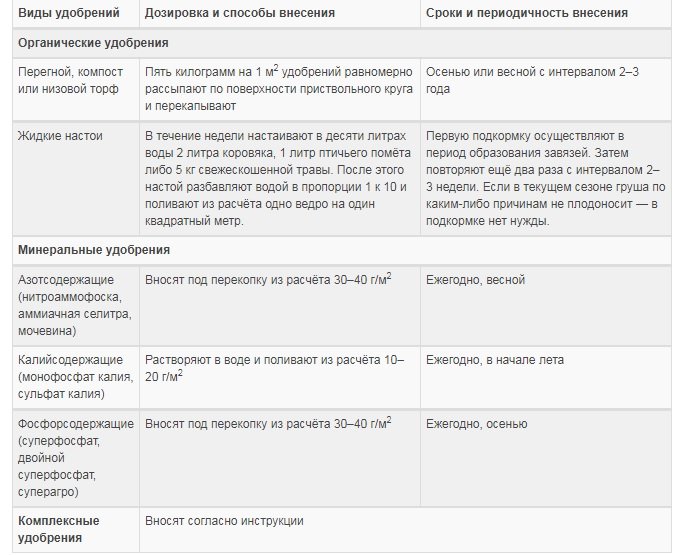
Adding nutrients to the soil promotes increased yield and improved fruit flavor. Below is an optimal fertilizing plan for the Chizhovskaya pear:
Crown shaping options
Pruning is a necessary step in pear tree care. Every fall, sanitary pruning is performed, removing damaged, broken, and dried branches. In the spring, crown shaping is performed. To prevent the crown from becoming too dense, inward-growing branches are cut back to the ground. Summer pruning involves periodic crown inspection and the removal of dried or wind-broken branches.
Any shoots growing below the graft should be removed. Otherwise, the wild shoots will begin to "invade" the crown. Over time, the wild shoots can completely displace the cultivated shoots.
Preparing for winter
This variety is winter-hardy and doesn't require winter protection. Experienced gardeners recommend insulating one- and two-year-old seedlings, whose bark hasn't yet adapted to cold and frost.
Don't forget to protect the plant from hares and rodents searching for food during the cold winter. Trunks and low-growing branches should be wrapped in spunbond.
Diseases and pests of the variety
One of the variety's advantages is its high resistance to scab. However, the Chizhovskaya pear can be susceptible to rust and fruit rot. If red or orange spots appear on the leaves—signs of rust—the tree's crown should be treated with "Hom." Spraying with a 1% solution of copper sulfate or Bordeaux mixture will help prevent fruit rot.
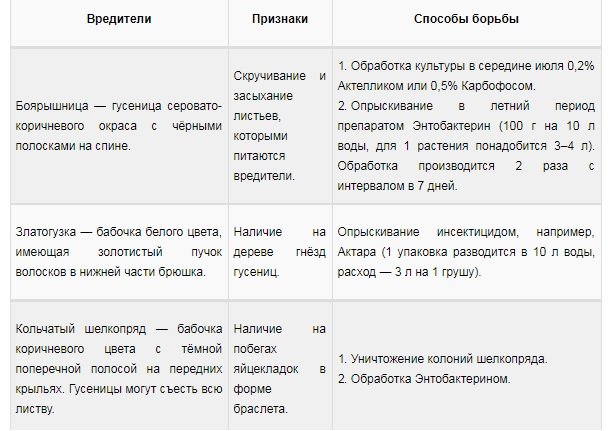
The main pests of this variety are the hawthorn moth, the goldentail moth, and the ringed silkworm. Signs of insect presence and effective control methods are presented in the table below:
Reviews from gardeners
"We have a Chizhovskaya pear tree growing on our property, inherited from the previous owners. The plant overwinters well, is disease-free, and, most importantly, delights us with a bountiful harvest of delicious fruit every year."
"Last winter, our pear tree almost died. It turns out the frost-hardy Chizhovskaya variety doesn't like sudden temperature fluctuations. Now I'll definitely be insulating the plant for the winter."
The high-yielding Chizhovskaya pear is a popular choice among gardeners. Easy to care for, resistant to extreme weather conditions, diseases, and pests, and a bountiful harvest of delicious and healthy fruit—what more could you ask for?