
Choosing a pear variety and planting it in spring in the Moscow region
Content
Selecting a variety for a region
When choosing spring for planting, keep in mind that you'll have limited time to complete all the work. This period should be chosen when frosts have passed and the leaves have not yet appeared on the trees. The Moscow region's climate is characterized by early frosts.
Summers here are hot, and winters are cold. To ensure your pear tree produces an abundance of fruit, you need to choose the right varieties. Pears for the Moscow region must ripen very quickly and be as frost-resistant as possible. Gardeners do not recommend planting winter varieties.
Lada and Chizhovskaya are an excellent choice for residents of the Moscow region. Even a novice gardener can care for them. Each year, these pear trees will delight you with an abundance of fragrant and delicious fruit.
The Cathedral pear will bear fruit by early August. This versatile, frost-hardy variety boasts good immunity, ensuring regular fruiting. You can not only enjoy the delicious and juicy fruits fresh, but also prepare a variety of canned desserts for the winter.
The Kosmicheskaya pear also ripens by August. It has a high yield, is resistant to scab, and requires little maintenance. A characteristic of summer varieties is their shelf life of only two weeks. However, if the harvested fruit is stored in a cool place, it will remain fresh for another 40 days.
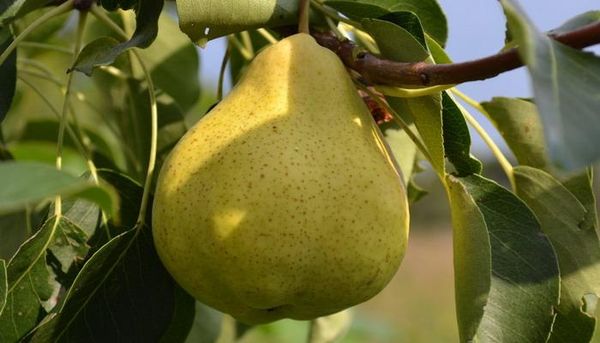
Naryadnaya Efimova is the most popular autumn variety. Looking at the rosy fruits, it's hard to resist trying one. This variety has excellent flavor. Its drawbacks include low frost resistance. However, if the tree receives proper care in the fall, everything will be fine and the pear will delight you with juicy fruit. Like all autumn varieties, Naryadnaya Efimova is not an early ripening variety, but its shelf life is comparable to winter varieties.
The Otradnenskaya variety will delight homeowners with a harvest in four years. The fruits ripen in late September and can be stored for about 120 days. They are especially good for canning. The jam is simply delicious! The autumn variety Velesa will delight you with its huge fruits that stay fresh for two months.
Landing features
Columnar pear varieties are suitable for smaller plots. Growing these varieties is ideal if you have a small garden. Planting and caring for this pear variety has some special considerations. After digging a hole, pour a bucket of warm water into it.
Once the soil has completely absorbed, add a bucket of compost and twice as much sand. When digging the hole, the top layer (called the fertile soil) is mixed with 0.1 kg of potassium sulfate, and the excavated soil is then combined with 0.2 kg of superphosphate. After mixing the two mixtures, they are poured into the hole, covering the roots of the columnar pear.
So, we've already established that young trees should be planted before the hot weather sets in. This is typically around late April or early May. During this time, the seedlings take root, grow stronger, and prepare for winter. Many people are wondering: how to choose the right planting site? According to expert recommendations, young trees should be planted in hilly areas, sheltered from the wind and well-drained.
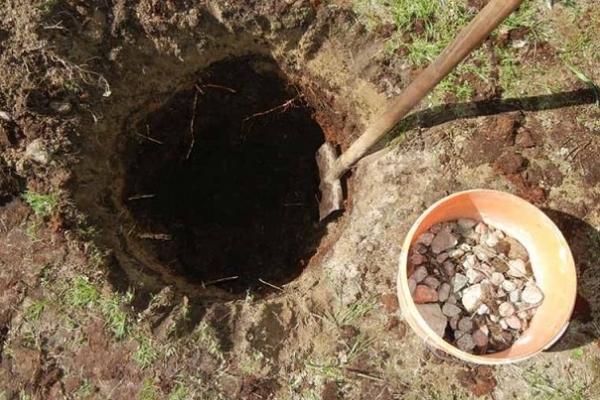
The hole is prepared in advance. Ideally, six months in advance. If that doesn't work out, then a month in advance. The planting pattern varies depending on the variety. The optimal distance between pear trees is 4 meters. Let's continue our discussion about how to plant trees.
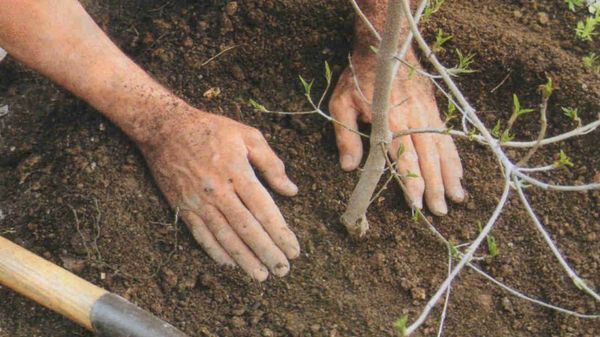
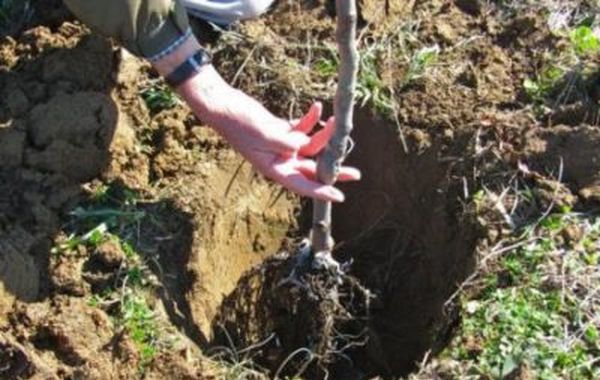
Once the hole is ready, we begin preparing the seedling. We remove all damaged branches. We drive a stake into the center of the hole. We make a mound of soil in the center and place the seedling on it. We spread the root system and cover it with soil.
Make sure the root collar is above the ground. Shake the seedling periodically during planting to remove any air pockets. Cover and compact the soil around the seedling. Finally, water and add a thin layer of compost. This will help retain moisture in the soil.
A young tree requires careful care. To prevent oxygen deficiency, which will affect the tree's health and appearance, the soil should be loosened regularly. Pear trees thrive in moisture, but avoid waterlogging around the roots. This "waterlogging" of the soil around the trunk can lead to root rot. If autumn rainfall is insufficient, the young tree should be watered.
Preparing for winter
Pear trees are at risk at low temperatures, so it's important to protect them as much as possible. There are two ways to do this:
- mulching with hay and sawdust;
- covering the root zone with burlap and sawdust.
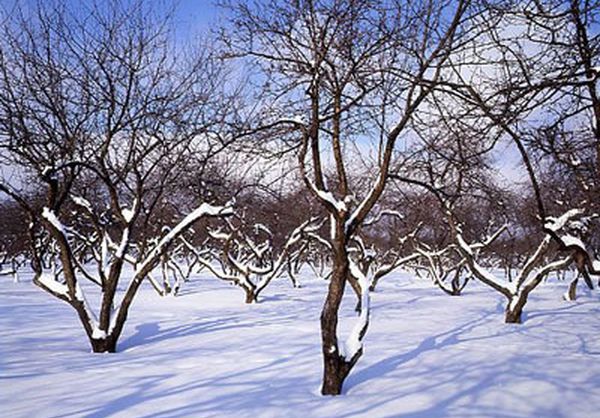
To prevent severe frosts from damaging the pear tree, you can build a canopy over it from agril.
Pear trees also need to be protected from rodents—mice and hares are especially fond of the bark. To do this, the trunk should be whitewashed with chalk. Additionally, fences made of branches and mesh are placed around the tree. Pear tree owners should remember that the first year is crucial. The development of the orchard depends on how well you carry out all the necessary procedures. Knowing the specifics of spring pear planting will make growing an orchard in the Moscow region much easier.
Video: Planting a Pear Tree
This video will show you how to plant a pear tree correctly.