
The best pear varieties and their planting in the Leningrad region
Content
The best varieties for the region
Given the region's unique characteristics, growing pears in the Leningrad Region is quite challenging. To ensure proper growth and development, it's essential to select cold-resistant varieties with varying ripening times, cultivated in regions with similar climate conditions (temperature, precipitation, daylight hours) and soil types, such as the Vologda Region.
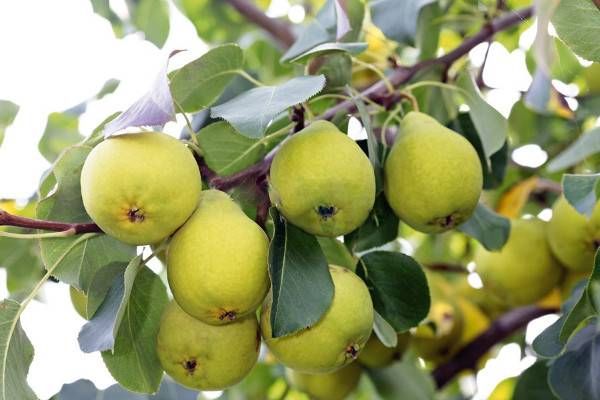
The best varieties suitable for cultivation in a given region must possess a number of qualities: a robust pyramidal or columnar crown, mid-season flowering, winter hardiness and resistance to fungal infections and pests, and fruit with excellent shelf life and cold tolerance. Based on these characteristics, pear varieties such as Prosto Maria, Pavlovskaya, Pushkinskaya, Chizhovskaya, Severyanka, and Kordonovka are ideal.
Landing rules
First, you need to choose the right soil. Clay isn't suitable for pear trees, as water will accumulate in the hole, and over time, the tree's root system will begin to rot. You should also choose a location that is as protected as possible from drafts and northerly winds.
You can plant a pear tree both in spring and in autumn. Experienced gardeners prefer the fall, when the leaves have already fallen from the young trees and the vital sap has slowed. The tree should take root, but not begin to grow. Planting pear trees in the Leningrad Region in spring can be complicated by undesirable, damp frosts, which are very dangerous for the seedlings.
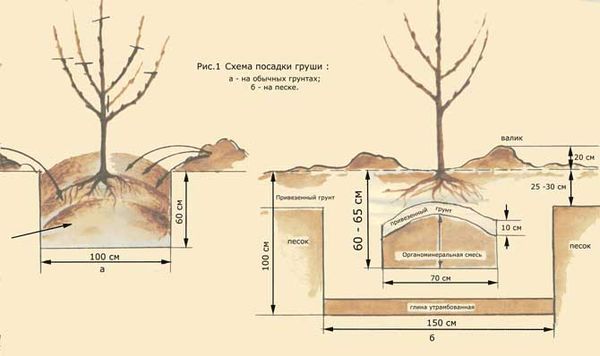
The main thing is to plan a site for the tree in advance. The desired area should be dug and the soil fertilized with organic and mineral fertilizers. This should be done either in late summer or early fall. A complex mixture of superphosphate, potassium, and manure is ideal for the soil.
As with other fruit trees, it's best to choose a healthy, strong, two-year-old tree with a well-developed root system for planting. Before planting, carefully inspect the roots for damage. If they're slightly dry, soak them in a clay solution for 24 hours.
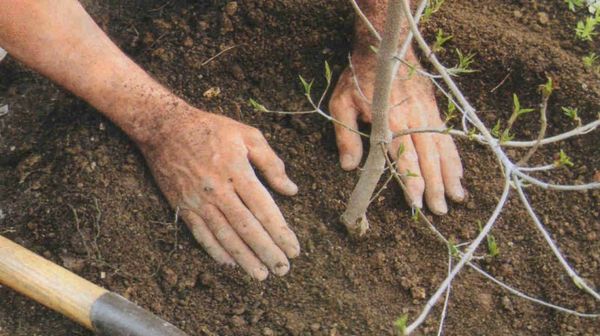
The hole size is determined by the size of the root system, but should be at least 1 m in diameter and 70 cm deep. A support stake should be driven into the hole to prevent hurricane-force winds (quite common in the region) from breaking the seedling. Place the tree in the hole, gently spreading out the roots. Cover with soil, but do not compact it. Compacting the soil around the tree can be done at the very end. After planting, water the tree in the grooves around the trunk and apply mulch.
Care
Pear varieties bred for regions with similar climates don't require special care. However, neglecting this is also crucial, as it can lead to a poor harvest.
Watering and fertilizing
Since rainfall in the region is frequent, and specially bred varieties are drought-resistant, pears don't require much watering. Generally, 10 liters every 7-8 days is sufficient. Young trees require more water after planting, and all pears require more water during periods of drought and hot weather. Fertilize pear trees according to the growing season and the tree's age.
In spring, complex fertilizers containing nitrogen are applied, and before wintering, phosphorus-potassium fertilizers are applied.
Fertilizers are best applied in conjunction with irrigation: pour liquid fertilizers into the tree's trunk grooves. It's important to remember that during the fruiting period, it's best to avoid organic fertilizers and apply only organic ones.
Pruning and shaping
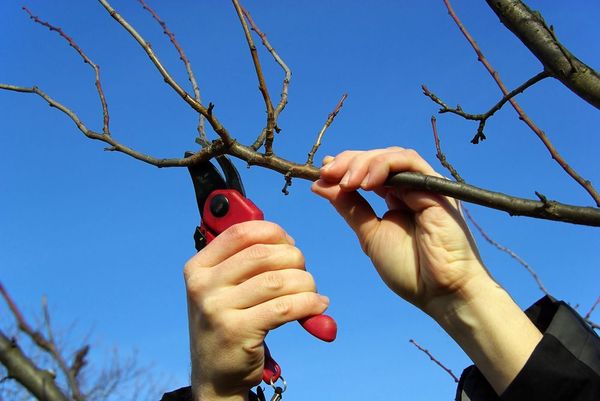
Tree pruning serves several purposes: to shape the crown, to promote the emergence of new young shoots, to ensure ventilation and light penetration to branches at all levels, and to prevent overcrowding and the spread of pests and diseases. Depending on the tree's shape (pyramidal, columnar, oval), there are specific pruning patterns based on the year. Trees naturally shape their crowns; the gardener simply needs to help them do so.
Regular pruning not only helps create a semi-skeleton and organize branches, but also strengthens fruit-bearing branches. You can choose the crown shape according to your personal preferences, but removing old, dried, and diseased branches is essential.
To avoid harming the tree, formative pruning should be carried out during periods of bud dormancy – early spring or late autumn.
Protection from diseases and pests
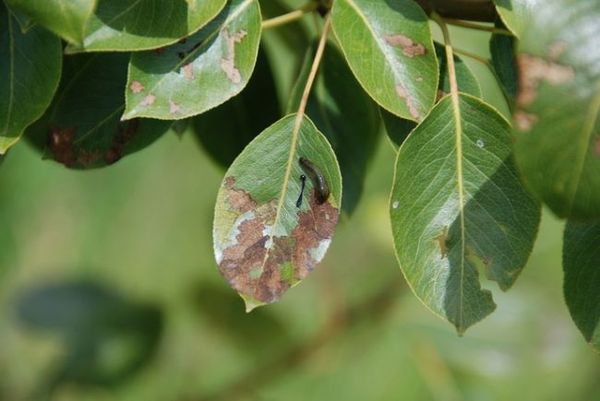
When breeders develop a particular variety, they strive to make the tree as resistant to diseases and pests as possible. Most pears grown in the Leningrad Region are resistant to pests and diseases. However, the trees that produce the most delicious fruit often suffer from them. Due to the region's high rainfall, the trees are most susceptible to scab and rot. To prevent this, it's important to monitor the frequency of watering and, at the first sign of disease, remove and burn the affected parts of the tree.
Periodic spraying with copper-containing products, ash solutions, and Bordeaux mixture will help prevent fungal diseases. The use of fungicides is also recommended. Timely removal of dead bark, rotten fruit, and spider webs will help prevent the appearance of pests. Preventative insecticide treatments are recommended before and after flowering.
Difficulties of growing
The main problem with growing pears is the soil's unsuitability. The predominance of clay and sand makes it virtually infertile, reduces nutrients to a minimum, and retains moisture poorly. Peatlands are occasionally found, which are more suitable for pear trees, but their acidity is not suitable for all trees.
Of course, you can fertilize the soil with general-purpose fertilizers, and wood ash can help reduce acidity. To withstand cold climates, pear trees must be frost-hardy. Therefore, we recommend carefully studying the characteristics of each variety before choosing it.
Video: "Pear Tree Planting Guidelines"
This video will show you how to plant a pear tree correctly.