
Secrets to Successfully Growing the Permyachka Pear
Content
Characteristics of the variety
The Permyachka pear was developed by Leonid Kotov, a breeder at the Sverdlovsk Horticultural Breeding Station. The Tema, Kosmicheskaya, and Elena varieties were crossbred. The result was a new hybrid with slightly different characteristics from its ancestors.
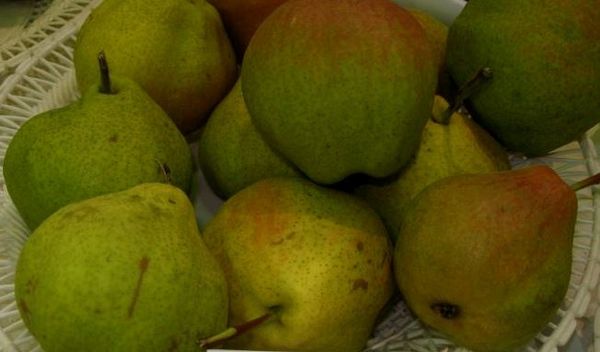
The variety description always mentions the large size of the fruit, which weighs from 130 g to up to 300 g. Permyachka pears have green skin with a soft, matte, and rough blush. The pears are round and bumpy, and the flesh is white, dense, and very sweet. The Permyachka fruit ripens in mid- to late August, and like all summer varieties, the harvested crop will not be stored for more than two weeks.
The variety's positive characteristics include early fruiting (3-4 years after planting) and high yields of large fruits. Furthermore, the trees are rarely damaged by pests and infectious diseases. The Permyachka variety isn't particularly resistant to severe frosts, but it can easily withstand spring soil freezing. Its negative aspects include a short shelf life and its inability to self-pollinate. The Severyanka variety is most often used for pollination.
Selection and planting of seedlings
Pear seedlings are purchased either from reputable private gardeners or from gardening companies whose products you trust. The seedlings should be one year old. Older trees increase the risk of failure in the new location.
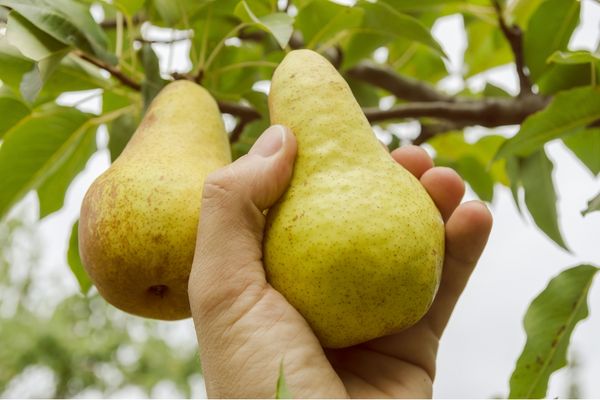
Make sure the seedling's root system is healthy, intact, and well-branched. There should be no rot, parasites, or other signs of abnormalities on the roots. Furthermore, the lower part of the trunk, beneath the bark, should be green and fresh—blackness and dryness indicate poor care and will lead to disease. There should also be no foliage on the trunk, as this will absorb some of the moisture needed for the development of a strong root system.
A slightly curved stem indicates the correct grafting method, and the grafting site should be 5–13 cm from the root collar. Until transplanting, the seedling should be kept in a bucket of soil. In the spring, you can begin planting the "material" in soil. The planting site should be well-lit, as pears are heat- and sun-loving plants. A south or southeast facing location with good sun exposure and protection from drafts is ideal. Furthermore, it's best to choose a site on a hill or away from groundwater.
Constantly washing away the root system with moisture can lead to root rot and weakening of the tree's vascular system.
As for the chemical composition, the Permian tree dislikes heavy, rotten soils, but tolerates soils with high or low acidity quite well. The hole for the tree should be dug at least a month before planting. The hole should be approximately 75 cm deep (15 cm of which should be filled with drainage and humus).
The seedling itself is planted gradually: a layer of soil should be interspersed with a layer of fertilizer (nitrogen, superphosphate, and potassium). After all layers have been filled, the soil around the seedling is weeded, and a small depression is left around the trunk for watering. The finished planting is watered with a solution of 20 liters of water and fertilizer and mulched with sawdust.
Care Features
According to the feeding area rules, the radius of the circle where fertilizer is applied increases by 20 cm with each year of plant growth. In any case, it's important to understand that fertilizer is applied not just at the base of the tree, but throughout the entire expected root system area. Fertilizers are applied seasonally. Nitrogen fertilizers are left in place during foliage development (winter and spring). Phosphate and potassium fertilizers are needed for fruit development, so they are applied in summer and winter.
Humus, peat, and various organic matter are always beneficial. It's important to remember to weed the soil after each application of fertilizer, applied as a water solution for irrigation. Watering (25-30 liters) should be done every eight days in the summer, and once every ten days during the rest of the year. Spring pruning is also important, as it shapes the crown, removes diseased and old branches, removes overcrowding, and slightly shortens any overly long second- and third-order branches.
When caring for the pear tree, it's important to protect it from pests and frost. Preventative measures include planting the Permyachka tree away from rowan trees and treating the trunk with pesticides. To prevent the development of harmful insects, fallen leaves should be collected and burned.
Video: Planting a Pear Tree
This video will show you how to plant a pear tree correctly.