
Rules for planting and growing the Nika pear variety
Content
Characteristics of the variety
Let's begin our acquaintance with the Nika pear with the variety's origin story. This new fruit crop was developed at the I.V. Michurin All-Russian Research Institute of Horticulture by crossing the "Doch Dawn" and "Talgarskaya Krasavitsa" varieties. The originators are credited to a group of breeders, including S.P. Yakovleva, I.A. Bandurko, and V.V. Chivilev. Since 2002, this variety has been zoned primarily in the Central Black Earth Economic Region.
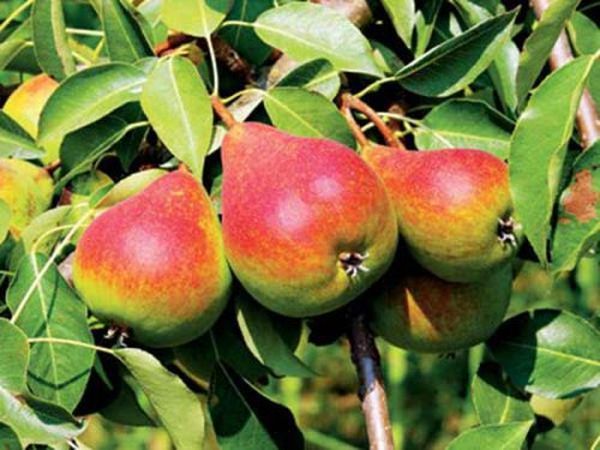
According to the variety description, the Nika pear is a medium-sized tree. The crown is spherical, with sparse, firmly fused skeletal branches. The shoots are medium thick, and the bark is smooth and richly brown. The leaves are beautiful, dark green, oblong or rounded, with pointed tips and slightly curved. The upper surface of the leaf is glossy and delicately veined.
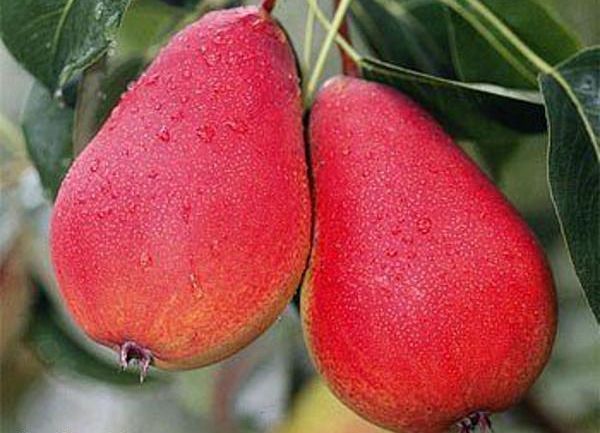
The fruits are medium to large in size. A ripe pear weighs between 130 and 200 grams. When ripe, the fruit is pear-shaped, without noticeable lumps or dents. The skin has a light waxy coating, which helps the fruit keep longer. When picked from the tree, the skin is yellowish-green with small red spots. As the fruit ripens, the color changes to light yellow, with a brownish-red blush covering most of the fruit.
Nika pears can be eaten raw, but they can also be used to make pear juice, fruit drink, jam, and preserves.
Planting seedlings
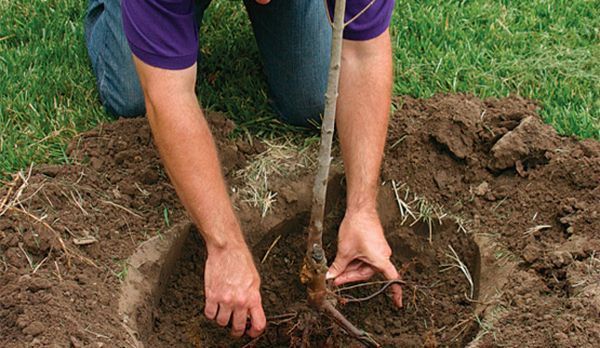
To plant a Nika pear tree, choose an open, well-lit area of the garden. The plant isn't picky about soil, but it establishes quickly and grows well in loamy or sandy loam soil. Avoid areas with a high water table. If the tree's roots are constantly in wet soil, they will rot, quickly killing the pear.
It is recommended to prepare the planting hole in advance; organic and potassium-phosphate fertilizers are added to the soil.
When planting, choose one- or two-year-old seedlings, which adapt more quickly to a new location. Pay attention to the condition of the root system, and be sure to remove any damaged, broken, or rotted roots.
Not sure when to plant a pear tree? The best time to do so is in the spring (last ten days of April to early May) or fall (late September to first week of October).
Features of cultivation
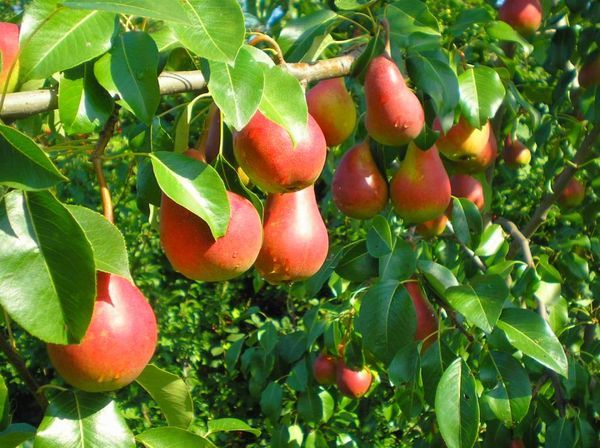
The Nika variety is one of the least demanding in terms of care. It requires watering, frequent soil loosening to allow water and oxygen to reach the roots, and periodic inspection for signs of various diseases or insect pests. The pear is highly resistant to scab. To prevent disease, it is recommended to perform sanitary pruning of the crown and whitewash the trunk and base of skeletal branches.
Gardeners note that the Nika pear tree requires annual formative pruning. If young shoots are not pruned, the tree devotes all its energy to growth, resulting in a heavily overgrown crown and deteriorating fruit quality. This characteristic of the fruit tree is one of the Nika variety's negative characteristics.
It is better to shape the crown in the spring; wounds are treated with garden pitch or oil paint.
Advantages and disadvantages of the variety
Not sure if the Nika pear is suitable for growing in your garden? The positive and negative characteristics of this fruit variety will help you make the right decision.
Advantages:
- consistently high fruiting;
- good frost resistance allows it to adapt to any weather and climate conditions;
- rapid independent recovery in case of minor frostbite of branches;
- excellent transportability;
- resistance to diseases typical for pear trees;
- attractive appearance of fruits and excellent taste.
Flaws:
- low early fruiting (the pear tree produces its first harvest 5–6 years after planting);
- partial self-fertility (to increase fruiting, pollinator varieties that bloom at the same time as the Nika pear will be needed);
- need for frequent crown shaping.
Video: "Pear Tree Planting Guidelines"
This video will show you how to plant a pear tree in your garden.