
Description and cultivation features of the Nezhnost pear
Content
Characteristics of the variety
The pear tree with the beautiful and romantic name "Tenderness" was bred at the I.V. Michurin All-Russian Research Institute of Fruit Growing by crossing the pear varieties "Tema" and "Lyubimitsa Kappa." The originators of this new cultivar were renowned breeders Pavel Yakovlev and his son Stanislav Yakovlev.
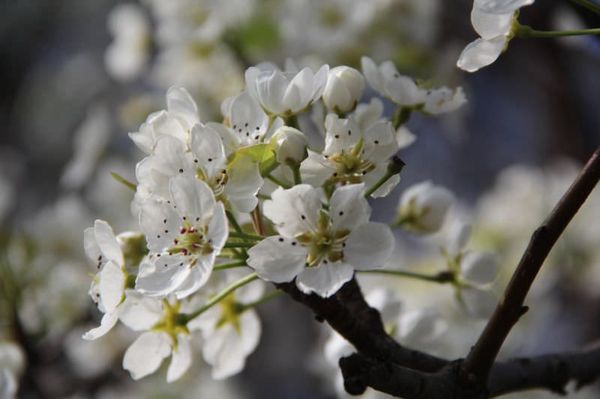
This variety is intended for cultivation in central Russia. Today, the Nezhnost pear is also cultivated in harsher climates. It is widely grown in the Ryazan, Tambov, Kaluga, Ulyanovsk, Tula, Kuibyshev, and Chelyabinsk regions, as well as in the Moscow region.
The columnar pear "Nezhnost" belongs to the group of vigorous fruit trees. The tree's crown is sparse and pyramidal in shape. The skeletal branches are massive, extending from the trunk at an obtuse angle. Branching is sparse. The bark of the trunk and branches is brown. This pear variety is characterized by dark green, oval-shaped leaves with pointed tips. The outer surface of the leaves is glossy.
After studying the characteristics of the Nezhnost variety, any gardener or summer resident is interested in the description of the fruit. The average weight of a ripe pear ranges from 150 to 200 grams. The broadly oval shape of the fruit is distinguished by its large size. At the initial stage of ripening, the skin is bright green, gradually changing to a rich greenish-yellow and acquiring a tinge of pink. The peculiarity of this variety is that the blush always forms on the sunny side.
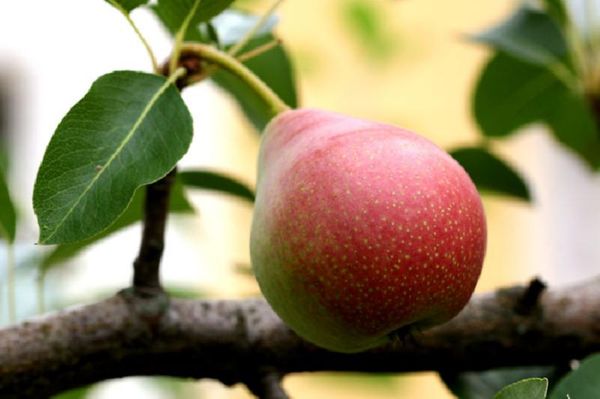
The Nezhnost variety boasts amazing flavor: the fruits are sweet with a pleasant hint of tartness. The flesh is buttery and grainy. The harvest period is late August or early September.
Planting seedlings
It's best to plant a pear seedling in the spring, but you can choose a site and prepare the planting hole in the fall. For the Nezhnost variety, choose a sunny, draft-free spot in the garden. Pay attention to the groundwater level—the pear tree doesn't like being overwatered.
The planting hole should be at least 70 x 100 cm. Before planting, soak the seedling's roots for 24 hours to promote better adaptation and establishment in the new soil. Experienced gardeners recommend liming the planting hole to prevent fungal infections. The soil from the hole is mixed with sand, organic matter, and potassium-phosphate fertilizers.
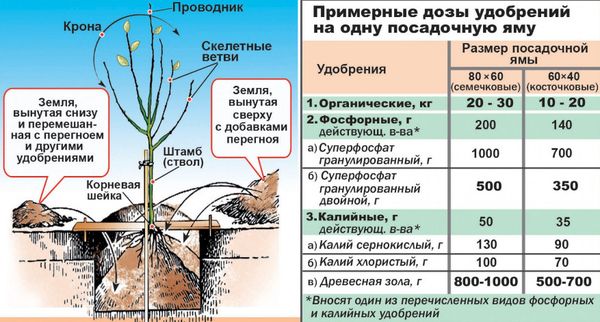
The final stage of planting includes abundant watering and mulching the soil with humus, sawdust or chopped wood.
Caring for a pear tree
To grow and harvest a good fruit crop, it is necessary to provide the tree with proper care.
Although the Nezhnost pear variety is resistant to fungal diseases and insect pests, annual preventative spraying and treatment are recommended. This crop is very sensitive to drought, so be sure to water it thoroughly on a regular basis. After each watering, loosen the soil to allow oxygen to enter.
Pros and cons of the variety
The Nezhnost pear variety has been cultivated for quite a long period of time, meaning gardeners have had the opportunity to thoroughly study all the advantages and disadvantages of this fruit tree.
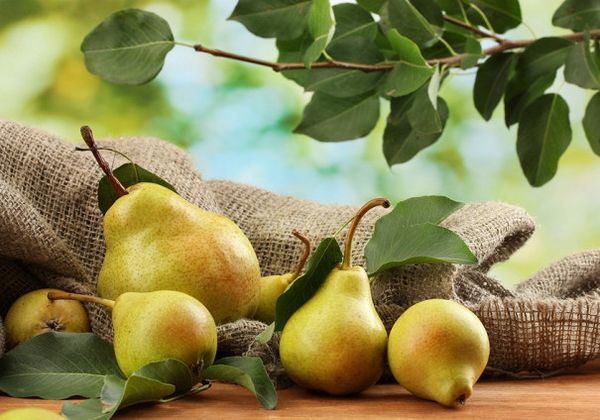
Before purchasing a pear seedling, we recommend that you familiarize yourself with and analyze all the positive and negative characteristics of the variety.
Pros:
- compactness of the fruit tree;
- excellent frost resistance (can withstand temperatures down to -40 degrees Celsius);
- self-fertile crop (however, to improve yields it requires pollinators);
- consistently high fruit yield (during the harvest period, about 40–45 kg of fruit are harvested from one adult tree);
- ease of care;
- high level of resistance to fungal diseases;
- excellent gastronomic qualities of fruits;
- a universal table pear variety (eaten raw, used in baking, and also for making compotes, juices, jams, and preserves).
Cons:
- short shelf life of the crop after harvesting (approximately one month);
- the need for more thorough watering during the dry season.
Video: Caring for Fruit Trees
In this video, a specialist will tell you how to care for fruit trees in your garden.