
Characteristics of the early autumn pear variety Naryadnaya Efimova
Content
Description of the variety
In 1936, at the All-Russian Selection and Technological Institute of Horticulture and Nursery, breeder Viktor Efimov succeeded in crossing the Lyubimitsa Klappa pear with the Tonkovetka variety. The new fruit was named after its originator – the Naryadnaya Efimov pear.
It is grown in the Moscow, Smolensk, Bryansk, Ryazan, Tula, Oryol, and Kaluga regions. The pear's high consumer and commercial qualities have been recognized internationally. The Naryadnaya Efimova variety, which participated in the 1989 International Agricultural Exhibition (Erfurt, Germany), was awarded the highest award—a gold medal.
The fruit tree is self-fertile. However, to increase the yield, it's best to plant pollinator varieties: Moskvichka, Lyubimitsa Yakovleva, Mramornaya, Bergamot Osenniy, and Bessemyanka.
The Efimova Elegant pear bears fruit late; the first harvest is collected in the 7th–8th year of the tree’s life. Subsequently, it produces a consistently high yield. A single mature tree can yield approximately 40 kg of fruit. This variety is a late-summer or early-autumn variety, harvested in late August and early September. Harvesting begins when the fruit first begins to blush. The ripening period lasts 2–3 weeks. If left to ripen on the tree, the pears lose their flavor.
Characteristics of the tree and fruits
What does the Efimova Naryadnaya pear tree look like? This description of the variety allows you to get to know this fruit tree firsthand and decide if you want to have this plant in your garden.
The Efimov variety is considered a vigorous pear tree. The crown is pyramidal, moderately dense. Skeletal branches grow at a right angle to the trunk. The bark is glossy, smooth, and gray. The shoots are straight, with no branch curvature. The bark on young branches has a rich, russet hue.
The leaves are large, round, and slightly pointed at the tip. The color is bright green with glossy highlights. According to the variety description, the size and shape of the leaves are considered one of the key characteristics of this fruit tree.
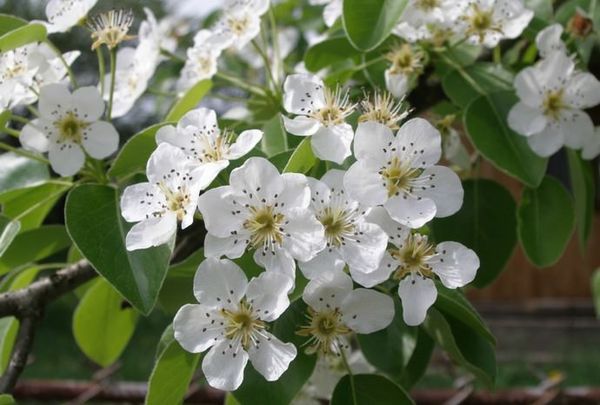
During flowering, the pear tree is covered with snow-white flowers that exude a divine aroma.
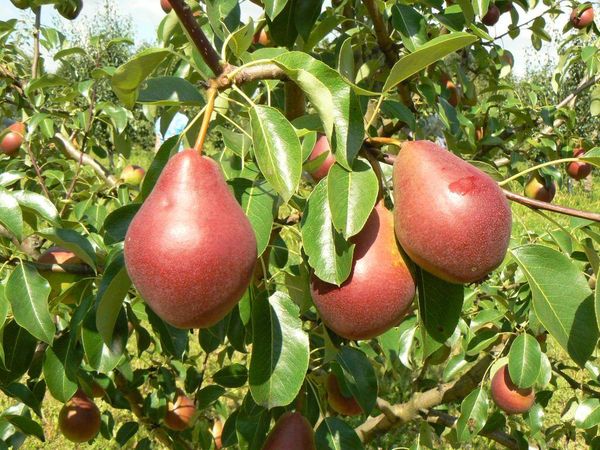
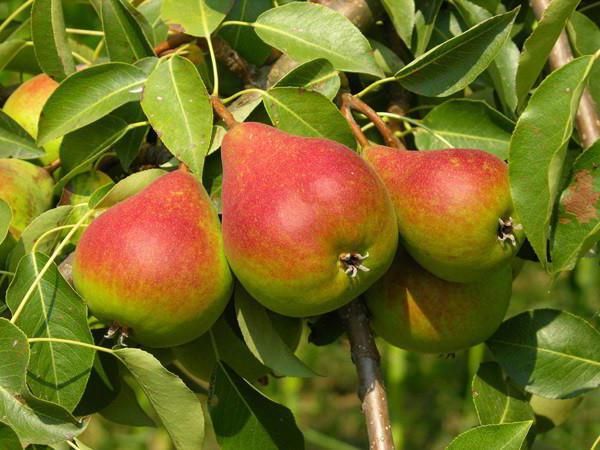
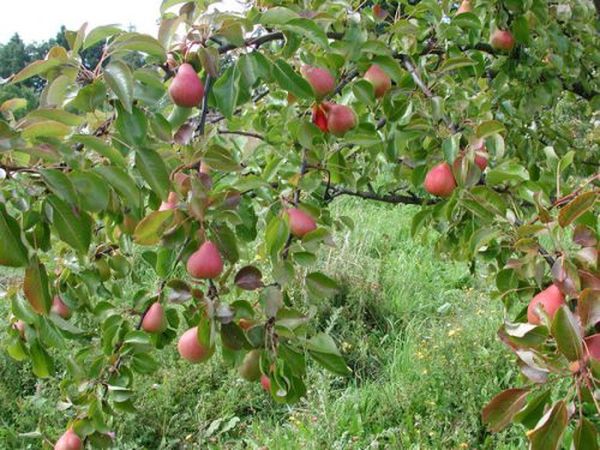
Many beginning gardeners are curious about the etymology of this variety's name. Why "smart"? This name was given to the cultivar for the aesthetic appearance of its fruits. The fruits are characterized by a regular and uniform shape, as well as a beautiful, uniform skin color. The average fruit weight is 90–120 g.
At harvest, the fruit's skin is green with a large purple blush. As it ripens, the skin turns yellow, and the blush deepens to a rich red. The whitish-cream flesh has a firm, semi-oily texture. The fruit's flavor is sweet and sour, with a slight tartness.
Growing and care
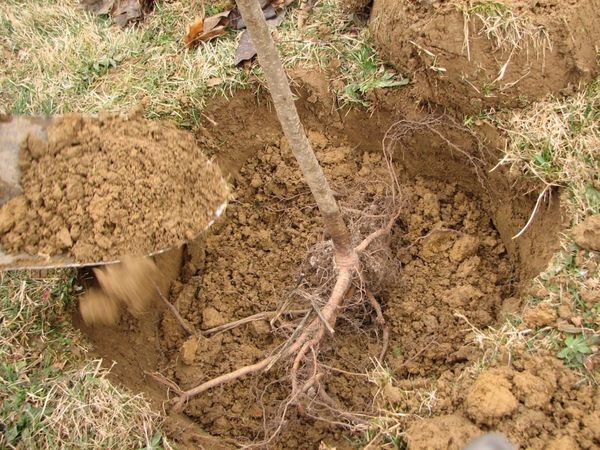
The pear tree's unique feature is that it requires little maintenance. Proper planting and careful care will ensure you'll enjoy a bountiful harvest of incredibly delicious pears.
The main recommendations that must be followed when planting a pear seedling and subsequently caring for it include:
Landing area
Pear trees thrive and produce abundant fruit in areas with plenty of sunlight and no wind. If the plant doesn't have enough light, the fruit will be small and uneven. Try to avoid areas of the garden with high groundwater levels.
Excess moisture causes the root system to rot, which can result in the tree dying.
Soil
The Efimova "Naryadnaya" variety grows well in loose soil. Frequent loosening of the soil around the trunk provides the plant with moisture and oxygen. The tree thrives best in sandy loam or loamy soil.
Watering
A mature tree requires 30–50 liters of water per week. During droughts, it is recommended to increase the frequency of watering.
Crown formation
Annual sanitary and formative pruning of the crown is essential. This procedure removes old, dry, and damaged branches and shortens the length of young shoots.
Disease prevention
Another characteristic of the Efimov variety is its high resistance to various diseases (fruit rot, scab, and canker). Preventative spraying and treatment with special preparations are only necessary if there are diseased plants nearby.
Advantages and disadvantages
What are the positive and negative characteristics of the Efimova Elegant variety?
Pros:
- suitable for cultivation in various weather and climate conditions;
- high level of frost resistance;
- tolerates transportation well;
- excellent taste;
- fruit uniformity;
- attractive appearance of fruits.
Cons:
- low early maturity;
- difficulties in determining the time of harvest.
Video: How to Care for a Pear Tree
This video will teach you how to properly care for a pear tree in your garden.