
How far apart should pears be planted for comfortable growth?
Content
What does the distance depend on?
First, you need to properly assess the spatial conditions of your site. This fruit tree is very light-loving, so it needs to be provided with sufficient sunlight. Planting a pear tree too closely will result in dense canopy growth, which will impede normal growth and may lead to future crop failure and disease.
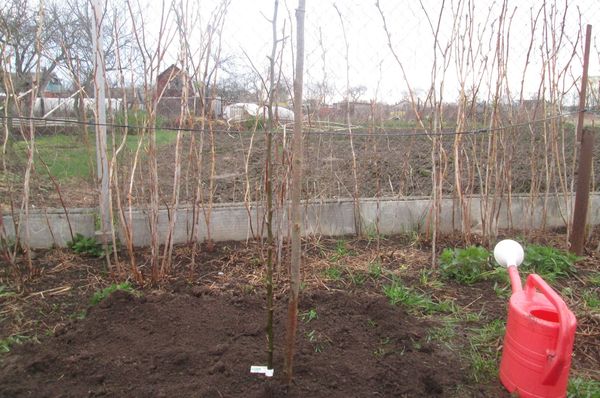
It's important to remember that this plant doesn't tolerate cold or windy conditions. Consider the distance from buildings, fences, and other objects. They can act as a shield against adverse weather conditions.
If the proximity of certain plants has a negative effect on pear trees, they will become weak and sick. This can lead to a lack of fruiting, and in some cases even death. Experts emphasize that we are dealing with a self-sterile plant. This means it is unable to pollinate on its own to produce fruit and a harvest.
Gardeners note that mechanical pollination with a brush is ineffective and will not yield results. Carefully study the varietal characteristics and select the right pollinator. The entire pollination process directly depends on the comfort of the space between fruit trees.
There are various ways to save space in your garden. When choosing the spacing between pear trees, consider planting them close to favorable species. This will not only save space in the garden but also create the perfect conditions for high-quality fruiting.
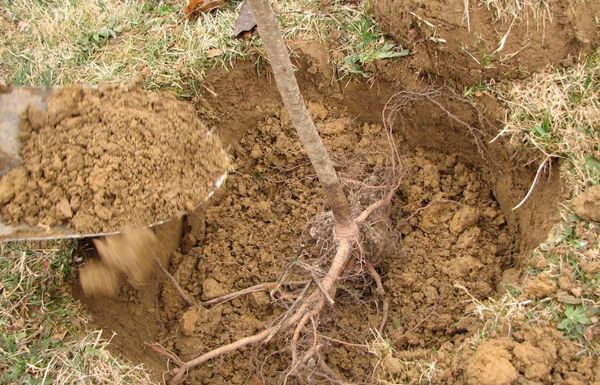
How to plant for pollination
Let's return to the fact that growing this fruit tree is directly related to its self-sterility, which means choosing the right planting material is essential. Pear trees of different varieties should be planted in the same plot so that they can pollinate each other. Experts advise carefully studying the varietal characteristics of the plants you plan to plant to select the most suitable pollinators.
It's important to remember that the spacing between seedlings of selected varieties should be as comfortable as possible to ensure proper development. Gardeners note that apple trees are excellent pollinators for pear trees, meaning apple trees are "friends" that can be safely planted next to each other. Thus, by creating a suitable neighborhood for pollination, you immediately solve the problem of fruit failure.
Nowadays, there are hybrids that don't require specific planting conditions to bloom. These are self-fertile varieties, capable of self-pollination. This, in turn, makes planting in the garden easy and saves space. These hybrids require little care, yet are just as good as other varieties.
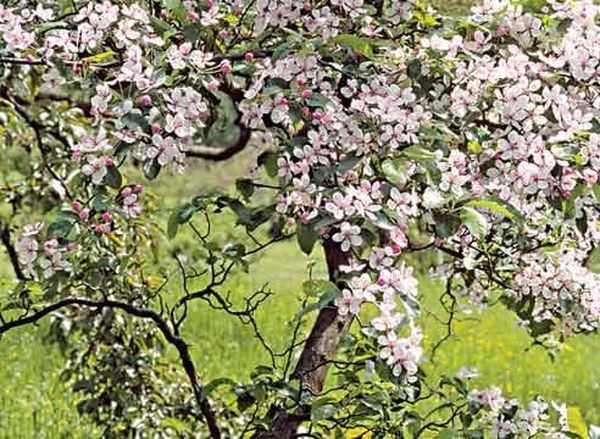
The most popular self-fertile pears are: Pamyati Yakovleva, Chizhovskaya, Banquetnaya, Ragneda.
Distance to other cultures
The appropriate distance from other crops depends on the spreading crown of your tree. Planting pears too closely will negatively impact growth. Experts strongly recommend planting apple trees nearby. This partnership significantly increases yield. When planting, consider the size of the trees, as their crowns often develop into quite large ones.
You can plant fir or pine trees nearby, and thuja is also a good choice. It won't conflict with rowan trees. As for growing crops directly next to the trunk, peppers and tomatoes are favored in this location. Plus, these vegetables are less susceptible to insect attacks.
It's not recommended to plant them near peaches, walnuts, and chestnuts. Bushy plants like raspberries and currants will cause damage. Avoid growing potatoes nearby. Planting stone fruits like cherries and plums will harm pome pears.
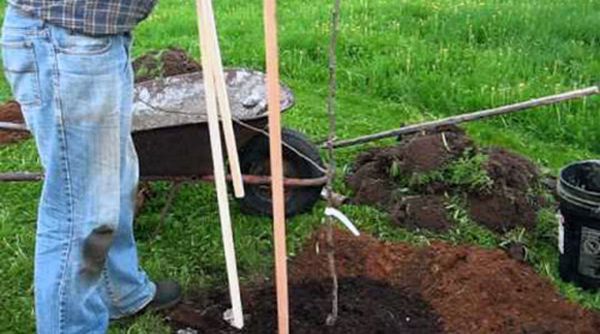
Optimal scheme
Since the trees will be enjoyed for a long time (25 years or more), garden planning is extremely important. Pear trees are very sensitive to transplanting, so it's important to immediately select the plant for its permanent location. Soil quality and its characteristics are key factors for a successful planting.
Planting holes for pear seedlings in the spring are prepared in the fall. For fall planting, the soil is prepared about a month in advance. The hole size is chosen based on the root system of the seedlings. Typically, the hole is about a meter in diameter and about 60 cm deep.
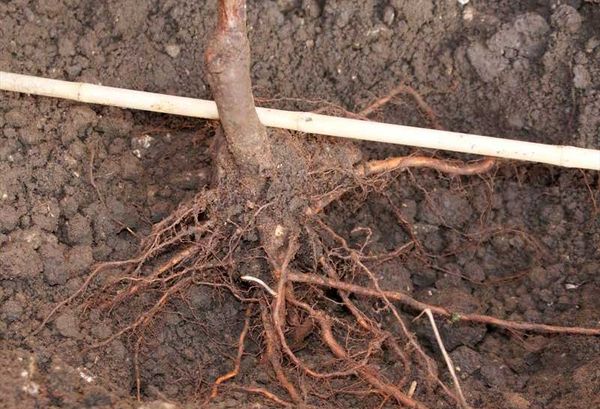
The most important thing is that the roots are comfortably spread out, not bent or broken. Groundwater levels are particularly important. Therefore, it is recommended to place a layer of slate on the bottom to prevent roots from growing deeper into the soil.
The spacing and distance between plants should be determined based on the variety's characteristics. It's recommended to leave at least 5 meters. If the crown is intended to be rounded in the future, leave at least 7 meters between them. It's important to keep no more than 10-15 meters between pollinated plants, otherwise fruiting problems will occur in the future. The same distance should be maintained from buildings and structures on your property.
There should be 3 to 4 meters between trees in a row. If growing dwarf varieties, the spacing can be reduced by 1 to 1.5 meters. To save space, peppers and tomatoes can be grown directly next to the pear tree trunks. Plan your garden according to all the recommendations of experienced gardeners and achieve the desired results!
Video: "Placing a Pear Tree in the Garden"
This video will show you where a pear tree should grow to produce sweet and juicy fruit.