
In what year after planting does a pear tree bloom and bear fruit?
Content
What do the deadlines depend on?
It's impossible to pinpoint the exact age or time when a pear tree begins to bear fruit—it varies from variety to variety. Some pears (Pamyati Yakovleva, Bere Moskovskaya, Severyanka) produce their first harvest after 3–4 years, others after 5–6 years (Dubovskaya Rannyaya, Avgustinka, Talitsa), and some as early as 6–7 years (Williams, Lesnaya Krasavitsa, Bere Giffard). There are also some that take 8–10 years to bear fruit (Tonkovetka). This period is necessary for the tree to establish itself in its new location, grow, and become strong.
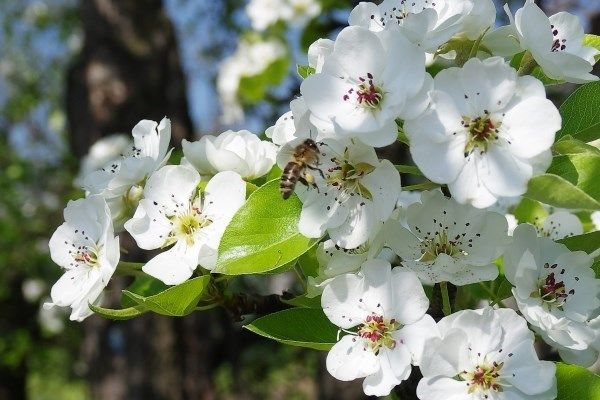
However, pear fruiting depends not only on varietal characteristics, but also on many external factors:
- Soil quality. Pears are quite demanding when it comes to soil composition. Fertile soils usually produce fruit without any problems. However, owners of less-than-perfect soil may have to mix different soils and add fertilizer to the planting hole to improve the situation.
- Acidity is also important for pear trees. Acidic soil will cause the tree to become diseased, so it's important to check the pH and adjust it if necessary. Overwatering also negatively impacts pear trees. If the groundwater level is too low, the roots will rot, which will affect flowering and fruit production.
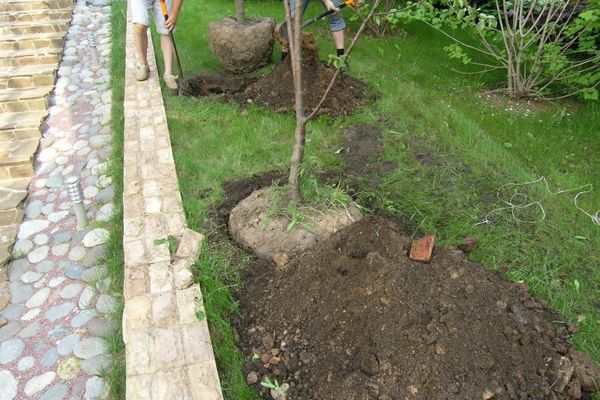
- incorrect planting or replanting. Pear, unlike other fruit trees, can take a long time to establish itself in a new location, as transplantation is very stressful for it. Transplanting is especially damaging to mature seedlings or mature trees. Another reason a pear tree fails to produce fruit is planting the root collar too deeply, or too shallowly, a common mistake among novice gardeners. Such a tree needs to be saved: depending on the situation, rake the soil away from the root collar or use a shovel to fill in the missing soil around the tree;
- Low temperatures. Pears are less frost-resistant than apple trees, and their flowering begins earlier. Therefore, the situation of a profusely blooming tree failing to produce a harvest is familiar to many gardeners. This is because even the slightest frost causes the pear blossoms to fall, putting an end to any harvest. Trees also often freeze in winter. Early winter, when the ground is frozen and snow has not yet fallen, is especially dangerous for them. Therefore, it is recommended to cover any pear variety for the winter.
- Self-infertility. This is the most common cause of fruitlessness. Most pears, with the exception of modern columnar varieties, are unable to self-pollinate, and only a few are partially self-pollinating. Therefore, if a pear tree blooms but no fruit sets, it's the gardeners themselves who are to blame, as they fail to take this into account. To ensure a regular harvest, a pair of trees of a different variety with a similar flowering period should be planted nearby. It's important to choose the right varieties, as the quality of the fruit depends on them.
- Poor-quality seedlings. Purchase planting material from reputable nurseries. If you buy a seedling from a random seller, there's a high chance the promised cultivar will turn out to be a common "wild" pear. This may not be due to deception, but to improper grafting. By the way, when purchasing a seedling from a nursery, be sure to inquire about the typical year the pear tree bears fruit after planting, as some varieties take 15 or more years to bear fruit.
- Pests. Gardeners usually become vigilant as harvest approaches. They monitor their pears for damage from rot or pests. But don't discount the pests that attack in early spring (such as leafhoppers and bud mites). These insects emerge early after winter, feeding on the sap of shoots and buds, and afterward, the tree is unable to bloom.
And this is a list of the main, but far from all, reasons that complicate the cultivation and fruiting of pears in home gardens.
Do I need to wait for fruits every year?
While there's no definitive answer to the question, "How many years does it take for a pear tree to bear fruit?" there should be no doubt about whether you can count on a harvest every year. Let's start with the fact that pears are long-lived, and under good conditions, they delight their owners with sweet fruit for decades without a break. The number of times a tree bears fruit in its life depends on care and the varietal characteristics.
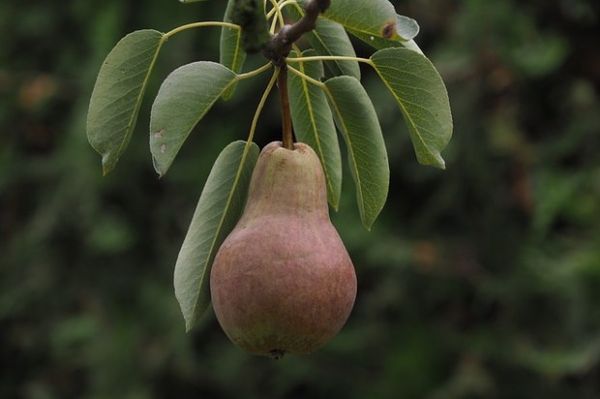
If a pear tree is regularly fed, pruned, and given preventative treatments, and has suitable pollinators nearby, its yield will remain high for many years. However, it does fluctuate.
From the beginning of fruiting, over the course of 20 years, the yield increases every year, from 20 to 35–40 years it is at its maximum, and after 40 years it begins to decline.
How to make it bear fruit
To ensure regular fruiting of a pear tree, you first need to properly care for it: fertilize it 2-3 times per season, shape the crown, and protect it from recurrent frosts. In regions with harsh winters, the trunk area should be covered with a thick layer of organic matter (compost, humus); as it decomposes, it will release heat and warm the tree's roots.
If they simply need to speed up fruiting (when the variety isn't particularly early-bearing), gardeners resort to grafting (budding) cuttings from an already-bearing tree. A tree can be forced to resume fruiting by bending its branches. Gardeners have observed that bending branches at an angle of 50–60° increases the growth of fruiting wood (rings, fruit twigs), leading to increased yields.
Video: How to Plant a Pear Tree
This video shows instructions for planting a pear tree in the garden.