
What can a pear be grafted onto and how to choose a rootstock?
Content
How to choose a rootstock
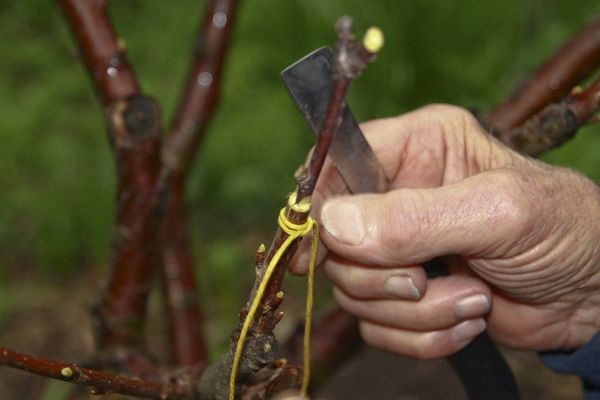
Grafting a pear is a simple process, but for its successful completion, several conditions must be met. First and foremost, choosing a high-quality rootstock is crucial, as it determines the size of the future tree, the timing of its fruiting, the quality of the fruit, and the yield. To successfully graft a pear onto another tree, it is necessary to study the biological characteristics of both trees and become familiar with the intricacies of the grafting process itself.
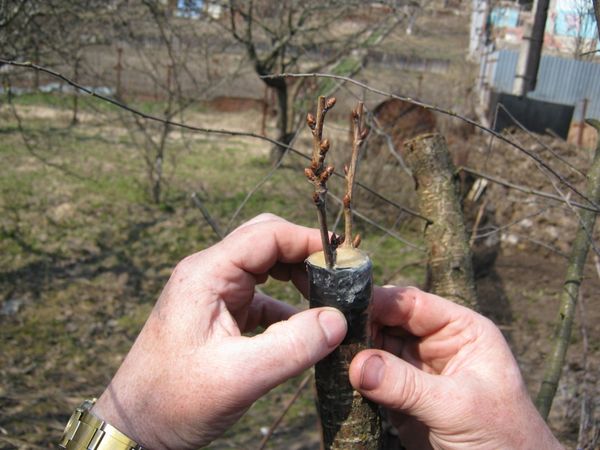
Choosing the right time for the procedure is equally important. Experience shows that the best time (almost 100%) for grafting pear cuttings is in the spring, before the sap begins to flow. This is usually mid-April, but the timing may vary depending on the region. For example, in northern regions, trees don't begin to bud until May, while in the south, spring grafting can be done as early as late March.
Experienced gardeners believe it is possible to carry out the procedure in summer and even autumn, but in this case there are certain risks. During summer grafting, the survival rate of pear scions is significantly reduced, and a tree grafted in the fall may not survive low winter temperatures. For successful spring grafting, select only young, healthy, pencil-thin scions with at least six buds. Regarding rootstock selection, pears can be grafted onto the following crops.
On the pear
The easiest way to grow a good pear is by grafting a scion of the desired variety onto pear trees that have lost their varietal qualities or are wild pears. If the rootstock is not wild, it is recommended to select a scion so that the fruiting periods of the trees coincide. Failure to do so will negatively impact fruiting and lead to a shorter lifespan. For example, if a late-ripening variety is grafted onto an early-ripening rootstock, the tree will not be able to prepare for winter in time, as it will still bear fruit and will likely be killed by frost.
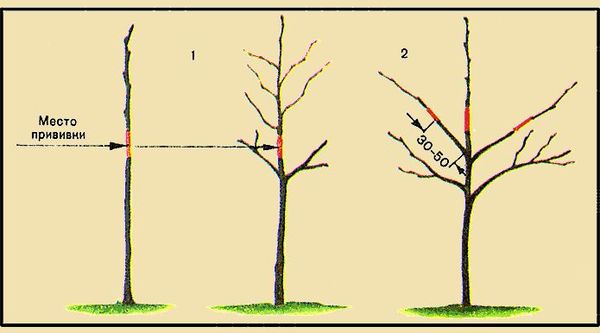
For successful establishment, it's advisable to use easy-to-grow, winter-hardy rootstocks such as Severyanka, Tonkovetka, Lesnaya Krasavitsa, and Ussuri pear. Since trees of the same species are highly compatible, you can experiment with grafting several varieties onto a single tree. The results may exceed all expectations—you'll end up with a pear tree bearing fruit from multiple varieties, or an entirely new, original variety.
On the quince
Quince is the most common rootstock for pears. This option is advantageous for several reasons: it allows the tree to be shorter, saving space in the garden, accelerating fruiting, and improving the fruit's flavor. Due to the rootstock's low stature, harvesting and caring for the tree require less effort from the gardener. The only drawback is its low frost resistance.
In regions with harsh and long winters, plants may freeze or fail to produce a harvest, so grafting pears onto quince trees is not practical there.
On the apple tree
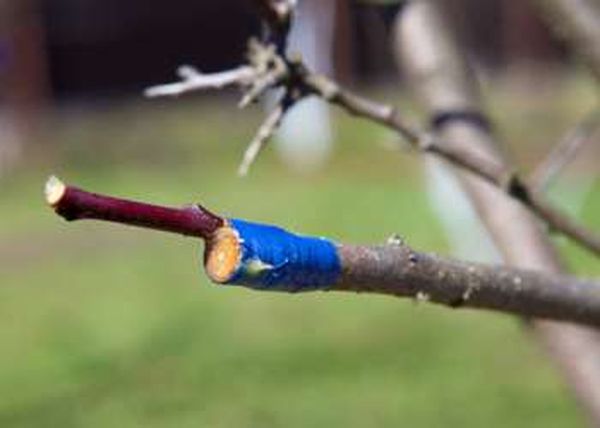
Apple is also a popular choice as a pear rootstock. They grow together quickly and well, although incomplete fusion may occur at the grafting sites. Since pears are more heat-loving and the tree's resilience will depend on the apple tree, the rootstock should be chosen from frost-resistant and easy-to-grow varieties such as Antonovka, Melba, and Vityaz. Experience shows that these hybrids are highly productive, requiring increased attention from the gardener, including crop management and staking during the fruiting season.
On the rowan
Grafting a pear onto a rowan is a successful option, but it has both pros and cons. Because the plants are so different, the grafted tree may require more careful and lengthy care after the procedure. Furthermore, pear shoots thicken faster than rowan shoots, causing thickenings on the branches, known as "burls," which weaken the branches. This combination also affects the taste of the fruit. They may become tart, drier, and lose the sweetness typical of a pear cultivar.
However, for some regions with marshy terrain and humid climates, rowan can be a real lifesaver. It's undemanding and can thrive in damp, cold, and other adverse conditions. The fruiting tree will be compact, making harvesting easier. Furthermore, pears can be grafted onto any rowan tree—either cultivar or wild. However, in dry, low-humidity regions, using rowan as a rootstock is not recommended.

On the hawthorn
Grafting a pear onto a hawthorn is a rather rare option, as few have achieved the desired result. Even if the pear scion does take root on the hawthorn, the branches of such a hybrid will be heavily covered with thorns, complicating harvesting. As for the fruit, they may develop a new, somewhat unusual flavor, so for those who enjoy exotic fruits and experimentation, this combination is not out of the question.
For lemon
Can a pear be grafted onto a lemon tree? This question can be confusing for beginning gardeners. I.V. Michurin once tried this method, but he failed to achieve great results. The main problem is the poor compatibility of stone and pome fruits. Moreover, this hybrid would not have survived in a garden, as lemon is too heat-loving and demanding.
On the cotoneaster
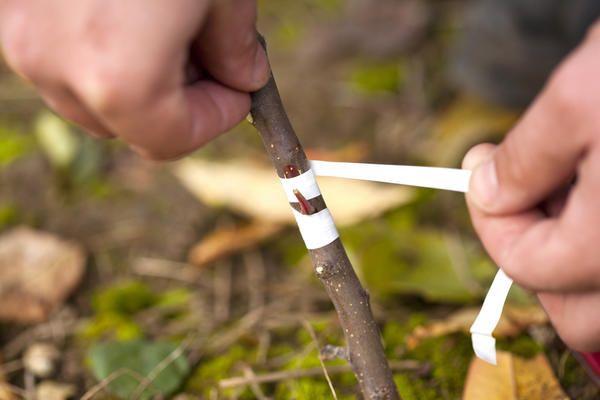
A rather unusual option, but interesting and often successful. The plants grow together well, and the low growth rate of the cotoneaster allows for a compact and even decorative hybrid. As for the quality of the fruit, they acquire a particularly pleasant flavor and aroma.
For cherry plum
Cherry plum is a very strong rootstock for any fruit tree, both pome and stone fruit (except for cherries). The result is a compact and easy-to-grow tree with fairly early fruiting.
On chokeberry and serviceberry
Grafting a pear onto a serviceberry or chokeberry produces a low-growing dwarf tree, which is ideal for a small garden. However, this option is generally not ideal, as the shrubs have thin and flexible branches, especially the chokeberry. Subsequent shoot growth will be uneven, and growths may form above the graft. Furthermore, grafting a pear onto a serviceberry or chokeberry will require constant support, which will weaken it over time.
Of course, these are far from all the possible pear grafting combinations. Every gardener can experiment with rootstock selection and find the most successful option based on their preferences and tastes.
Video: "Grafting a Pear onto a Rowan"
This video will show you how to properly graft a pear onto a rowan tree.