
Description and rules for growing the Moscow pear
Content
Characteristics of the variety
This pear variety is characterized by early ripening, which makes it very profitable for sales. Furthermore, the fruits will be highly competitive in the market thanks to their sweet, slightly tart flavor.
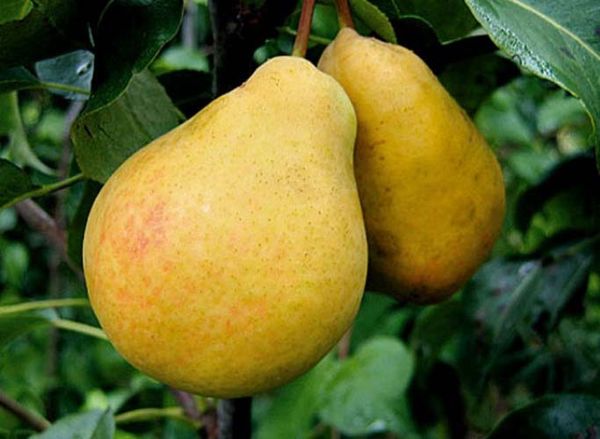
The tree itself grows up to 5 meters tall and has a small crown, allowing for close planting. This feature significantly reduces planting space.
The shelf life of this variety is about 2–2.5 weeks, which increases the chances of sales in areas remote from the planting site. Moreover, this variety is characterized by good resilience, which will be beneficial for long-term storage of the fruit. Again, this is in contrast to the Bere Moskovskaya pear variety, which is not known for its long-term storage.
Features of cultivation
This variety is suitable for growing in temperate climates. Seedlings can be planted in both spring and winter. Winter seedlings will be frost-resistant, but in temperate climates, it's best to err on the side of caution and plant in spring. The spring and summer will allow the plant to strengthen and protect it from frost.
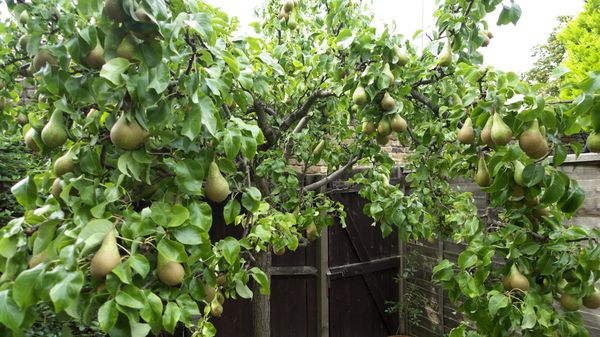
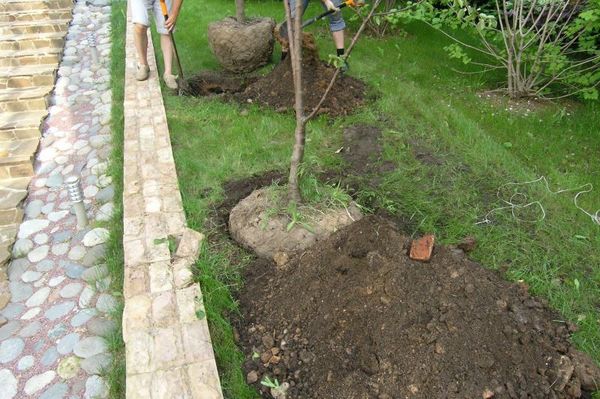
The best place to grow the Moskovskaya pear is a warm, sunny spot; otherwise, the tree will wither and produce poor-quality fruit without the juiciness described above. To ensure the tree germinates well, prepare the hole for the seedlings in advance. Ideally, for spring planting, prepare the hole in the fall. If this isn't possible, a week's rest is sufficient.
This preparation is necessary to prevent the soil beneath the budding tree from deforming and settling after planting a seedling. Therefore, the soil should be "hardened" before planting. To improve the soil in the hole, add loose soil, eggshells, superphosphate, and ash. It's no secret that pear trees require ample watering. This variety is no exception. Water daily, if possible, with warm water (20–22°C).
Don't forget about mulching to prevent the soil from drying out. Pear trees should not be planted in clayey or wet soil. To promote growth, attach a stake to the center of the pear tree to support the seedling until it becomes established and matures.
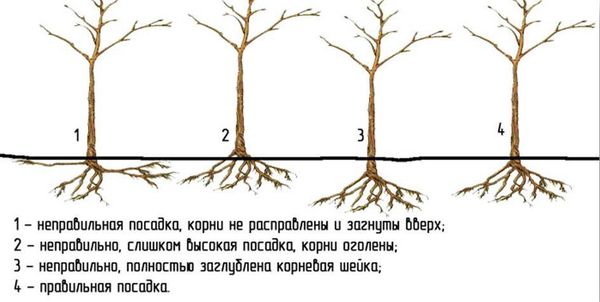
When planting, pay attention to the seedling's roots. They should be spaced far apart, but not in the way.
Organic fertilizer can be used, but don't overdo it: once every three years is sufficient if the soil is fertile. This variety prefers inorganic mineral fertilizers, which can be applied to the seedling in both fall and spring.
For better tree growth and development, diluted saltpeter (30 g/m²) and 100 g of carbide can be used in the spring. In the fall, potassium and phosphorus are best.
Pruning is a crucial step for the Moskovskaya pear variety, as the dense but small crown of the upper part requires careful pruning and shaping to avoid creating unnecessary shade on the fruit and leaves.
Incidentally, it's worth remembering that dried branches should also be removed, just like one-year-old shoots. This is usually done in the fall after harvesting the fruit, using pruning shears that have been disinfected first.
A recommendation for beginning gardeners: young trees should be covered, especially the roots, which freeze most quickly. A tree is considered "young" for the first 5-7 years, until it begins to bear fruit, so it's important to take this matter seriously to avoid problems later and avoid wasting time and effort. Unlike other late-ripening varieties, the Moskovskaya pear is not known for its frost resistance.
To protect the roots, after collecting the leaves, spread sawdust around the tree—it retains heat very well—and spread spruce branches on top—the branches of evergreen trees, similar to spruce. The spruce branches can be dusted with snow to prevent them from being blown away by the wind.
Diseases and prevention
One of the distinctive features of the Moskovskaya pear variety is its immunity to one of the most common diseases—scab. However, no one can guarantee 100% protection. Therefore, it's important to be aware of the main symptoms of infection: small yellow spots appear on the undersides of the leaves, which then develop into dark brown spots. The infected leaves then begin to curl and eventually fall off. This disease can be cured by spraying with Bordeaux mixture.
To combat fruit mites and gall mites, the tree can be sprayed with any acaricide, and insecticides can help combat hawthorn. Black canker is a dangerous fungal disease that causes red spots on the bark, fruit, and leaves. For treatment, use copper sulfate, while simultaneously removing damaged areas of the bark.
Video: "Where is the best place to plant a pear tree?"
From this video you will learn how to choose the right place to plant a pear tree.