
Causes and methods of combating gall mites on pear trees
Content
Why is a tick dangerous?
The pear mite sucks the tree's sap, disrupting its water balance and leaf structure. Due to the reduced chlorophyll, photosynthesis slows, weakening the tree and delaying or completely halting its growth. If a single leaf is attacked by multiple pests, it soon dries up and falls. A weakened immune system makes the pear vulnerable to other pests, infections, including fungal ones, and adverse weather conditions.
In spring, ticks feed on the sap of buds and can destroy them before they have time to bloom.
The infected tree continues to produce fruit, but the fruits become small.
Causes and signs of occurrence
Adult mites can migrate independently from tree to tree. Factors that trigger their rapid reproduction include dense canopies, lack of pruning, and excess phosphorus fertilizers. Sometimes, tree stimulating agents can increase pest reproduction.
Some insecticides used to control other pests are harmless to ticks, but they kill their natural enemies (dragonflies, ground beetles, etc.), which also leads to population growth. The ticks themselves are very small (0.25 mm) – they have an elongated, worm-like body, with two pairs of legs closer to the head.
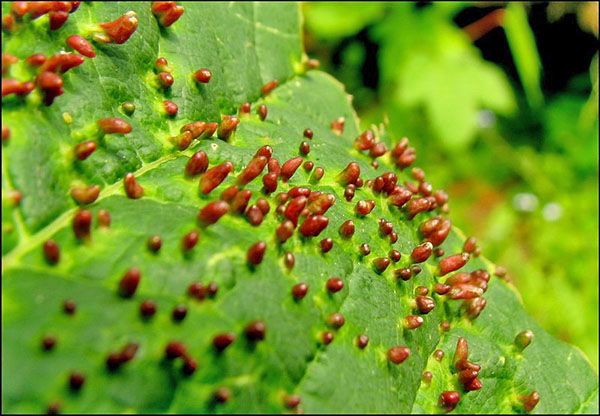
Pimples up to 3 mm in diameter appear on pear tree leaves infested with mites. These plaques contain both adult mites and eggs laid by females. Initially, they are light yellow-green in color, then darken to brown and black. Finally, the leaf, desiccated by the parasites, dries up completely.
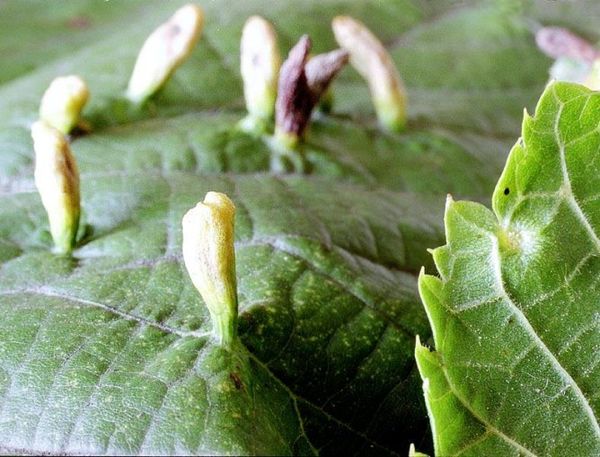
The presence of the pest is also indicated by so-called "witches' brooms": clusters of shoots without fruit and with underdeveloped leaves. Furthermore, mites can hide in the tree bark. They usually overwinter in buds.
Spider mites, a relative of the gall mite, pose a threat to the tree. When they appear, white and yellow spots appear on the leaves, and in severe infestations, the shoots and leaves become covered in a fine web.
Methods of struggle
What measures should be taken to combat gall mites on pear trees?
Chemicals
If a tree is infested with mites and they may have overwintered in the buds, spray the tree with Inta-Vir (1 tablet per 10 liters of water) before sap flow begins. A second spraying with this product is carried out after harvest.
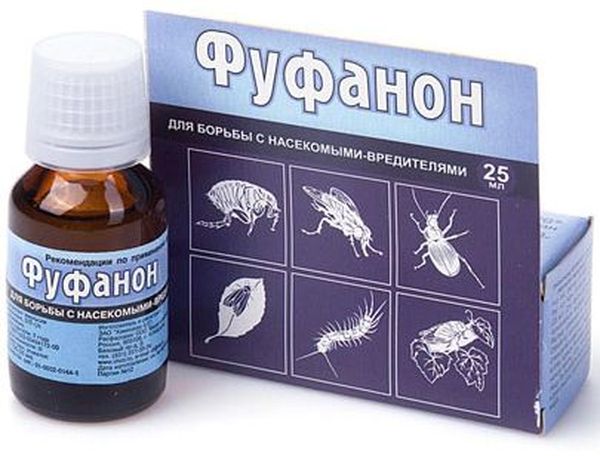
Other effective treatments include Fufanon, Karbofos, Akreks, Actellic, and Nitrafen. These sprays should be applied at two-week intervals.
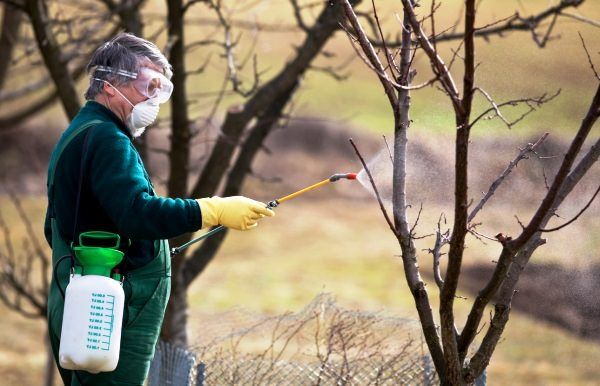
When treating wood, remember to take safety precautions. Periodically alternate treatments, as mites can develop immunity to them.
Since chemical treatment of spider mites is not recommended during fruit growth, some gardeners eliminate the pest using a progressive method such as injecting the tree with acaricides or insecticides. By directly entering the sap system, these substances help quickly eliminate the spider mites. This procedure requires specialized equipment, so it is usually outsourced to specialists at gardening centers.
Folk
It is also possible to combat gall mites using folk remedies.
A dandelion infusion works well: pour 1 kg of fresh leaves into 3 liters of water and let steep for 3 days. Strain the infusion and add a little liquid soap before spraying.
Marigold infusion (herb): add 100 g of flowers to 1 liter of water and bring to a boil. Let the infusion steep for 5 days. Before spraying, strain and dilute with water 1:1.
Potato tops infusion: take 1 kg of fresh or 0.5 kg of dried tops, chop them, and pour a bucket of warm (not hot) water over them. Let it steep for 4 hours, then strain and add a tablespoon of liquid soap. Use the infusion within 24 hours of preparation.
Spray pear trees early in the morning, in the evening, or on cloudy days (but not before rain). Spraying liquid in bright sunlight can burn the leaves. Furthermore, some substances become less effective in this situation.
Prevention
As noted, gall mites on pears reproduce particularly quickly due to excess phosphorus, so it is important to correctly calculate the dosage of fertilizers.
It's important to regularly prune the tree's crown, remove dead bark from the trunk, remove fallen leaves in the fall, and till the soil around the tree. Regularly whitewash the trunks with lime. Weeds can be completely eliminated or trimmed to allow their roots to replenish the soil with nutrients.
Spraying with the above chemicals can also be done for preventive purposes (once a month).
Use trapping belts made of burlap or corrugated paper - they help prevent the appearance of many types of pests.
Video: "Galls and How to Protect Plants from Them"
In this video, an expert will talk about gall mites and methods of controlling them.