
Description of the sweet late autumn pear variety Medovaya
Content
Description and characteristics of the variety
This pear is considered a late-autumn variety. This variety emerged as a result of selective breeding by a group of scientists at the Crimean testing base in the 1960s. This is why the tree is often called the Crimean Honey Pear.
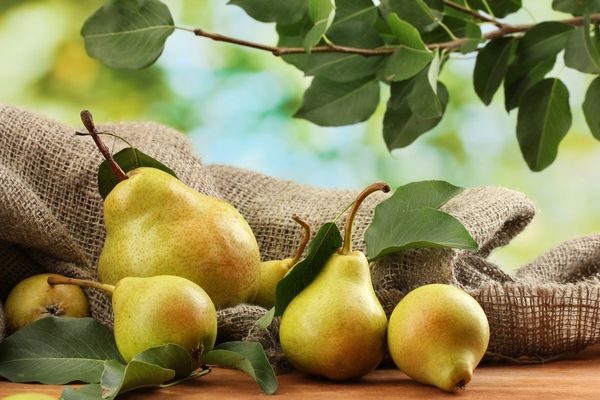
The tree is not tall, rarely exceeding 2 meters. The crown is compact, moderately dense, and has a classic pyramidal shape. The time of first fruiting depends on the growing climate and care of the tree. Grown on a dwarf rootstock, the pear bears fruit early. The main advantage and distinguishing feature of this variety is, without a doubt, its fruit. Even in temperate climates, its fruit weighs over 350 grams, and in southern latitudes, it can reach 500 grams.
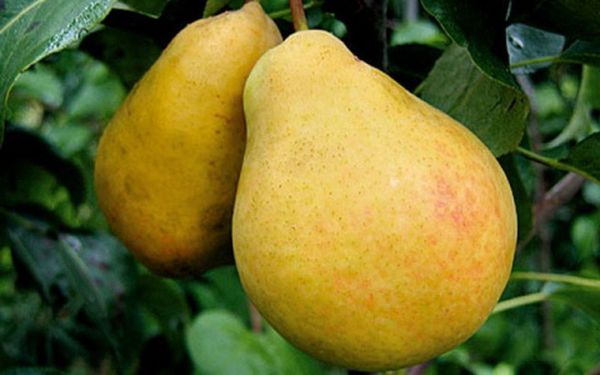
The pears are unevenly shaped, short pear-shaped, with a bumpy surface and subtle ribbing. Unlike many other varieties, the skin is thin and dry, greenish-yellow with a faint copper tint. The flesh is a delicate cream color, with a fragrant, buttery, and very juicy texture. The delicate texture of the flesh allows it to literally melt in the mouth, leaving a pleasant honey aftertaste. Excellent vitamin content and organic acids help to boost immunity.
A popular variety of the Medovaya pear is the columnar Medok. Its small stature and tree structure (straight trunk with closely spaced branches) give it an ornamental appearance. However, its fruit has the same excellent flavor as the Krymskaya pear. However, its compact size allows for planting at intervals of just over one meter. Furthermore, any variety can be chosen, from late-summer to winter.
Features of cultivation
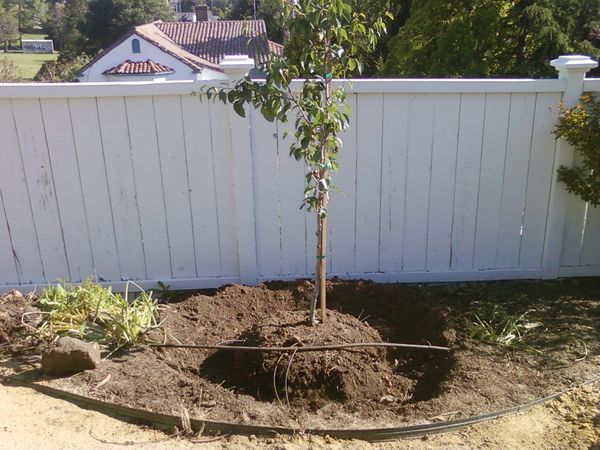
A properly planted tree is the key to successful growth and development. Therefore, it's essential to know how to plant a pear tree correctly. First, choose a warm, sunny location protected from drafts. The tree is typically planted in early fall or early spring. One-year-old seedlings are best. If the root system has dried out slightly, soak the seedling in a clay-water solution for a while.
Don't forget to remove any leaves (if any). To help the tree establish itself quickly, add some turf and fertilizer to the hole. The soil should be loose. After planting, it is recommended to tie the seedling to a nearby support. Pay attention to the soil moisture and pH: waterlogged or acidic soil is unsuitable for the plant.
Although pear trees don't tolerate excess moisture well, they need to be watered regularly and sufficiently. Young trees should be watered once a week, while the frequency of watering mature trees depends on rainfall, but should be no less than four times per season. Avoid overwatering by sprinkling or filling grooves around the tree with water, rather than watering the roots. During dry periods, mulching the soil will help retain moisture under the tree.
One should not forget about regular sanitary and thinning pruning of the crown.
This procedure will help improve crown ventilation, improve light access to all branch levels, and prevent disease. If the tree has not borne fruit for a long time, bend or intertwine the branches, trying to force them into a horizontal position. These shoots grow more slowly but begin to bear fruit more quickly. The Medovaya pear also requires regular fertilizing, especially during and after flowering, and before wintering. Fertilizers should be both mineral and organic. Peat compost, manure, and humus are excellent organic fertilizers.
Essential pollinators
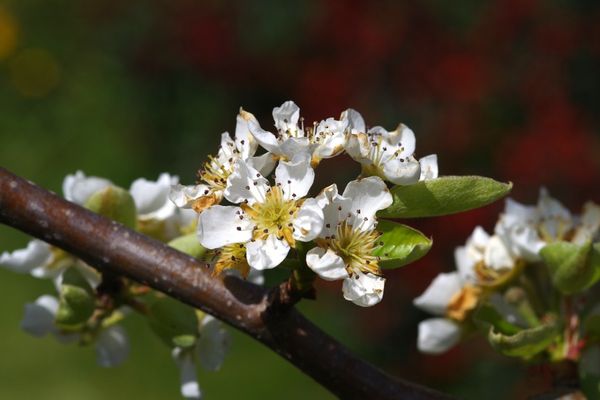
This variety is partially self-pollinating. Therefore, to ensure a regular, good harvest, it is recommended to plant it among pollinator varieties. Varieties are selected based on the pollination and fruiting periods, which should coincide for the pollinated tree and the pollinator. Tavricheskaya, Kudesnitsa, and Bere Ardanpon are excellent choices.
Pest and disease control
Proper planting and care are the main necessary conditions for the existence of a pear.
Honey berries are resistant to moniliosis, but there are a number of dangerous diseases, such as scab, cytosporosis, rust, and black canker. The symptoms of all these diseases are very clear. Depending on the type of disease, leaves, and sometimes even fruits, become covered with gray, black, brown, or purple spots, wrinkle, and fall off. Fruit buds fall off, and the bark dries out.
Affected areas are recommended to be removed and burned, and trees treated with special chemicals, such as Bordeaux mixture and copper sulfate. To prevent the disease, branches should be pruned promptly and leaves burned in the fall. Trees can also be treated with garden pitch as a preventative measure.
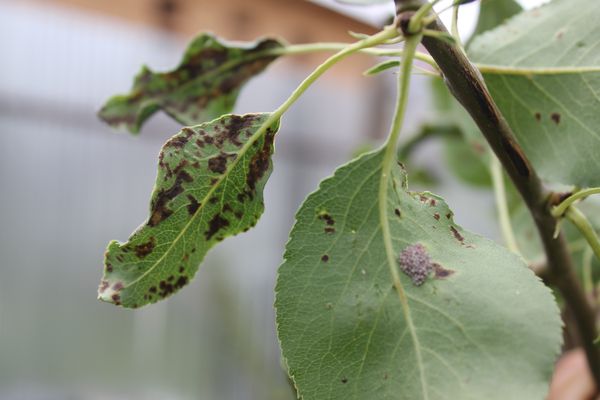
The pear tree is not immune to pest attacks. Common pests include pear sawflies, leafhoppers, pear mites, and codling moths. These pests suck the sap and damage the leaves, bark, and fruit. They can be controlled with colloidal sulfur, Karbofos solution, and Agravertin and Akthar. Preventative measures include digging up the soil around the tree and controlling ants.
Advantages and disadvantages
After describing the Medovaya pear, it becomes clear that its virtues extend beyond the excellent fruit characteristics. The tree begins bearing fruit early, is easy to care for, and is resistant to diseases and weather conditions. However, it is not suitable for growing in cold regions and weakens with frequent, abundant harvests.
Video: "Proper Care of Fruit Trees"
This video will teach you how to properly care for fruit trees in your garden.