
18 Best Pear Varieties for Central Russia
Content
Summer varieties
Gardeners seeking an early harvest prefer to grow summer pear varieties. Their main distinguishing feature is that the fruit is ready for consumption in late summer and has a short shelf life. Therefore, immediately after harvesting, the harvest should be used for various preserves.
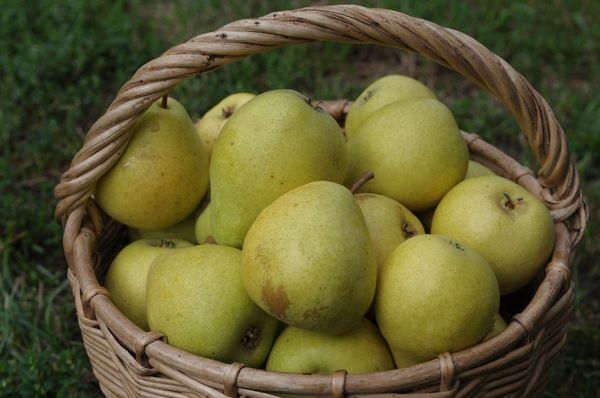
Only certain varieties can be planted in the central part of the country. For example, the Irista pear has proven itself here. However, it's not the only one that can boast a good harvest in these climates. Let's look at the most popular summer varieties among gardeners.
Chizhovskaya
The most popular variety. The trees produce pear-shaped fruits weighing approximately 140 g. They have green skin with a distinct yellow tint and white flesh. The pears are soft in texture and have a sweet, tart, yet refreshing flavor. They are characterized by early fruiting and high winter hardiness.
It is worth noting that the older the tree becomes, the smaller the fruits it produces.
Lada
This is a classic of the genre. It's also a very popular variety. It ripens early. It was created by crossing the Olga and Lesnaya Krasavitsa varieties.
The tree is medium in height. It forms a pyramidal crown. Fruiting begins at three to four years of age. The fruits are attractive and weigh approximately 100 g. They are conical in shape. They are characterized by a distinct aroma and sweet taste. Therefore, it can be said that these are the most delicious pears. The fruits are thin-skinned and yellowish in color.
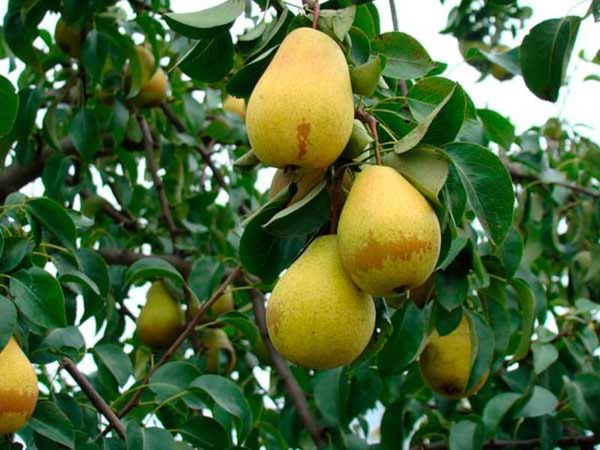
The following features are characteristic of Lada:
- cold resistance;
- partial self-fertility;
- the yield is regular and abundant;
- good immunity (especially to scab).
With proper care, one tree can yield approximately 50 kg of fruit.
Seedless
The tree is medium-sized with a sparse, broadly pyramidal crown. It tolerates subzero temperatures well, but has poor resistance to scab.
This pear variety resembles an apple in its fruit. They weigh about 70 grams. The skin is greenish-yellow, with a characteristic pink blush. The skin is rough, with small bumps visible on it. The yellow-white flesh is juicy and tender. The texture is granular. They have a mildly sweet taste.
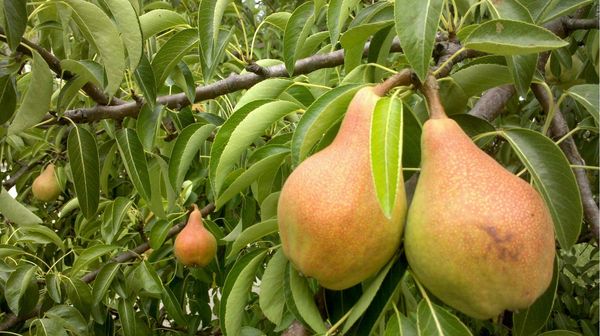
A single tree can produce a large harvest. Once harvested, the fruit only lasts for 10 days.
Early ripening from Michurinsk
The tree is characterized by its medium height and moderately dense crown. Fruiting typically occurs in the fifth year after planting and is characterized by early maturity.
Ripe fruits are harvested in late July. The pears are medium-sized, weighing approximately 90 g. They are egg-shaped. When ripe, their skin turns yellow. The flesh is juicy and delicious. The trees are resistant to low temperatures and scab.
August dew
This variety produces low-growing trees with a sparse but spreading crown. The plant has good immunity and is able to effectively resist diseases. Its fruits are short, pear-shaped, weighing approximately 140 g. Their color is greenish-yellow. The tree produces delicious pears with juicy flesh. They are characterized by a light aroma and a sweet, tart flavor.
Allegro
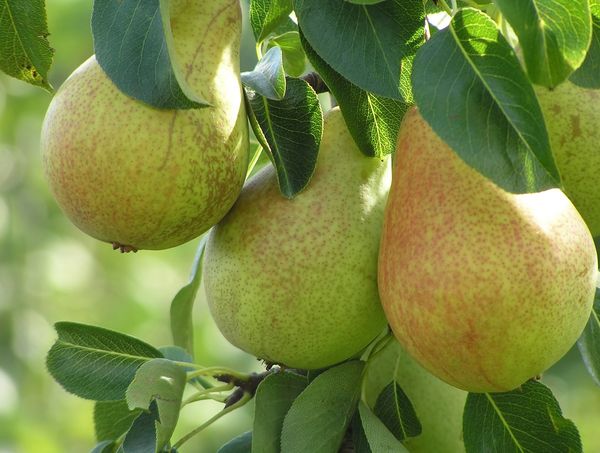
Ripe fruits are picked from the trees as early as early August. On average, pears weigh about 140 g. They are slightly elongated. The skin is greenish-yellow, often with a reddish tint. They taste sweet and have a distinct aroma. The flesh is very tender.
These are the most popular summer-ripening varieties. With proper care, they can produce fruit well in central Russia.
Autumn varieties
All autumn pear varieties have a much longer shelf life than summer varieties. Moreover, the fruit retains its marketability and flavor during storage. However, harvesting earlier is not recommended. The average fruiting period for these trees is about 1–1.5 months. Therefore, it's best to plant several varieties in your garden.
Varieties G-2 and G-3
G-2 is a late-ripening variety of autumn varieties. Its fruits are pear-shaped, with a bumpy surface. They weigh about 200 g on average. Their skin is green, but with a rusty blush. They taste sweet and have a pleasant aroma.
The G-3 variety's description differs significantly from that of the G-2 variety. These pears weigh almost twice as much—around 400 g. The G-3 variety produces fruits of a regular shape with a distinct yellow color. They are very tasty and exude a pleasant aroma.
Rogneda
These pear trees are early-ripening varieties. It's worth noting that some gardeners classify this species as a late-summer variety rather than an autumn variety.
The tree is vigorous, but does not exceed 10 m in height. The crown is rounded. The trees produce pears weighing 120 g. Their skin is yellowish with a carmine blush. The pears are distinguished by their excellent flavor and muscat aroma. The fruit has a shelf life of about three months. One tree produces up to 90 kg of fruit.
The advantages of growing Rogneda include high winter hardiness and resistance to rot and scab. A disadvantage is the variability of fruiting.
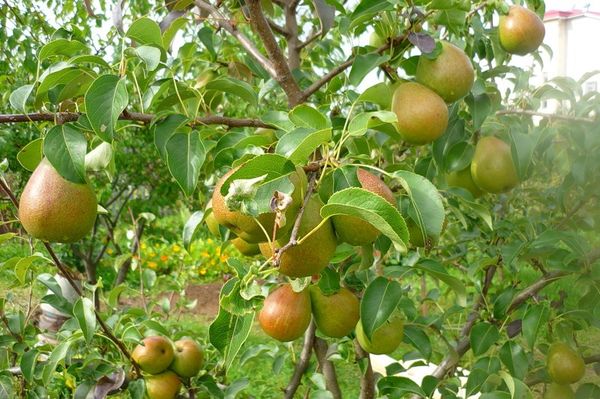
Marble
The trees are medium in height. The crown is pyramidal. The fruits are standard and regular in shape. The color is greenish with a yellowish tint. The pears are sweet in taste. Their flesh literally melts in the mouth. The aroma is practically absent. The fruits can be stored for a couple of months.
To ensure good yields, the plants need to be watered generously. Otherwise, the fruit will fall off. The variety is highly resistant to scab.
Muscovite
This variety is considered winter-hardy. It produces medium-sized pears, typically weighing 120g. Their color is typically yellow-green. The flesh is sweet with a hint of tartness and has a slight aroma.
The variety is characterized by good immunity, early fruiting, and versatility of fruit use.
Otradnenskaya
Otradnenskaya was obtained by crossing Lesnaya Krasavitsa and Tema.
This variety is considered partially self-pollinating. However, for a more abundant harvest, several pollinators should be planted nearby. It is also frost-hardy and has excellent resilience. During the fruiting season, pears weighing approximately 130 g ripen on the trees. They have excellent flavor but lack aroma. The variety itself is characterized by regular fruiting. The fruits have a fairly long shelf life (up to 4 months).
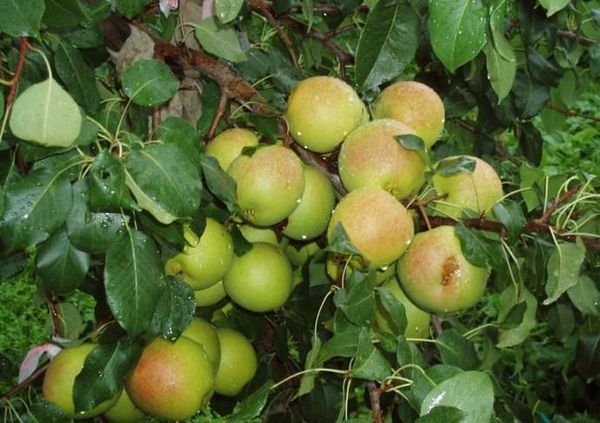
Veles
It takes about 6-7 years for the seedlings to bear fruit after planting. After that, regular fruiting is observed. The average fruit weight is about 150 g. The pears have creamy flesh that is sweet but slightly tart. They store well in the refrigerator.
These are the best autumn varieties. Each pear described above is suitable for central Russia. However, each gardener must decide for themselves which variety is best. After all, there are self-fertile varieties, as well as other varieties (early and late, tall and dwarf, etc.).
Winter
Winter varieties ripen around September/October. If needed, their fruit can be stored until the end of winter. These pears are characterized by a rich flavor. They are also excellent for various types of preserves.
Pervomayskaya
The trees are distinguished by their compact crown. Harvesting occurs in October. Even green fruits can be picked. During storage, they reach the required ripening stage and turn yellow. They can be stored for approximately 200 days. The pears have a standard shape. The skin may have a waxy coating. The flesh is usually creamy and has a distinct flavor and aroma. The variety is resistant to fungal diseases and low temperatures.
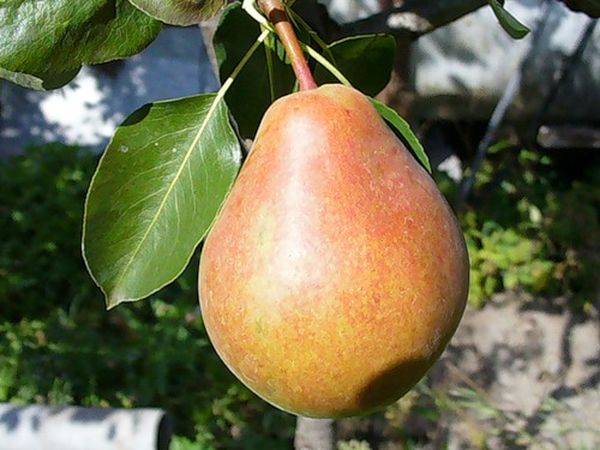
Belarusian Late
The plants form a rounded crown. This variety is characterized by good frost resistance and high yields.
The pears weigh approximately 120 g. They are green with a subtle yellow tint and a slight blush. The juicy, grainy white flesh has a sweet and sour taste. The fruit can be stored until February.
Nika
This variety is distinguished by its very high yield. Fruiting occurs in the fourth or fifth year. The fruits are large, weighing 200 g. The shape is ordinary. The skin is yellow with a slight blush. The flesh is creamy, quite buttery, and juicy. It has a very pleasant taste and a pleasant aroma.
Rossoshanskaya late
The yield is good, but irregular. The trees produce round, yellow fruits with a distinct blush. They are tasty and also aesthetically pleasing. The flesh is fragrant and juicy.
Cuttings of this variety take root well in new locations and can also be used for grafting.
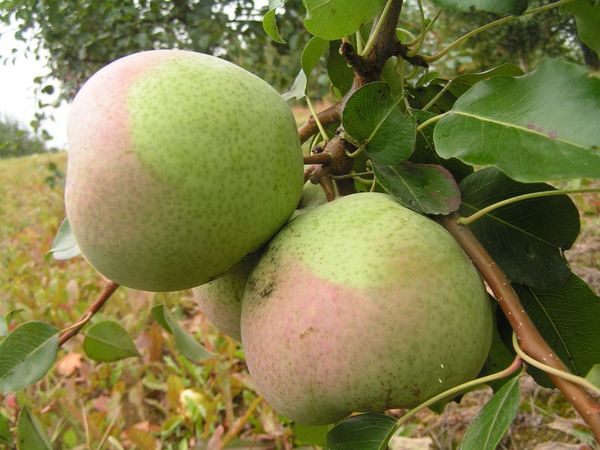
Hera
This variety is also characterized by high yields. The trees are not very tall, forming a compact crown. The pears are large, weighing approximately 250 g. The flesh is semi-oily. The taste is sweet with a hint of tartness.
Wonderworker
Trees of this species have excellent immunity, so they rarely suffer from diseases (especially fungal ones). The crown is pyramidal. Trees typically grow up to 3 m in height. The pears are quite large, weighing around 200 g. The flesh is sweet and sour. The fruits are harvested in September.
Miracle tree tolerates frost well, producing a bountiful harvest. Fruiting usually begins in the fourth year after planting.
Above, we've reviewed the best pear varieties, specifically bred for central Russia. They all share one thing in common: they can only be grown in challenging climates. However, it's important to remember that each of the varieties listed above has its own unique characteristics, both in terms of yield and care. Therefore, before choosing a particular variety, it's important to thoroughly examine all its advantages and disadvantages.
Video: "Where is the best place to plant a pear tree?"
This video will tell you where to best plant a pear tree for a high yield.