
Top 18 Most Delicious Summer Pear Varieties
Content
August dew
The Avgustovskaya Rosa variety tops our ranking alphabetically. This early-ripening pear produces medium-sized fruits with very juicy, sweet-tart flesh, making it suitable for growing as a table variety. Avgustovskaya Rosa's fruits can be stored in a cool place for up to 12 weeks, which is excellent considering the tree's high productivity.
Lada
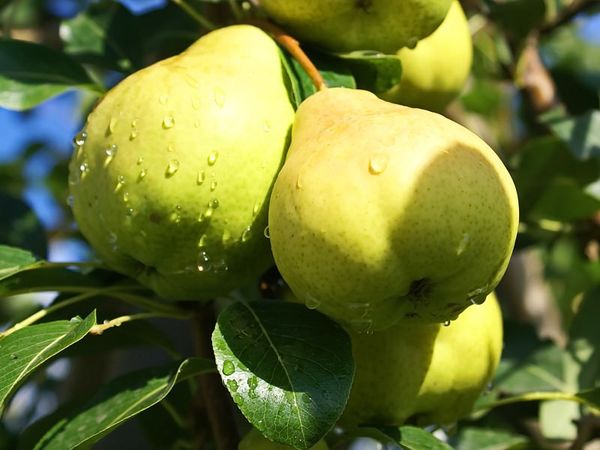
The summer pear cultivar range recently expanded with a new member – the Lada. This is a very attractive variety, as it has no major flaws. The fruits are medium-sized, covered with a thin, light-yellow skin. They ripen early, rarely shed, and are rarely attacked by pests. Furthermore, Lada trees are partially self-pollinating and can tolerate extreme temperatures.
Cathedral
In the 1990s, early pear varieties acquired a new specimen—the Cathedral variety. These medium-height trees are covered in dense, glossy foliage in spring, and by late August, they bear fruit with a pleasant flavor and a distinct blush. However, the annual fruit has a short shelf life—up to 15 days. Cathedral's advantages include resistance to cold and scab, and high yields.
Take
The Béré Bosc summer pear has been known since ancient times. Developed in France, it produces its best harvests in the southern part of the continent. The tree bears large pears (weighing up to 230 g), covered with a yellow skin with orange spots.Despite its excellent taste, Bere has a clear drawback: fruiting only occurs 6–7 years after planting.
Victoria
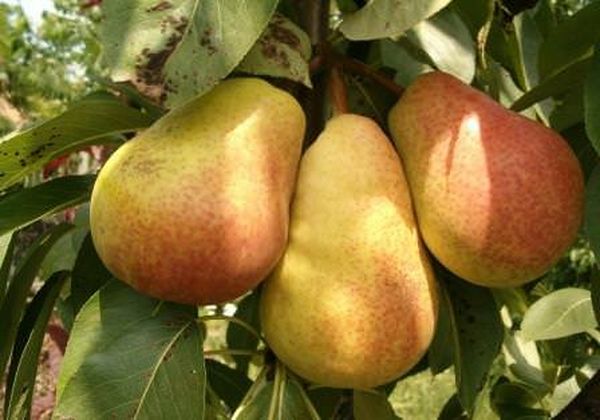
If you're deciding which pear variety to plant in the steppe or forest-steppe zone, Victoria is an ideal choice. Developed in southern Ukraine, Victoria has become popular in arid regions, where, despite the climate, it produces very large (almost 300 g), sweet, thick-skinned pears. These fruits store well for up to a month, and the trees are able to protect themselves from scab.
Northerner
Severyanka is one of the varieties bred for the northern regions of the country, including Siberia and the Urals. Unfortunately, the cold climate prevents the pears from growing large. Severyankas weigh no more than 90 grams, and their flavor is rather average. Furthermore, they tend to shed heavily after ripening and have only average drought tolerance.
Fairytale
The Skazochnaya variety was bred by specialists from the Urals, making it perfectly suited to the region's climate. The tree produces fruit of an interesting color: the green skin is completely covered with small brown "freckles." The fruit is medium-sized, and the flavor is no less unique than its appearance—a sweet base culminates in a pleasant spicy-wine aftertaste.
Prominent
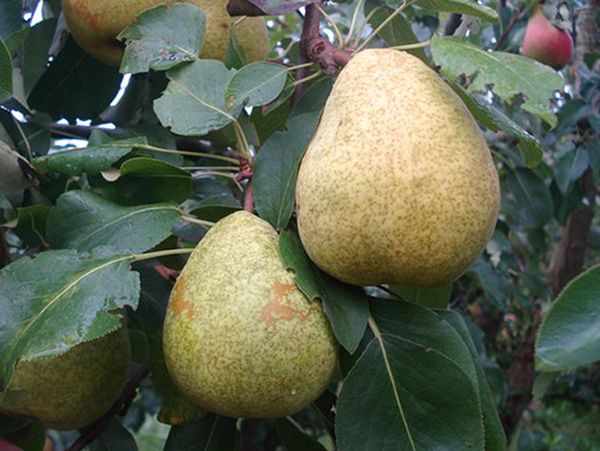
The charming Vidnaya pears are covered in a dense, yellowish-green skin with a bright blush on the sunny side. These fruits have a wonderful flavor, making them suitable for both raw and processed eating. Vidnaya will delight you with its abundant yields and undemanding nature. However, ripe Vidnaya pears cannot be stored longer than 10 days, reminiscent of their southern neighbor, Rannaya Sergeeva.
Moscow
Moskovskaya pear trees can be found throughout the European part of Russia, from the Saratov region to Arkhangelsk. This is due to the variety's good tolerance to various climates. Moskovskaya produces good yields of medium and small pears, which nevertheless have a wonderful flavor and delicate aroma. We owe the Moskovskaya variety to breeder Vladimir Susov, who presented it to us in 1992.
Bashkir summer
The small fruits of the Bashkir Summer have a mediocre flavor, but their aroma is delightful with a delicate, rosy-wine scent. These fruits are ideal for preserves, juices, and jams. Bashkir Summer trees are distinguished by their late fruiting, resistance to pests and diseases, and good regeneration capacity.
Oryol summer
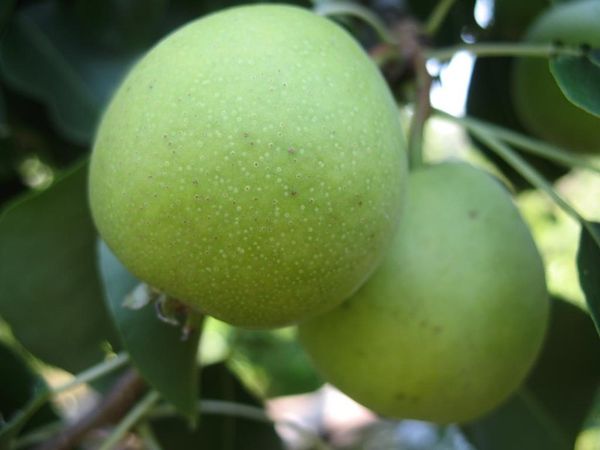
The Orlovskaya Letnaya pear has recently gained popularity not only among private gardeners but also among large farmers. The variety's description, like that of the Kosmicheskaya pear, begins with its suitability for the Central Black Earth Region. There, it produces large trees with very large fruits, compared to the Kosmicheskaya. The pears are delicious, but their shelf life is short—up to 10 days. If you're looking for a pollinator for the Orlovskaya Letnaya, you might like the Orlovskaya Krasavitsa pear. Both varieties were bred in the same region and have similar vegetative characteristics, but their fruits differ in taste and appearance.
Big summer
The Bolshaya Letnaya pear produces medium-sized fruits with yellow-green skin. This variety requires constant care, allowing the tree to produce abundant harvests almost every year. Like the Pamyatnaya pear, the Bolshaya Letnaya pear is resistant to scab and begins bearing fruit early—in the fourth year.
The Bolshaya Letnaya pear variety is actively used in the food industry due to its universal taste.
Mlievskaya early
The fruits of this variety ripen in August. They are small (around 100 g), but very sweet and aromatic. The pears are round and very wide, and the trees are tall and spreading. Mlievskaya Rannyaya pears will delight farmers with their good temperature tolerance.
Early July
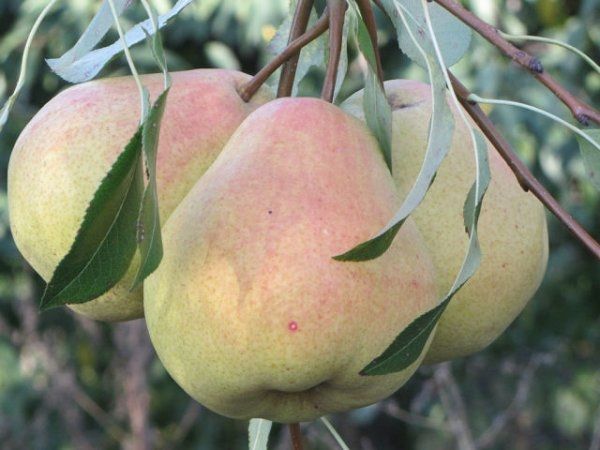
The July Early pear is often grown as a columnar pear. This is possible due to the medium-sized fruit and the variety's undemanding climate. The key is to provide ample sunlight, which will yield a harvest of sweet pears as early as July. The July Early pear begins bearing fruit late, in the sixth year after planting. Its creators, breeders L. Sergeev and E. Kostetskaya, developed the variety for the southern regions of Russia.
Early Moldavian
The Moldavskaya rannaya tree has a compact habit, and the fruit it produces is medium-sized and sweet. Moldavskaya begins to bear fruit as early as the third year after planting. This variety is often propagated on quince trees, which further enhances the pears' flavor and pest resistance.
Oily summer
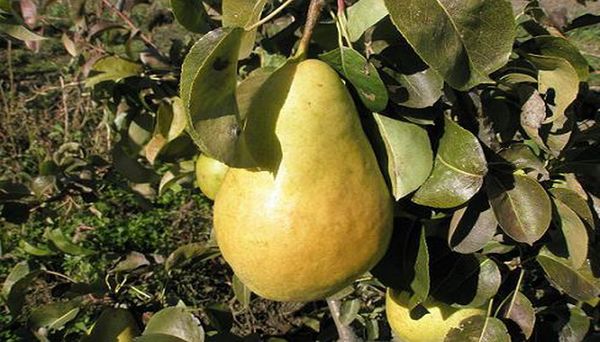
The Summer Butterberry bears medium-sized fruits covered in a thick, yellowish skin with a striped blush. It gets its name from the flesh—it's juicy, buttery, and very white. The fruit of the Summer Butterberry can be stored for up to 14 days, but thanks to its high yield, the Summer Butterberry can be eaten for a long time.
Trees begin to bear fruit in the 7th year after planting, and with good care are practically not affected by scab and infections.
Ruddy Kedrina
The Rumyanaya Kedrina pear was bred for the Middle Volga region and has evolved into a spreading, fast-growing tree. Rumyanaya Kedrina fruits are typically large to very large, with individual specimens weighing up to 400 g. These fruits are sweet and juicy. The tree begins bearing fruit 6-7 years after planting and can self-pollinate.
Sweet from Mliev
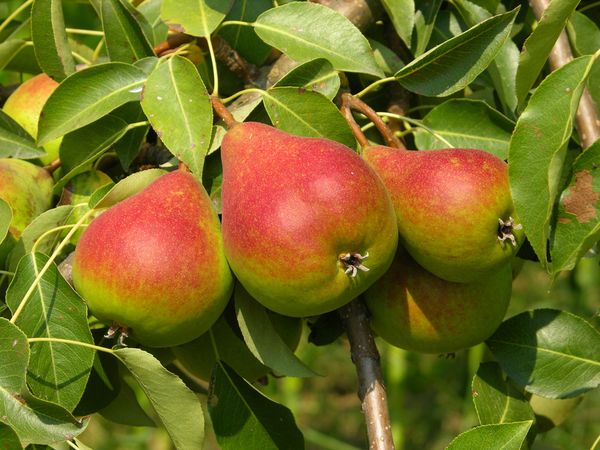
The Sweet pear from Mliev was bred in Ukraine last century. The resulting fruit is medium-sized, but the trees have acquired a number of advantages, including drought and cold resistance, low susceptibility to scab, and annual harvests. Unfortunately, the fruit has a short shelf life—up to 12 days, and up to two months in a cold room.
Video: How to Choose the Right Pear Variety
This video will teach you how to choose the right pear variety.