
What is special about the summer pear variety Lel?
Content
Description of the tree and fruits
The Lel pear is a variety developed by Siberian breeders. It was discovered about fifty years ago and has become quite popular among Russian farmers. This variety was created by crossing two other varieties—Lyubimitsa Yakovlev and Vinnaya.
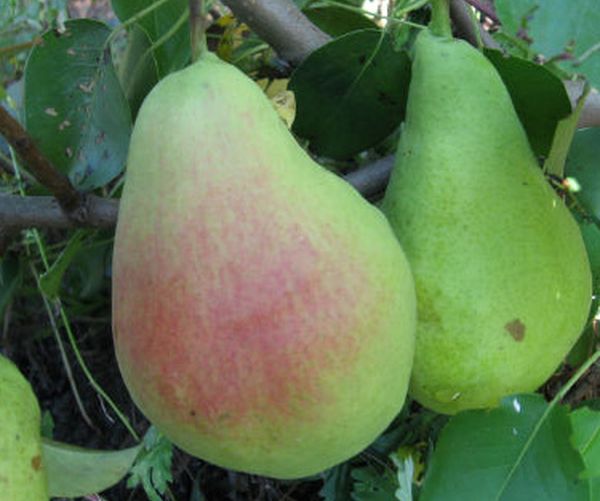
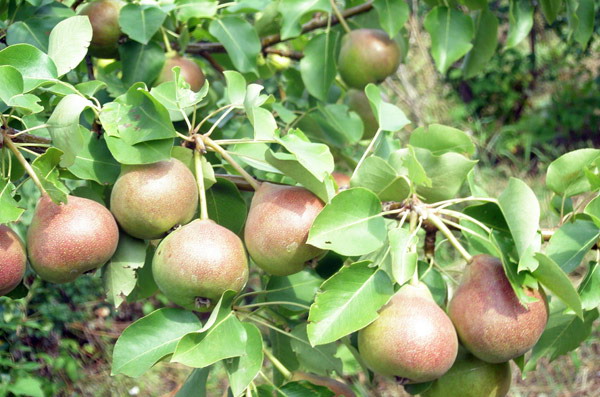
The trees of this variety are not large in size, but they boast an elliptical, medium-density crown. The plant's shoots are quite long, arched, and hairy at the ends. They are brown in color, with a reddish tint. The leaves are quite small, a beautiful emerald green, and ovoid in shape.
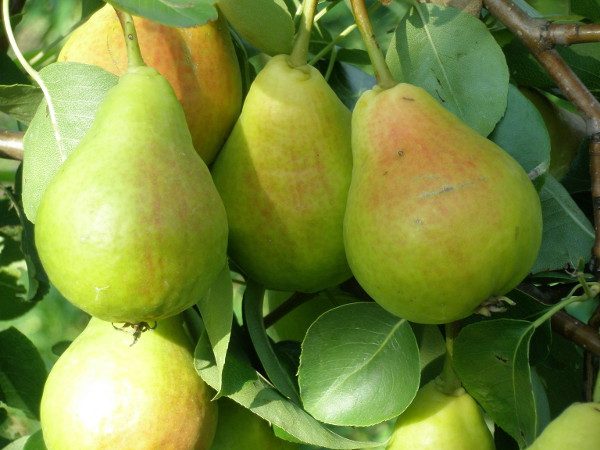
The Lel pear variety delights farmers with its small fruits (averaging 70 grams, with the largest weighing around 100 grams) with a distinctive pear shape. They are covered with smooth skin with a distinctive glossy sheen. When the pears are ready to be picked from the tree, the skin is greenish, but when they reach full ripeness, the color changes to greenish-yellow. The fruits also have a pinkish blush.
The flesh of this variety's fruit is white, very tender and soft. The taste of Lel is sweet, but also has tart notes. Harvesting is possible as early as the second half of August, but the fruit should be consumed immediately or used for various preserves. It spoils very quickly: its shelf life is about a week.
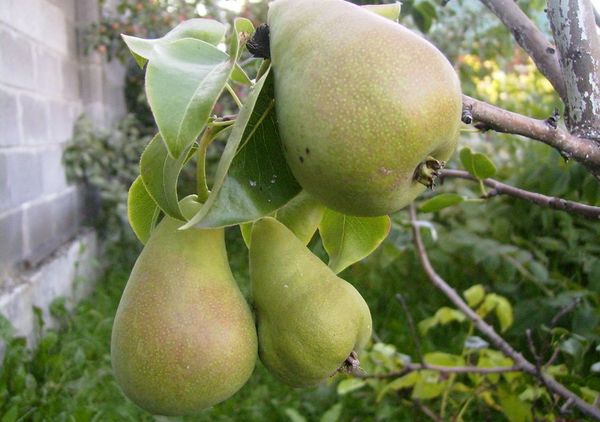
For the same reason, growing this variety for commercial use is extremely unprofitable. The pears are poorly transported, and it's unlikely you'll be able to sell the entire crop in a week. You'll be able to harvest your first crop as early as the fourth year after planting. Overall, this variety produces a good, consistent yield—around 40 kg per tree. The trees also have good resistance to low temperatures and are relatively resistant to disease and pests.
Planting and care rules
To plant a tree, you must first choose a location for it. A well-drained area with a deep water table is ideal. Also, make sure the plants are well protected from the wind by buildings or other trees. Loamy soil is ideal for planting.
Planting is done either in the fall or spring. Preparations should be made in advance: for fall planting, prepare several weeks in advance, but if you decide to plant the tree in the spring, dig the hole in the fall. The hole should be relatively deep, approximately one meter by one meter.
Fertilize the soil thoroughly and mix it with the soil. Allow the soil to absorb the nutrients before planting. Choose a good, undamaged seedling. Spread out its roots and carefully place it in the hole. Then, cover it thoroughly with soil and compact it.
At first, the tree is tied to a peg so that it does not break in the wind.
To ensure your pear tree produces abundant harvests, you need to follow several important plant care rules:
- Watering. This variety requires plenty of moisture, so water the tree frequently and thoroughly. However, don't overdo it—water only when the top layer of soil is dry enough. And remember to loosen the soil after watering.
- Fertilizer. Feed the tree in spring, summer, and fall. In spring, use nitrogen-containing fertilizers, while in fall, fertilizers containing phosphorus and potassium are recommended.
- Pruning. Perform sanitary pruning, promptly removing dead and damaged branches to protect the tree from potential diseases.
- Winter shelter. This variety is generally frost-resistant, so a mature tree can be covered with just snow. However, a young tree should be covered with spruce branches to prevent it from freezing.
Diseases and pests
This variety has very good disease resistance, so preventative seasonal treatments are sufficient. If disease occurs, use specialized treatments for the specific condition. To prevent insect infestations, treat the plants with a colloidal sulfur solution (for spider mites), Agravertin (for codling moths), Kinmix (for aphids), or Tsimbush (for leaf rollers).
Video "Pear Lel"
In this video you will hear a description of the Lel pear variety.