
Top 10 columnar pear varieties for growing in the Moscow region
Content
Dalikor
The Dalikor variety is an early winter fruit crop. Harvesting occurs in the first ten days of October. Under favorable conditions, the fruit will keep well until February.
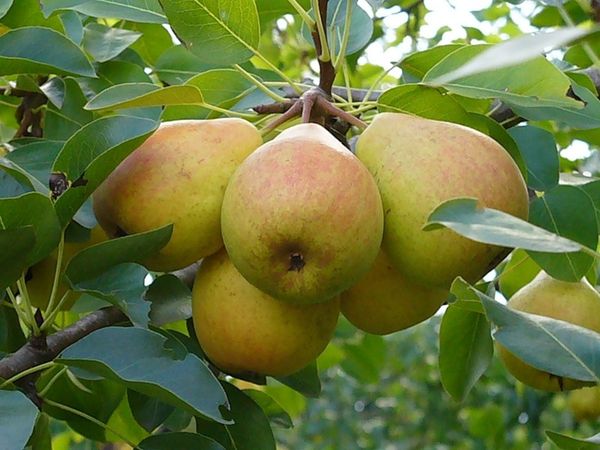
The Dalikor pear is distinguished by its high yield and excellent culinary qualities. The average weight of a ripe fruit ranges from 400 to 650 g. The juicy, creamy flesh has a pleasant, delicate pink hue. The flavor is sweet, with no astringency or granulation.
Decor
The Decora columnar pear is an ideal fruit tree for the Moscow region. Its fruit ripens in late August. The fruits are juicy, aromatic, and very sweet. Each fruit can weigh up to 250 g.
Decora belongs to the group of self-pollinating fruit trees. It is valued for its high frost resistance, undemanding soil type, and resistance to diseases such as clasterosporium and moniliosis.
Carmen
The Carmen pear is a hybrid of the Williams Red and Blankova Daughter varieties. The cultivar was developed by Stanislav Yakovlev. It is characterized by low frost resistance, late maturity, and average fruiting. However, this pear is undemanding in terms of planting and care, thrives in any soil, and is resistant to scab.
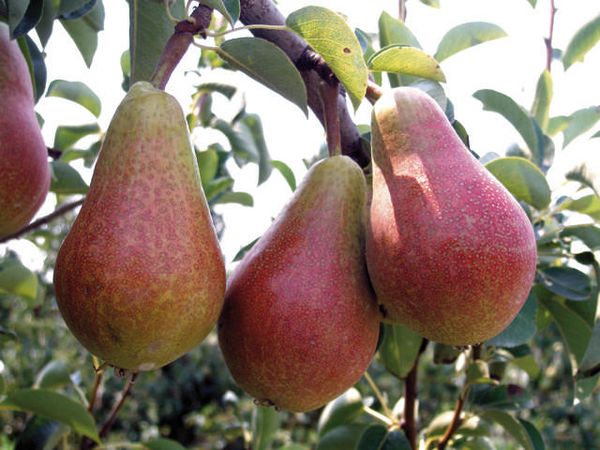
When ripe, the Carmen variety's fruits have a beautiful burgundy-red skin. The shape is regular and uniform. The fruit tastes sweet with a slight tartness, without any astringency.
Yakovlev's favorite
The name itself—Yakovleva's Favorite—indicates that this variety was created by the renowned breeder Pavel Yakovlev. The "parents" are considered to be the varieties "Blankova's Daughter" and "Esperen's Bergamot." This self-pollinating fruit tree requires pollinators for best yield. It is often used as breeding material for developing new pear varieties.
Yakovlev's Favorite is prized for its excellent yield and high winter hardiness. It begins bearing fruit in the fifth year after planting. The harvest begins in early September. The fruit retains its flavor and attractive appearance until November. The fruits are juicy, sweet, and have a distinct quince aroma.
Honey
As the variety's name suggests, these pears possess excellent culinary qualities. The fruits are very sweet, with a honey-like flavor. The juicy and aromatic flesh, with a delicate texture, literally melts in the mouth. The average weight of a ripe fruit is 400–520 g. During heavy fruiting, the fruit may be uneven.
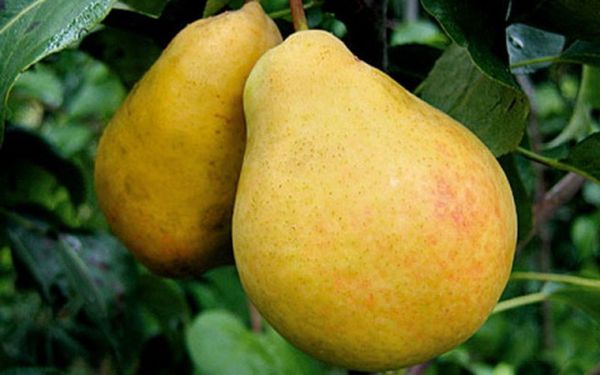
It's an early-bearing fruit tree, with the first harvest occurring in its third year. The Medovaya pear thrives in warm and temperate climates, so it's widely cultivated in the Moscow region.
Tenderness
By crossing the Lyubimitsa Kappa and Tema varieties, a new pear variety was developed, romantically named Nezhnost. The creators were Pavel and Stanislav Yakovlev. The Nezhnost pear is a versatile table variety: it can be eaten raw or used to make jams, preserves, and marmalades.
It tolerates severe frosts well, but does not like drought. Yields are stable and high. However, the harvested fruit does not last more than a month.
Autumn Dream
Autumn Dream is a hybrid variety developed by crossing the Dekanka and Koperechka No. 10 pears. The plant is zoned for cultivation in the Central Black Earth Economic Region. However, it has not gained widespread popularity due to the unattractive appearance of its fruit. The fruits are small and uneven, heavily covered with rust. They are used for processing into compotes, juices, fruit drinks, preserves, and jellies.
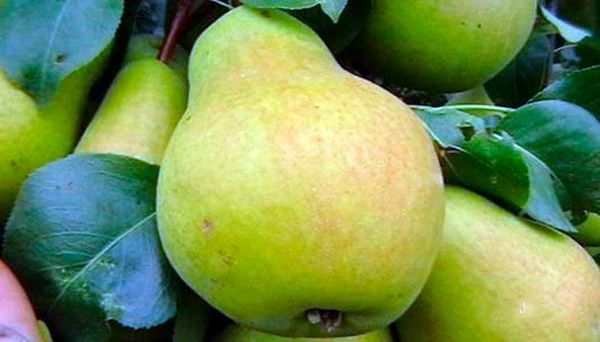
The harvest takes place in the last month of summer. The fruits can be stored until November; if stored longer, they begin to wilt.
Sunremy
The Sanremi pear is an autumn variety. It produces fruit abundantly. It attracts farmers with its positive characteristics: ease of cultivation, adaptability to any soil, abundant fruiting, early maturity, and frost resistance.
The cultivar is self-fertile. The fruits are large, weighing approximately 400 g. The flesh is juicy and sweet, with a pleasant, delicate aroma.
Sapphire
The Sapphire pear is a late-season variety. The harvest begins in late September. The fruits need several weeks to fully ripen. They retain their flavor and appearance until December. The flesh is white, juicy, slightly oily, and has a pleasant sweet-tart flavor.
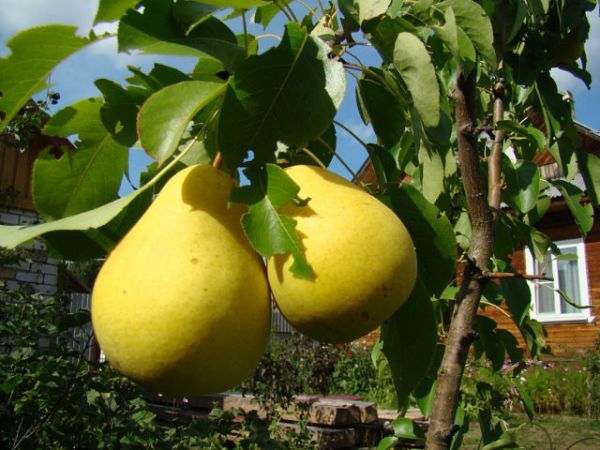
It is highly valued among modern gardeners for its good resistance to various fungal infections and low temperature conditions.
Northerner
Severyanka is one of the best pear varieties for cultivation in the Moscow region. It begins bearing fruit early and subsequently delights gardeners with a consistently abundant harvest. The fruit is harvested in late August and early September. However, it has a significant drawback: it tends to shed its pears as they ripen. For this reason, it is recommended to harvest the fruit two weeks before full ripening.
The fruits have a pleasant sweet taste, no astringency, and a faint aroma.
Video: How to Fight Scale Insects in the Garden
This video will show you how to cure trees of scale insects.