
Review of varieties and cultivation of columnar pears
Content
Description of the columnar pear
Columnar pears were first developed by breeder Mikhail Kachalkin. They received their name because their trunk resembles a column, with fruits growing along its entire length. Characteristics of these pears include the following:
- high fertility;
- compact and small size.
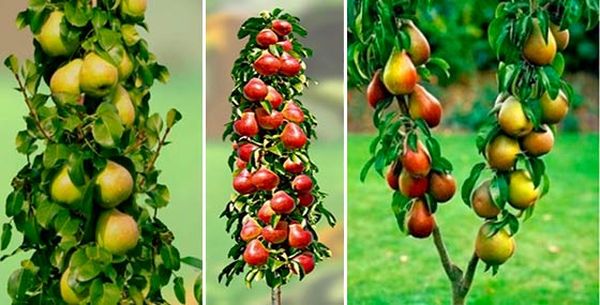
Trees can be either grafted or natural (grown from seedlings). Quince is an excellent base for grafting, but serviceberry can also be used. If planting and care are correct, the tree will bloom in the second year – both after planting and after grafting.
The best varieties
To obtain an excellent harvest, it's essential to plant only the best varieties in your garden. Among columnar varieties, the following are particularly popular:
- Sapphire. Fruiting begins in the third year. Fruit is harvested in September. The pears are oblong, green with a pink tint, and weigh 250 g. Low cold tolerance;
- Pavlovskaya. Produces a harvest in the second year. The fruits are yellow and very tasty;
- G-5. The harvest occurs in late summer and early fall. Fruits weigh 250 g. It has characteristics such as frost resistance and good immunity;
- Sunremy. Fruiting occurs in mid- to late autumn. Pears have excellent flavor. They weigh 400 g. They tolerate subzero temperatures well and require little care.
- G-322. This hybrid begins fruiting in August. The fruits are yellow with a blush. They weigh approximately 160 g. They do not store for more than 2 months;
- G-333. It begins bearing fruit in its second year. The fruits have excellent flavor. The tree is often used in landscape design;
- Bogatyr. The trees produce large pears weighing around 300 g. They have a sweet taste with a characteristic tartness;
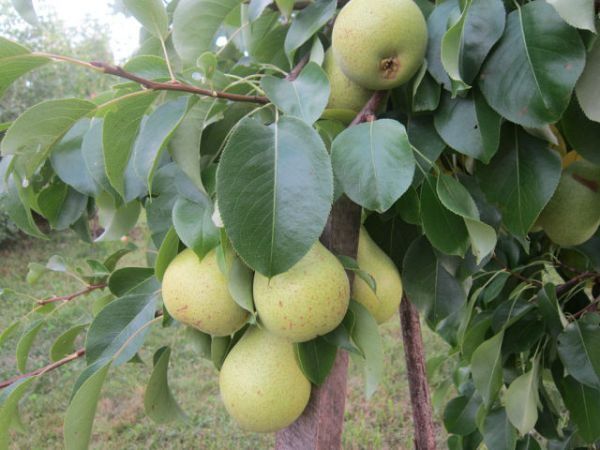
- Tenderness. The tree can grow over 2 m and is highly productive. With proper care, one tree produces up to 10 kg of fruit per season. Harvesting begins in September. The fruits have a shelf life of about 2 months. They are elongated and green-yellow in color. The average fruit weight is 300 g. Tenderness is an easy-to-grow, highly productive, and frost-resistant variety.
- Dalikor. Particularly popular among gardeners, Dalikor pears have excellent flavor. Moreover, the trees require little care to produce abundant fruit. They are small in stature, rarely growing taller than 1.5 meters. Therefore, they are a favorite among gardeners in many regions of our country.
These are the best pear varieties. However, when choosing them, you need to consider the climate of the growing region. This is essential for successfully growing trees in your garden.
In addition to the varieties described above, there are many other cultivars of this fruit crop (for example, Yakovleva, Lyubimitsa, etc.). These also have decent characteristics, but may be somewhat inferior to the varieties mentioned above in terms of fruit flavor.
Features of cultivation
Regardless of the variety chosen, the seedling requires proper care. This fruit tree can be planted in spring or fall. However, each season has its own characteristics that must be taken into account when planting young trees in their permanent location.
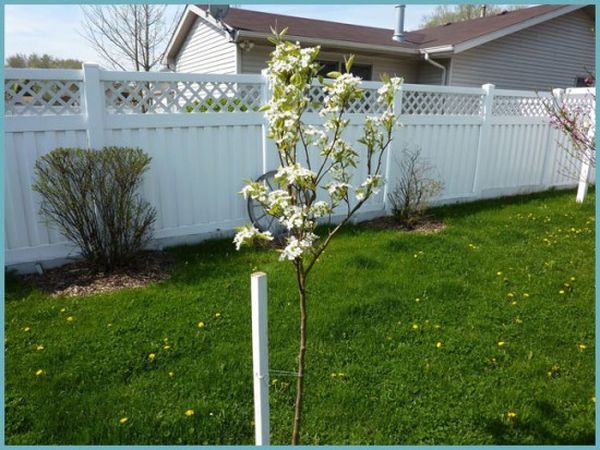
Any pear (columnar or not) requires proper spring or autumn treatment.
During the season, the following manipulations must be performed:
- pruning. It is carried out both in early spring and in autumn;
- Fertilizing. This is especially important during the flowering and fruit ripening periods;
- Treating trees against parasites and pathogenic microflora. Spraying should be done in the spring before flowering and in the fall after harvest.
- Loosening the soil around the tree trunk. This prevents the formation of a soil crust and weeds;
- Mulching. Mulch, spread around the tree trunks, can reduce the need for watering. This layer also helps prevent weed growth.
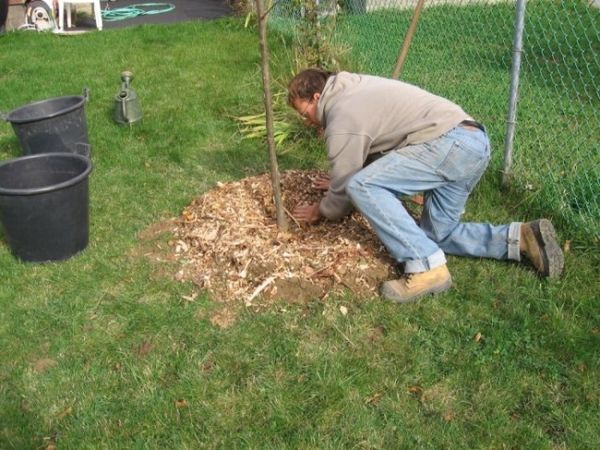
As you can see, the work involved with columnar pears is almost identical to that required for regular varieties. Even an inexperienced gardener can handle these cultivation processes. However, one caveat is worth noting: pruning for these pear varieties requires a special approach. This involves removing underdeveloped branches that have formed over the season. These branches are unnecessary, as the fruit forms on the trunk. However, if left on, they will draw away nutrients.
Advantages and disadvantages
All columnar pear varieties have both advantages and disadvantages. Among the advantages of pear trees, the following should be highlighted:
- compactness. Trees do not take up much space;
- precocity. Fruiting usually occurs in the 2nd year of life;
- a wide variety of varieties;
- fruits are distinguished by excellent transportability;
- good yield.
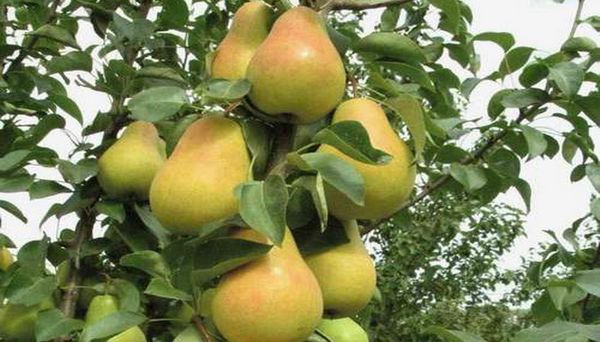
However, despite a number of advantages, these trees also have some disadvantages. For example, their lifespan is about 10 years, which is much shorter than that of conventional varieties. Also, when caring for these varieties, careful use of organic fertilizers is necessary.
As we can see, the columnar pear will be a successful acquisition for any garden.
Video: "What are columnar pears?"
In this video, an expert will explain what makes columnar pears so interesting.