
Top 7 Dwarf Pear Varieties
Content
Bere Ardanpon
This dwarf pear is a winter variety and is known for its good yield. Bere Ardanpon also delights farmers with its relatively large, bell-shaped fruits (up to 200 g). The fruit is covered with smooth skin, which turns yellow when ripe. The flesh is very tender, buttery, and has a pleasantly sweet flavor. The tree begins to bear fruit four years after planting.
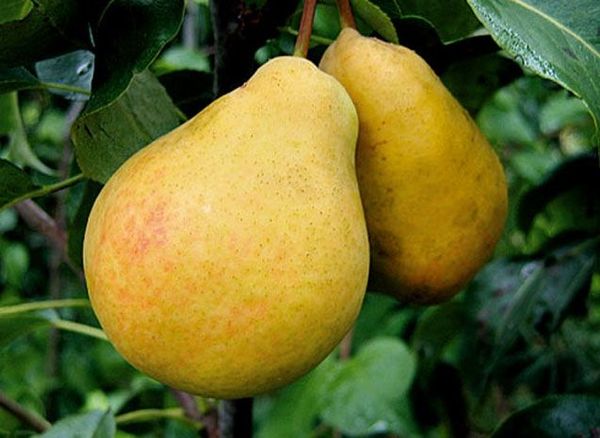
A disadvantage of Bere Ardanpon is the uneven ripening of the fruit: by the time all the pears have ripened, some of them have already fallen off. The Bere Ardanpon pear variety also doesn't tolerate low temperatures well and is susceptible to common diseases, which complicates cultivation. However, it's worth noting that the fruit has excellent shelf life and transportability.
Bere Hardy
This small pear tree has a dense, pyramidal crown. Its fruits are quite large (approximately 150–200 g), elongated, and oval. Ripe fruits have a beautiful golden color and numerous brown spots across the surface. The flesh is unusually tender, with a wonderful dessert flavor and a distinctive pear aroma. This pear tree, grown on a dwarf rootstock, begins bearing fruit five years after planting, and the harvest begins in the second half of September.
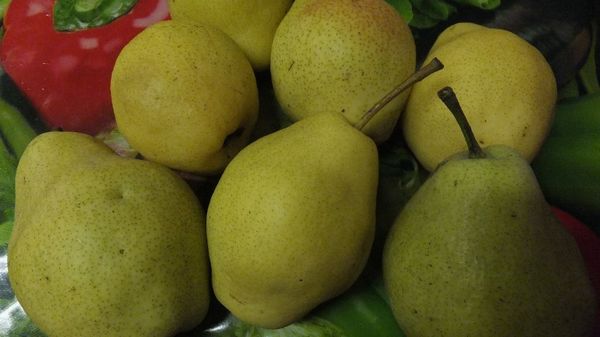
A drawback of Bere Gardi is its low resistance to white spot, although scab is extremely rare. A distinct advantage of Bere Gardi is its excellent shelf life—under proper conditions, it can be stored for up to four months. Bere Gardi fruits are also often used for winter preserves.
Veles
An autumn pear variety that reaches no more than 3 m in height. It has a fairly dense, spreading crown with a pyramidal shape. Fruits can weigh up to 180 g. The skin is a beautiful golden color with a pinkish blush. The flesh is very juicy, tender, and buttery, and the fruit tastes unusually sweet. You'll have to wait at least five years for the first harvest, but Velesa produces fruit reliably. Planting and caring for the Velesa pear are no different from other dwarf varieties.
A disadvantage is the average shelf life of the fruit (only about 2 months), but overall, Velesa has many positive characteristics.
Grand Champion
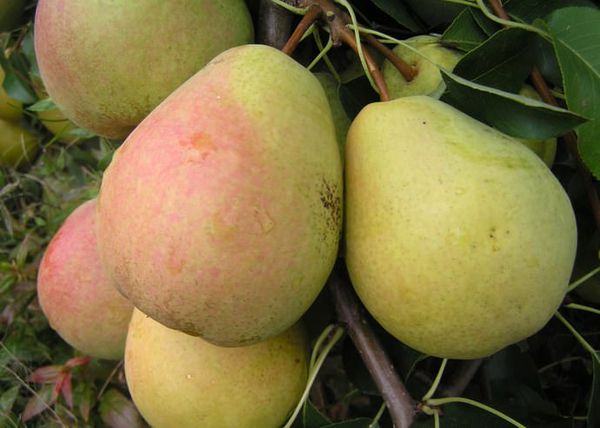
This is a rather demanding variety. Before planting, ensure the soil and temperature requirements are met. The trees themselves are low-growing, reaching a maximum height of 2.5 m. The fruits are quite large, weighing up to 250 g, and are golden with an orange tint. The tender flesh is a beautiful creamy color and has a sweet, yet tart flavor. The pear tree begins to bear fruit three to four years after planting, and harvesting can begin in the second half of September.
A disadvantage of the Grand Champion, in addition to its demanding soil and temperature conditions, is deschimerization—some fruits may have a shape different from that typical of this pear variety. However, the Grand Champion yields a good harvest, and the fruits retain all their nutritional qualities for up to four months.
Patriotic
This winter pear variety was developed relatively recently by crossing two cultivars – Bere Bosk and Dekanka Zimnyaya. The tree grows up to 3 m tall and has a spreading crown. The fruits are medium-sized (approximately 150 g), yellowish in color, and covered with a light blush. The creamy, juicy flesh has a characteristic sweet flavor with a slight tartness. The harvest is not until mid-October, but the fruit can be stored until spring. The tree bears fruit in the fourth year after planting.
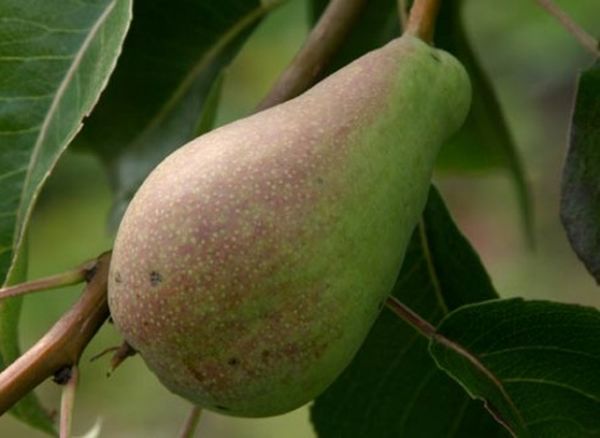
Domestic is an excellent choice, as the variety is winter-hardy, resistant to scab, and the fruits have an excellent marketable appearance.
Parisian
Another winter pear variety. Although the tree grows short (up to 3 m), the fruits can weigh up to 250 g. They are covered with smooth, greenish-yellow skin, dotted with numerous brown spots and specks. As they ripen, a pinkish blush appears. Under the skin lies very juicy and slightly oily flesh of a beautiful creamy color. The Parisianka has a sweet, slightly tart flavor. The harvest can begin in early October. You'll get your first fruits as early as the third year after planting.
The undoubted advantages of the Parisian variety are the excellent shelf life of the fruit (up to 5 months) and good resistance to major diseases (for example, scab).
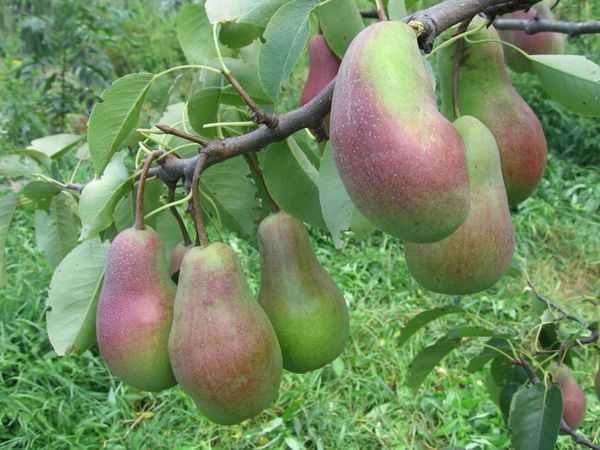
Rossoshanskaya is beautiful.
Rossoshanskaya Krasivaya is an early autumn variety. Its fruits are not very large, but have a characteristic pear shape. The skin is golden, with a red blush on top. The flesh is very sweet and juicy, with a creamy hue. The fruits themselves are best eaten immediately after harvesting, as they have a shelf life of just over a month. The tree begins bearing fruit as early as the fourth year after planting, producing consistent yields. It has good resistance to low temperatures and major diseases.
Video: "Fighting Rust on a Pear"
This video will show you how to combat rust on a pear tree.