
How to insulate a pear tree for the winter and prepare it for the first cold weather
Content
The purpose of insulation
The pear tree is a more heat-loving plant than, say, the apple tree. Therefore, the climate of the Russian Federation, especially in the central and northern regions, requires special attention to the insulation of pear trees. Careful winter protection of young pear trees is crucial. The plant's roots are still too weak to support the tree through the winter.
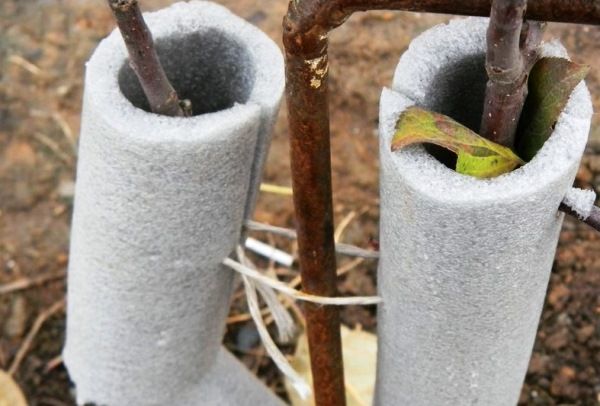
Older trees require less insulation. If insulation isn't taken seriously, the pear tree may simply not survive the winter. Therefore, anyone interested in growing this crop should know how to prepare a pear tree for a cold winter.
Video: Preparing a Pear Tree for Winter
This video will show you how to prepare a pear tree for winter.
Work order
Before insulating, it is necessary to carry out a number of additional works:
- Removing leaves. This is actually quite controversial. Some argue that fallen leaves are an excellent source of insulation and recommend leaving them around the tree's trunk. Others recommend removing leaves, as they can harbor various pests that can burrow into the tree's trunk, branches, or root system during the winter and introduce infections.
- Autumn pruning of pear trees. This simple process allows you to remove damaged branches early and ease the work of the tree's root system. You can also prune any shoots that are growing incorrectly. Pruning is usually done two to three weeks before the first frost. Be sure to treat all pruned areas with special solutions to ensure the tree survives the winter without any problems.
- Fertilizing the tree. This is done in the form of additional fertilizers and generous watering before the winterization process. Fertilizing will allow the pear tree to receive additional nutrients throughout the winter.
Once the ancillary work has been completed, you can begin the actual process of covering the tree. This involves choosing the material and the insulation technique used.
Selection of material
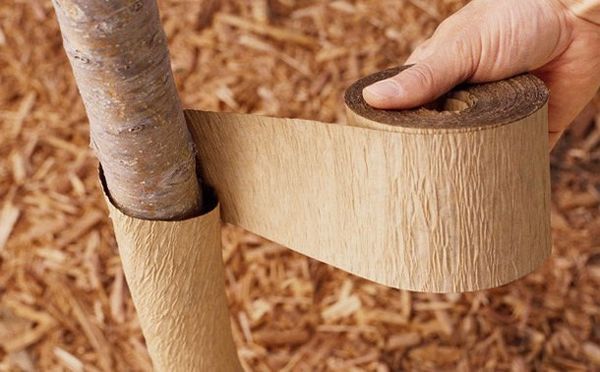
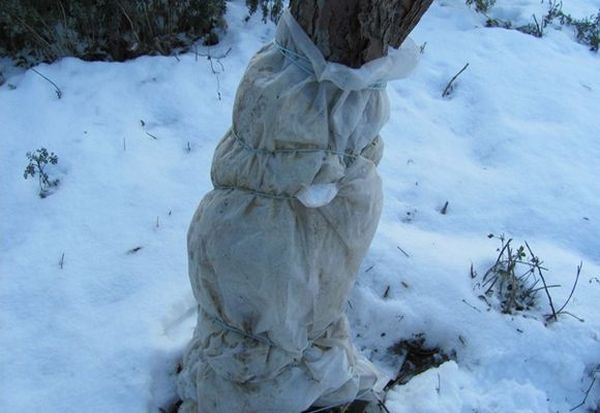
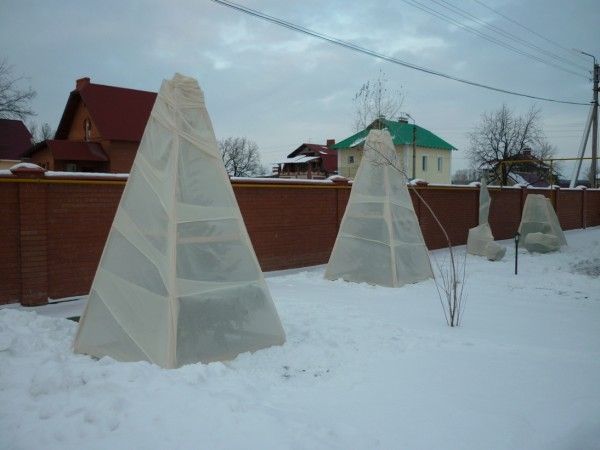
In the northern regions of the country, as well as in the central zone, among the materials that can provide insulation for a pear tree, you can most often find:
- spruce branches;
- brushwood;
- sticks;
- boards;
- poles.
This choice is due to the rather harsh winters; a pear tree will practically not survive without additional and careful insulation.
Southern regions cope with this situation a little more easily. Burlap, polypropylene bags, canvas, or agrofibre are suitable as insulation.
Shelter technique
Covering a pear tree is done in several simple steps:
- Insulating the root collar. To do this, first cover the area around the tree trunk with a mixture of peat, straw, humus, sawdust, and dried leaves. The maximum mulch layer depth is 5 cm. This process is especially important for insulating the root collar of a young seedling. This step will protect the tree from excess moisture and unexpected frosts.
- Insulating the trunk and skeletal branches. To do this, remove the supports—the branches should bend toward the ground. Sometimes, so-called weights, such as bags filled with sand or dry soil, are used to push the skeletal branches down. After the branches have been lowered, they can be wrapped, along with the trunk, with covering material. First, make holes in the material to ensure continuous air circulation.
It's important to remember that using synthetic and waterproof materials is not recommended. Otherwise, moisture will accumulate on the wood side, triggering the rotting process.
Finally, as soon as the first snow falls, it should be piled under the pear tree's trunk. This will provide additional insulation and create the effect of a warm blanket.
If the pear tree is already old, there's no need to cover it completely. Insulating the area around the trunk will be sufficient. Only small seedlings require extensive protection.
Features of insulation in different climates
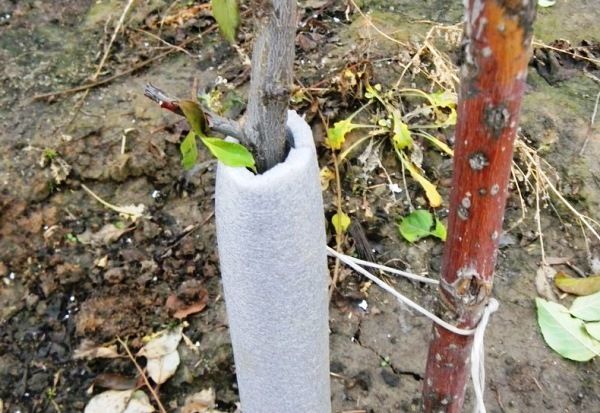
There are several ways to cover a pear tree, depending on the region in which the pear tree is planted:
- Central Russia. The Leningrad and Moscow regions are examples. The climate here is not particularly harsh, and to ensure the tree survives the winter, standard insulation is necessary. This includes removing leaves, pruning dead branches, and covering the area around the trunk. Small branches are suitable as a covering.
- The Volga region. The region's moderate climate allows for mulching only. This involves first clearing away leaves from the area. Then, carefully digging around the tree trunks. This ensures the roots receive additional oxygen. Mulching follows.
- The Urals. The climate here is colder. To help the tree cope with the cold, it's worth adding additional fertilizer for the winter. Insulating the pear tree itself is done in the standard way, using bags or paper.
- Siberia is a rather harsh climate for pear trees. In this case, it's crucial to insulate the pear tree with the utmost care. Otherwise, the tree will die. First, mulch the area, then cover it with a layer of small branches. The layer should be quite thick. After the branches are applied, snow is piled onto the area around the trunk. It's also advisable to insulate the trunk and branches to prevent pest attacks and allow the tree to withstand frost.
The pear tree can survive the winter in any climate of the Russian Federation.
If you take a responsible approach to insulation and properly prepare the pear tree for cold weather and unexpected frosts, then in the summer the pear tree can delight the gardener with juicy and large fruits.