
Description and development of the autumn pear variety Gvidon
Content
Description and characteristics of the variety
It's worth starting with the characteristics of this variety. Fruiting begins in the fourth year after planting. Each tree regularly produces high yields. The average yield is up to 55 kg per pear. The variety is moderately winter-hardy and highly resistant to diseases and pests. The harvesting season begins in early September. The only drawback of this variety is that the harvest retains its marketable appearance and flavor for no more than 10 days.
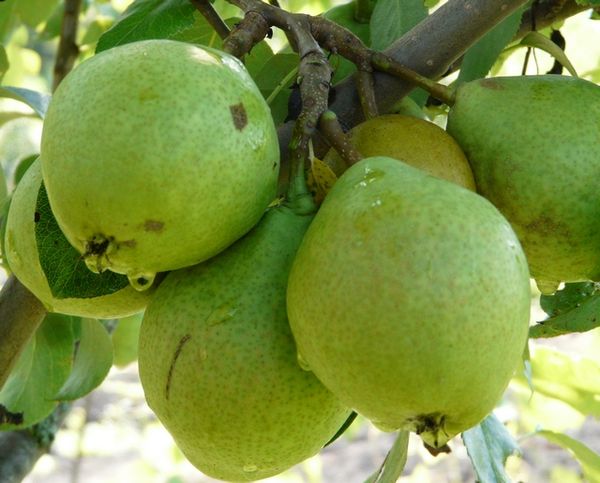
The variety description includes a physical description of the tree and its fruit. The cultivar is considered low-growing, reaching a height of no more than 3.5 m. The crown is broadly pyramidal or spherical. Strong, large-diameter shoots grow vertically. The average fruit weight is from 100 to 140 g. It is covered with light green skin with a distinctive yellow tint and large dark green speckles. The dense, yellow flesh is grainy and quite juicy. The fruit has a sweet, slightly tart flavor.
Features of cultivation
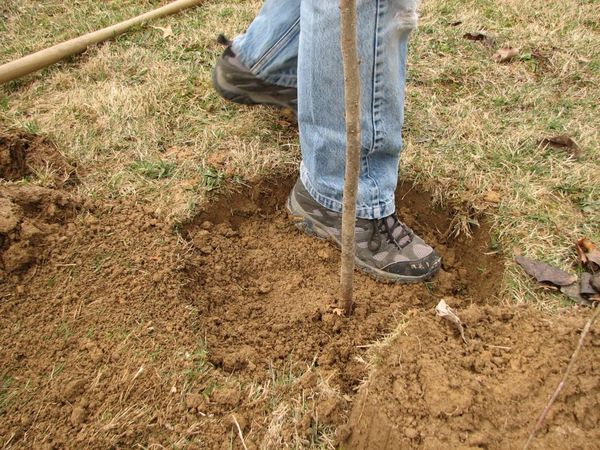
To successfully grow the remarkable Gvidon pear variety in your garden, it's important to know the planting and cultivation guidelines. Choose a spacious, well-lit spot with well-drained soil for the seedlings. Add nutrient-rich soil mixed with humus and ash to the hole. Place the seedling so that the grafting point is 5 cm above the soil surface. Gently compact the soil after planting. Trim the top of the tree, leaving no more than 90 cm. Water the tree thoroughly.
Caring for a young tree is also quite simple. It grows quickly and requires ample watering. A mature tree requires 10-15 buckets of water. Sprinkling the crown with a garden hose is prohibited. It's best to water the soil around the trunk with a garden hose.
The frequency of watering depends on weather conditions.
This procedure is not performed in the spring, but during a dry summer, the tree will need to be watered several times. If there is no rain, watering is done during fruit formation. Watering in the fall after harvest will not only establish a new crop but also protect the pear tree from frost.
If you discover pale, sparse leaves and thin, elongated shoots during tree inspection, you should apply nitrogen. Urea has proven effective and is applied in spring and fall. A mullein infusion is also suitable. When the tree is blooming and the fruit is ripening, mineral fertilizers are needed to improve their flavor.
You can use a wood ash solution or phosphorus-potassium complexes with other micronutrients. Although the plant has strong immunity to viruses and pests, prevention won't hurt. Both Bordeaux mixture and insecticides are used. The latter are also used to combat diseases and insects that appear on the pear tree.
Formation rules
The crown of a fruit tree can be formed through formative, sanitary and rejuvenating pruning.
Formative pruning is especially important for this variety in the first few years. Properly performed, the gardener obtains a tree with a strong frame that can withstand a bountiful harvest. Pruning also increases the exposure of the crown to light and influences the longevity of the plant.
To speed up fruiting and increase yield, shoots directed inward are removed. Only the central trunk should remain. The main skeletal row normally consists of five first-order shoots directed in different directions. No more than seven second-order branches are left. A few small branches are also left. Weak and damaged shoots must be removed.
Video: "Proper Pruning of a Pear Tree"
This video will show you how to prune a pear tree.