
History of the origin and description of the Forel pear
Content
History of origin
There is no reliable data on the origins of this amazing variety. It was first described in 1979, but cultivation of a pear with an unusual, color-changing skin has been traced back to ancient Saxony (modern-day Germany), suggesting its ancient origins. Large quantities of Trout were also harvested at that time in Argentina, Australia, and several US states.
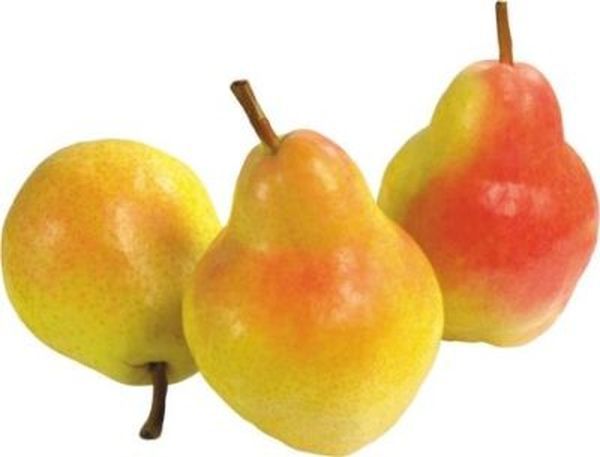
The Trout variety is considered one of the most beautiful and aromatic, although it is very rarely featured in culinary recipes. The pear was most widely cultivated in America, where it remains a staple delicacy and a staple of dessert tables. Its unusual name, Trout (sometimes called Trout), comes from the fruit's coloring, which changes as it ripens, and is comparable to that of a rainbow trout.
Description of the variety
The main reason pears are rarely grown in our orchards is their poor survival rate and vulnerability to many diseases. The Forel variety is a very productive one, but it is capricious and sensitive to external factors. Even during flowering, trees can be affected by diseases such as black canker and fire blight, and in humid summers (fog and rain), scab and other fungal diseases. This variety is also very susceptible to aphids, requiring repeated treatments of the crown with special preparations.
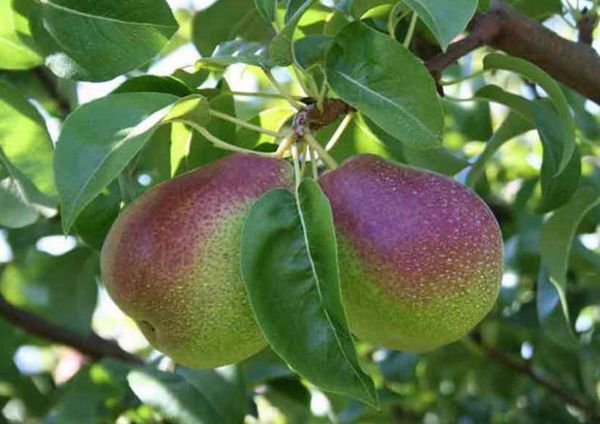
Young seedlings take a long time to establish, so it's important to choose the right location for your pear tree from the start to avoid replanting later. It's equally important to have fertile, well-drained, and moderately moist soil, as overly dry or waterlogged soil negatively impacts pear tree growth. If optimal conditions are created, the first harvest can be enjoyed as early as the second year after planting, and full fruiting can be expected in the third or fourth year.
This pear variety tolerates low temperatures quite well, but it is better to cover the trees for the winter.
The Forel pear tree blooms earlier than other pear trees. Its delicate white flowers, with a slight pinkish tint, have a sweet aroma that attracts numerous insects. This is crucial for the harvest, as the variety requires pollination. In terms of ripening time, the Forel tree is considered an autumn variety. The fruits reach full maturity by mid- to late October.
Characteristics of the tree and fruits
The Foreli pear tree reaches a medium height (5–6 m). The spreading crown is formed by numerous thin, upward-facing branches. The trunk and shoots are gray-brown, the bark is smooth, without bulges or roughness. The leaves are glossy, dark green, with smooth edges.
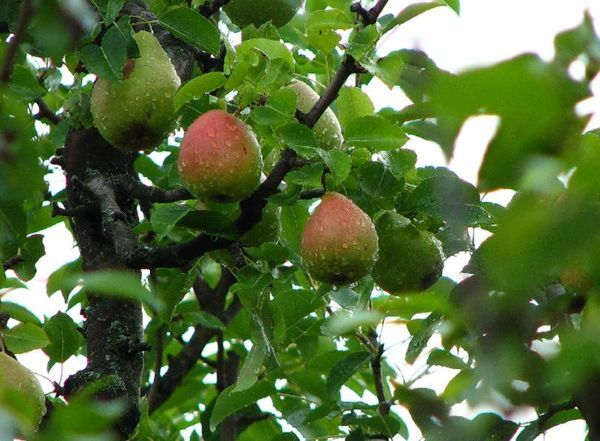
The fruits are not very large (120–150 g), but they are beautiful and smooth, with a perfect pear shape and a short, slightly inclined stalk. The skin is smooth and very thin, making this variety highly prized. It is green in summer, turning yellow as it ripens, developing a crimson blush on one side. A fully ripe fruit has golden-yellow skin, completely covered with red specks resembling freckles.
But the pear's attractive appearance isn't its only advantage. Its white, fine-grained flesh also boasts exceptional flavor—when fully ripe, it's sweet, slightly tart, and hints of cinnamon.
Harvesting and storage
Forel pears are typically picked before they are fully ripe. If the fruit is picked while still firm and left to ripen in a cool, dry place at 5–8°C, the shelf life can be extended to 6 months. This method is used commercially. Fully ripened fruit, picked from the tree at the end of October (the natural ripening season for Forel), can be stored for up to 1 month, or 2 weeks at room temperature.
Video: "Pear Tree Care Guidelines"
This video will show you how to properly care for a pear tree.