
Characteristics of the fruits and pears of the summer variety "Children's"
Content
Description of the variety
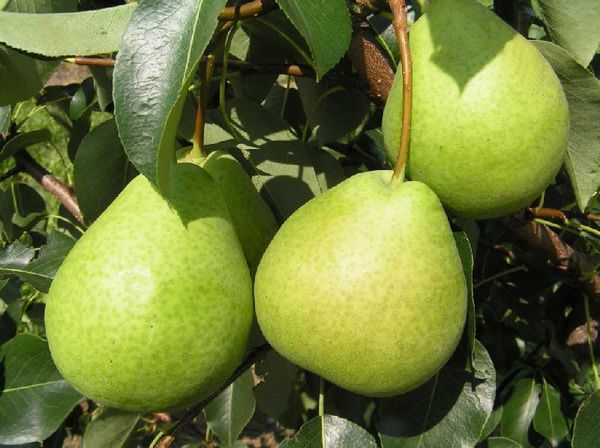
The Detskaya pear is difficult to distinguish from other summer varieties by its appearance. It is especially similar to its closest relative, the Duchess variety. The Detskaya pear has its own advantages and disadvantages.
The advantages of this variety include:
- abundant harvests;
- tasty fruits;
- early ripening period.
Let's also note the disadvantages:
- small fruits;
- Regular crown pruning is required.
Characteristic
fruits
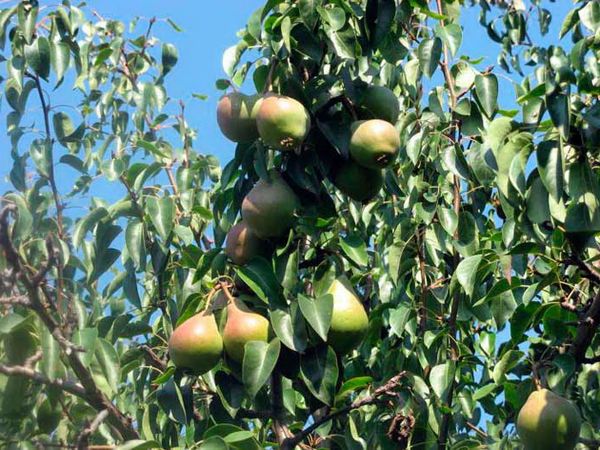
The fruit's creamy flesh is very juicy and sweet. Pears can be eaten as early as July, but they won't ripen until mid-August. Each fruit weighs between 60 and 80 g. The skin is light yellow with a pink blush, and the surface is uneven. The calyx is medium-sized. The brown seeds are small, and the stalk is neither too thick nor too long. Pears can be stored in the refrigerator for up to 1 month. The short shelf life is due to the high sugar content of the pulp. The fruit is suitable for both fresh consumption and processing.
Trees
The Detskaya pear variety is considered a tall tree. It can reach a height of 4 meters. The crown is pyramidal. Branches are few, but very thick. Typically, all shoots extend upward. In spring, the branches are covered with dark green leaves. The Detskaya pear is only partially self-pollinating, so bees are essential for a good harvest. The first flowers appear 4-5 years after planting. Fruiting will continue thereafter.
Features of cultivation
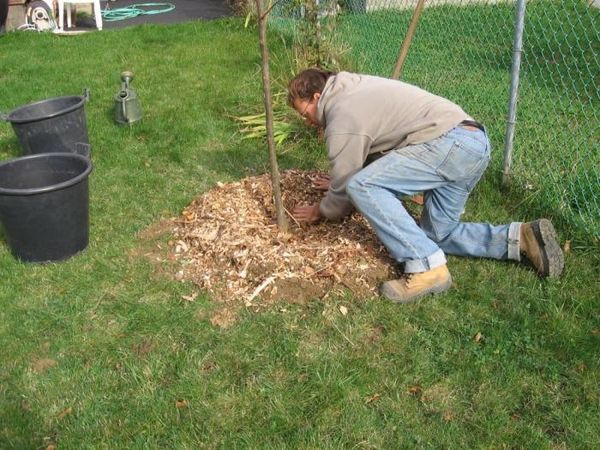
Planting the early pear variety "Detskaya" is virtually the same as planting apple trees. If you plan to plant several saplings at once, keep them at least 5 meters apart. Some pear varieties are sensitive to sudden temperature changes, but this does not apply to the "Detskaya" pear. Therefore, don't worry about the upcoming winter. To avoid problems, choose the right sapling—one that is free of breaks or other damage and has well-developed roots. A one-year-old sapling should have a root length of 20 cm, while a two-year-old sapling should have a root length of 30 cm.
Dig a planting hole about two weeks in advance. It should be 60 cm deep and 10 cm in diameter. Plant the seedlings in spring or fall (the latter is preferable). Fertilize the hole, add black soil to the bottom, and lay down some inverted sod. Make a small mound of soil, place the tree in it, and tie it to a stake driven into the ground on the south side. Then cover with soil. Gently compact the soil with your feet. Ensure the root collar is 5 cm above the ground. Water the tree generously for two months after planting.
In the first spring, don't forget to loosen the soil around the trunk. For good growth, mulching the soil surface and controlling weeds are essential. Shaping the crown is also a gardener's responsibility. Fertilizing the pear tree should begin in the second year, around early spring.
Video: How to Choose the Right Pear Variety
In this video, a specialist will explain how to choose the right pear variety for your garden.