
Why do pear tree leaves curl and how to treat the tree?
Main reasons
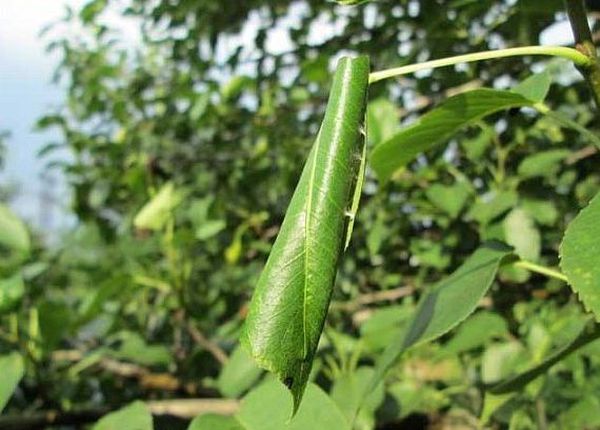
If the leaves of a pear tree curl into a tube and then turn black and fall off, there may be several reasons why this is happening:
- the tree lacks nutrients;
- it lacks moisture;
- the plant is affected by a fungal or bacterial infection;
- the pear tree fell victim to a virus;
- The tree was attacked by pests.
To understand for sure why the leaves are curling and sick, you will need to carefully examine the tree. In some cases, a simple treatment with a protective compound can save the situation, but sometimes a more drastic solution is required, even cutting down the pear tree.
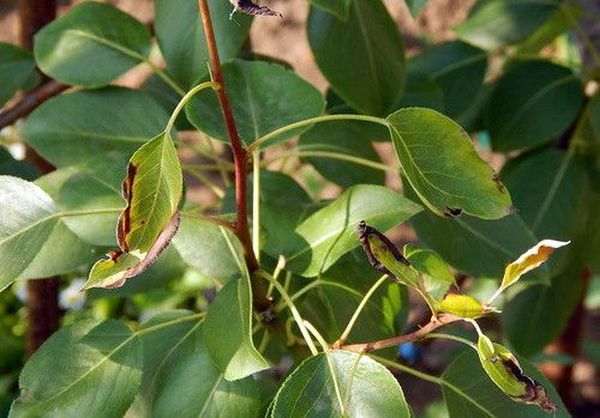
A nutritional deficiency (particularly calcium) manifests itself as darkening of the leaf edges, which begin to curl at the tips. Sometimes young trees lack boron, causing the leaves to turn black and curl, and young branches to stunt. If a tree lacks magnesium or phosphorus, the lower leaves are the first to suffer: they become smaller, curl, and fall off. And when a fruit tree is severely deficient in potassium, the foliage takes on a corrugated appearance, brown streaks appear on the surface, and the leaves themselves curl.
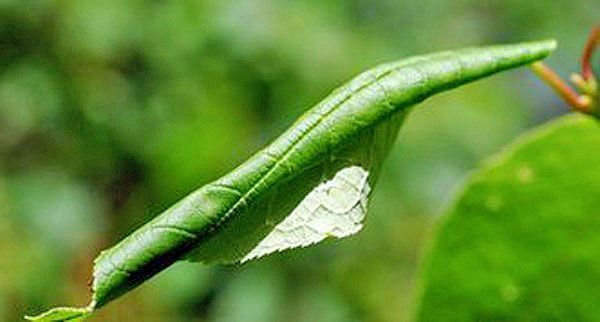
It can sometimes be difficult to distinguish between trace element deficiencies and the development of infectious diseases. A lack of positive results after foliar feeding should be a warning sign.
Viruses include a disease called trunk grooving: cracks appear on the tree, through which pathogenic microflora penetrates the tree, disrupting natural metabolic processes.
Bacterial microflora enters the plant with rainwater, penetrating through existing mechanical damage on the trunk surface. In this case, not only do the leaves curl and become diseased, but the ovaries wilt, and young fruits become covered with brown spots. Interestingly, a mature tree affected by a bacterial infection appears scorched. If a seedling less than two or three years old is infected, it inevitably dies.
Another scourge of fruit trees is fungus in all its forms. Its presence is indicated by characteristic brown spots on the surface of the leaves, gradually spreading to the fruit.
And, of course, insects. Their waste products also have a negative impact on the leaves: for example, aphid colonies cause them to curl up into a shapeless ball. This light-green, miniature insect can completely deplete a mature tree of its sap.
Tree treatment
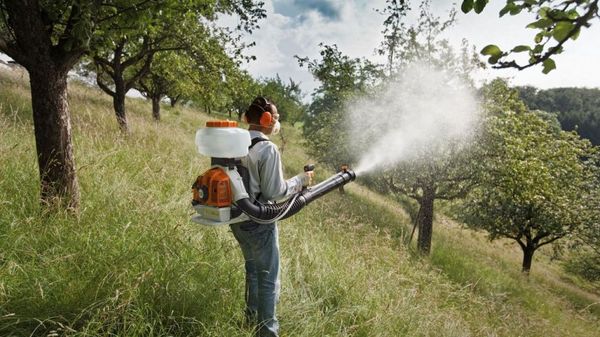
What should you do if the leaves on your beloved pear tree are curling? How should you treat the tree to save it? Your course of action will depend directly on the identified cause of the curled leaves. In early spring, you should treat the garden with Bordeaux mixture. This can be done in several stages to kill existing parasites and pathogens, as well as prevent the development of new generations. All curled leaves should be completely removed to prevent them from spreading the infection. If signs of the disease have spread to branches, they should also be removed.
Mineral fertilizers used for foliar application, such as urea and potassium chloride, are effective in combating fungal infections. Throughout the summer, the plant can be periodically treated with a mixture of insecticide and fungicide, such as Actellic and Skor. Regular rejuvenating pruning plays an important role in combating diseases.
Don't forget to also remove all fallen leaves before wintering.
Prevention
But it's better to take preventative measures before signs of disease appear, preventing the disease from progressing. To prevent leaves from curling, simply follow these simple steps:
- treat the pear with special protective preparations;
- carry out regular pruning;
- do not violate the watering and fertilizing regime;
- remove fallen leaves in autumn;
- get rid of degenerate ovaries and fruits;
- whitewash the trunk every spring.
Video: "Pear Diseases and Their Control"
This video will tell you about pear diseases and how to control them.