
Why does rust appear on a pear tree and how can it be treated?
Content
Reasons for occurrence
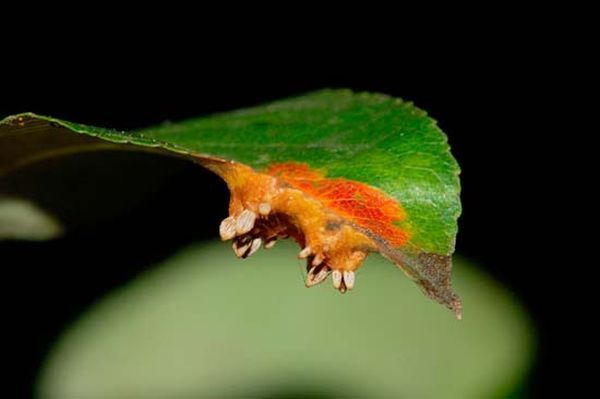
Pear leaf spots are caused by a fungus. Typically, the main symptom of this disease is orange spots on the leaves, which may initially appear as wilting. The fungus itself can attack your garden in several ways.
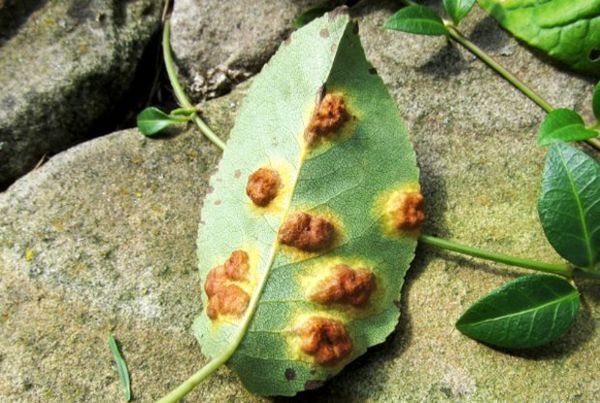
Juniper is a breeding ground for bacteria. Therefore, planting it near other trees can quickly result in numerous infected plants. Recognizing an infected plant is easy: in the fall, characteristic thickenings appear on the branches, which later develop into swellings or small wounds. By spring, myceliums appear, and the spores spread throughout the garden, infecting healthy trees. Since the wind can carry the spores over long distances, juniper doesn't necessarily need to be growing in your garden—it only needs to be nearby.
The disease can also appear due to improper agricultural practices or certain weather conditions.
Features of the disease development
Some may think the appearance of yellow-orange spots on leaves is a minor problem, as there are far more serious diseases. However, don't let things slide, or you could lose the entire tree. Rusty-orange spots typically appear in the spring. At first, a rusty spot on a leaf may seem like the result of sun exposure, but it's worth observing the trees. If by summer the number of leaves that look corroded increases, this is rust, and the plants need immediate treatment.
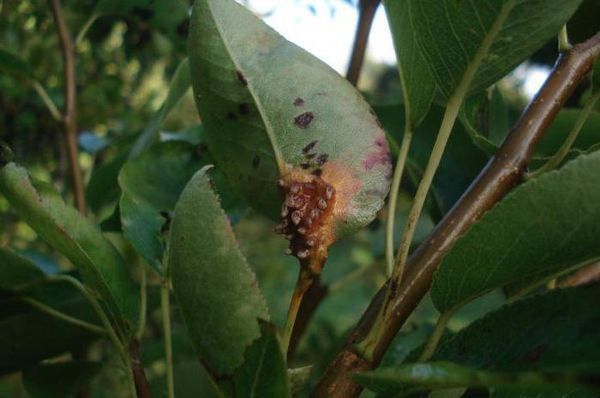
If no measures are taken to combat pear disease until autumn, mycelium may appear on the leaves. These myceliums form spore-filled lumps. Once these lumps burst, the spores are released, and the autumn wind carries them throughout the area, reinfecting the conifers.
An infected tree is extremely vulnerable and may even die. Rusty spot prevents photosynthesis, which quickly weakens the plant and reduces its immunity. If the infection is not complete, harvest yields are significantly reduced, as is winter hardiness. If left untreated, the entire above-ground portion of the plant may become infected, in which case, unfortunately, you'll have no choice but to remove the entire tree.
Methods of control
So, if there's a risk of rust developing on your pear tree, it's important to know how to treat the infected plant. There are several methods for treating pear rust.
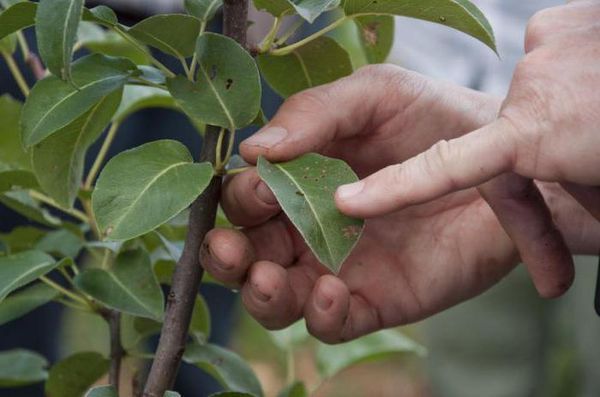
Mechanical. This is the simplest method, ideal if you've detected the disease early, before it has affected many leaves. Using sterile gardening tools, completely remove and destroy the affected shoots and leaves. If the affected wood includes not only the leaves and branches, but also the tree itself, it should be cut away until only healthy bark remains. Afterward, burn the affected wood and thoroughly disinfect all tools.
In addition, do not forget to treat the cut areas by covering them with garden pitch.
Folk remedies. What if you can't treat the pear tree with chemicals (this happens when the fruit has already formed)? In this case, you can combat the fungus with folk remedies that are harmless to humans. Solutions containing a large amount of wood ash are ideal for this purpose. For example, you can prepare a solution according to the following recipe: use about 3 kg of wood ash per bucket of water, boil the mixture for 30 minutes, then strain and cool the infusion, after dissolving half a bar of regular laundry soap in it. Alternatively, you can simply dilute a kilogram of wood ash in 20 liters of water and let it steep for two days. After the infusion has settled, you can strain it and spray the plants.
If you're patient, you can use the old-fashioned method of killing the infestation with ordinary manure. To do this, steep a solution of 5 liters of liquid manure in a bucket of water for two weeks. After the two weeks have passed, strain the solution and dilute it with water again in a 1:2 ratio. You can then safely spray the affected plants.
Some farmers also use herbs, rather than manure, for these purposes. Excellent herbal infusions are made from horsetail or marigold. These infusions are also used to treat plants, combating disease.
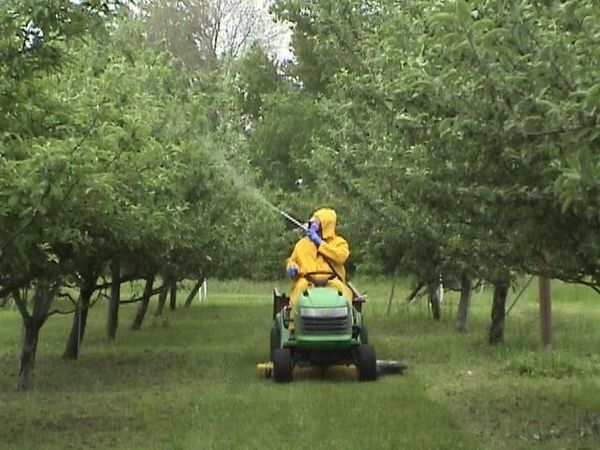
Chemical treatments. If the disease has progressed too far, chemical treatments can help. These are the most effective; a few sprays should be enough to get rid of the infestation. Bordeaux mixture, colloidal sulfur solution, or Skor and Bayleton are suitable for this purpose. Treat the tree three times: during the growing season, after flowering, and during fruit set. Be sure to wear protective clothing to protect yourself from any potential negative effects of working with chemicals.
Prevention
We've covered the control methods, but it's best to prevent this disease from plaguing your orchard. To do this, follow a few simple guidelines:
- Provide your trees with good care. Optimal watering, timely fertilizing, and soil loosening significantly reduce the risk of rust.
- Perform sanitary pruning. Promptly remove all old and broken branches, which could become breeding grounds for bacteria.
- Always destroy fallen leaves, as they may contain fungal spores.
- If you are treating rust on other trees, burn all affected parts to prevent the disease from spreading further.
By following these simple recommendations, you will protect your orchard from rust.
Video: "Fighting Rust on Trees"
This video will teach you how to combat rust on fruit trees.