
Description and varieties of the large-fruited Bergamot pear variety
Content
Description and characteristics
The Bergamot pear variety includes many varieties. They all share one common feature: the fruit is flattened. This variety has been in great demand since the Soviet era. It was widely cultivated because of its abundant fruit production. Bergamot is characterized by its excellent adaptability to environmental conditions. The tree tolerates temperature fluctuations, precipitation, and other factors.
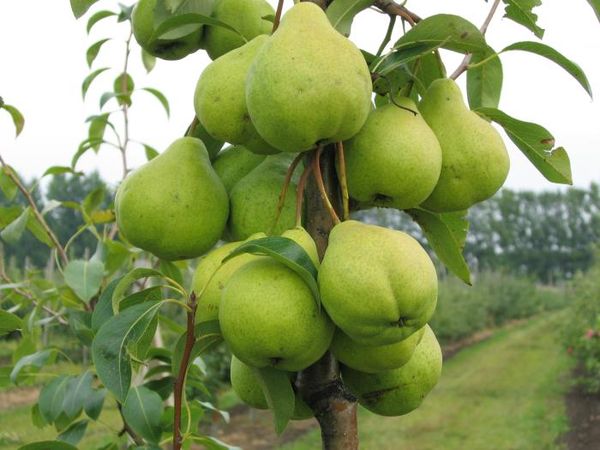
These trees bear fruit annually. Besides their unique shape, pears of this variety contain numerous beneficial substances, including chlorogenic acid and arbutin. These pears can provide relief and serve as an effective remedy for genitourinary disorders.
It's important to note that this variety doesn't tolerate dry soil; the tree must be watered regularly to ensure it receives the necessary amount of moisture.
Main varieties
In the southern regions, autumn bergamot is predominantly grown. In the west, Polish bergamot grows. Frost-resistant varieties exist, but in European countries, heat-loving varieties are predominantly grown. The harvest is in the fall. If stored correctly, the fruits can be expected to remain fresh for two months or more.
Moscow bergamot
The characteristics of the Moscow variety deserve special attention. They are distinguished by a neat crown. The foliage is medium in volume, as is the height of the plant itself.
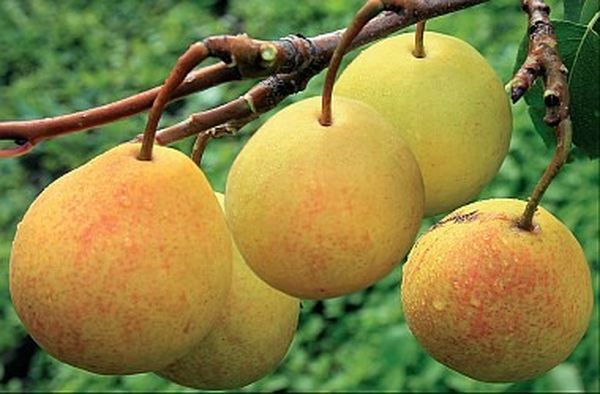
The fruits are green. The Bergamot Moscow pear tastes sweet, but has a distinctive tartness. It begins bearing fruit at four years of age. A single tree can yield approximately 20 kg of pears.
To increase yield, additional pollination with other pears will be necessary. For example, Marble and Space pears are suitable for this variety.
It is worth considering that if stored for too long, the fruits will become astringent and sour.
Autumn bergamot
This is the most popular variety of this cultivar. The tree is medium-sized, with pointed, oblong leaves. There are no serrations. A characteristic feature is frost resistance. One pear weighs approximately 80 g. The flesh of a ripe fruit is soft.
This is a self-fertile variety, but can also be pollinated by other varieties. Despite its many advantages, this variety has several drawbacks. The Bergamot Autumn pear is susceptible to various diseases. In particular, it is often attacked by scab. Furthermore, these trees have low fruit yield. Ripe pears only have a shelf life of three weeks.
Muscat bergamot
This Bergamot pear variety also has a number of distinctive features. The trees are tall, with crown diameters reaching 12 meters. The branches are thick. The tree produces a good harvest, capable of bearing fruit even at 60 years of age. Up to 250 kg of pears can be harvested in a single season. Ripe pears are harvested in August.
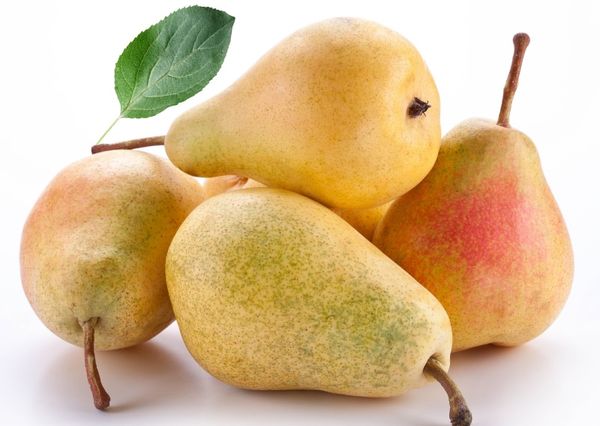
Bergamot in memory of Prince Trubetskoy
The Prince Trubetskoy Bergamot variety is distinguished by its dense crown. The leaves are oblong, and the tree begins bearing fruit at four years of age. Another characteristic feature is its undemanding nature: the plant can be grown in a variety of weather conditions and soils. It is frost-resistant. The harvest is from early September to October. A single fruit can weigh up to 190 g.
The flesh of these pears is juicy. When describing the variety, it's important to note its resistance to various diseases. In particular, these plants are characterized by resistance to fungus.
Features of cultivation
To get a good harvest, you need to choose the right planting location.
It's best to choose well-ventilated, elevated locations. Loam or black soil is suitable. Wet soil is unsuitable. Mature plants require plenty of sunlight. Provide shade for seedlings.
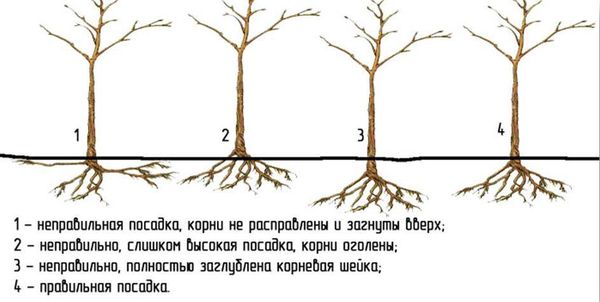
The hole should be dug 0.7 m deep. The optimal diameter is 1 m. The seedling will undergo a period of adaptation to its new environment for the first two years. During this time, it should be watered generously. The branches will grow slowly, as will the trunk.
If you plan to graft this variety, place a healthy branch over a box filled with fertile soil. Bend the branch toward the box for subsequent burying.
Advantages and disadvantages
The Bergamot pear variety has a fairly extensive description, as there are many varieties of this plant. All fruits are juicy and sweet. They are suitable for eating fresh, cooking, and making jam. This variety is most often used for making preserves for the winter. The wood is used for furniture.
Among the downsides, it's worth noting that the plant doesn't fruit early. It's also often susceptible to scab. Otherwise, it's a weather-hardy variety that's easy to grow and requires little special care.
Video: "How to Fertilize Fruit Trees"
This video will tell you how, what, and when to fertilize fruit trees.