
Description and varieties of the Bere pear group
Content
Description of the Bere group
The Bere pear is an ancient fruit tree species, cultivated for over 150 years. It is a classic, many varieties of which were developed in France. They are common in many countries around the world. Today, varieties of this group are actively grown in Ukraine, Russia, Moldova, and Georgia. Wherever they are grown, they are almost always recognized as undisputed leaders.
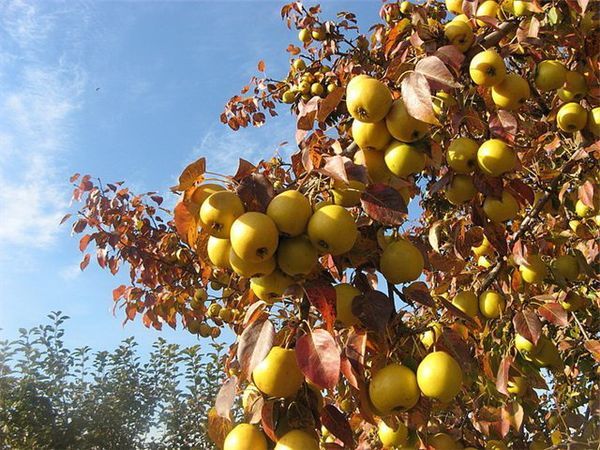
The characteristics of the group include the following points:
- The trees are vigorous and can reach large sizes with proper care;
- The crown is asymmetrical. It is often highly pyramidal, but with age it acquires a broader base;
- The shoots are thick and grey in colour;
- the leaf blade is large, and the buds are pressed;
- Flowering occurs late, making them less susceptible to late spring frosts. The flowers themselves have oval petals;
- large-fruited.
These characteristics are what give these pear varieties their advantages over all others. These traits are shared to varying degrees by all members of this group (Maria, Bosc, Winter Michurin, etc.). For example, Maria produces a medium-sized tree. It is a dessert variety that produces large fruits, weighing approximately 340 g. Maria is distinguished by its high productivity, regular fruiting and cold resistance.
Summer
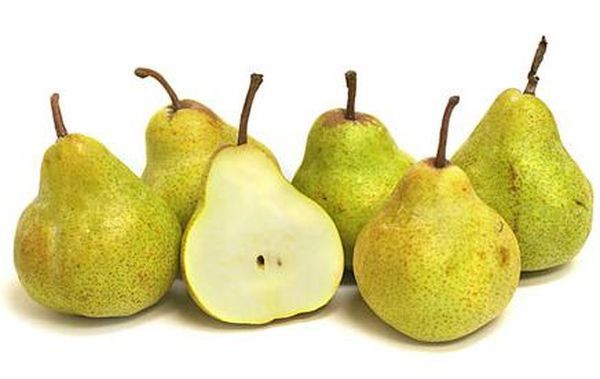
Many gardeners' pear orchards include summer varieties of the Bere group. Each summer variety has its own description. Let's look at the most popular pear varieties in this group, which bear fruit during the summer months.
Williams
This is a medium-sized variety with a broad, asymmetrical crown with broad foliage. The crown often has a rounded-pyramidal or broadly pyramidal shape. Young trees grow quickly. However, their growth rate slows at 10–12 years of age.
Fruiting is abundant. The fruits weigh approximately 170 g. With proper care, they can reach 200 g. The pears are oblong in shape and slightly bumpy on the surface. The skin is thin, very fragrant, and has a glossy sheen.
Clapp's Favorite
This variety has been known for about 150 years. It is a hybrid created by American breeder Thaddeus Clapp. This variety was created by crossing Williams and Lesnaya Krasavitsa. It produces large, tasty fruits.
Autumn
Autumn varieties in this group include a wide variety of species (Maria, Bosk, Bere Zolotaya, etc.). This group also includes the Bere Lyuka pear variety.
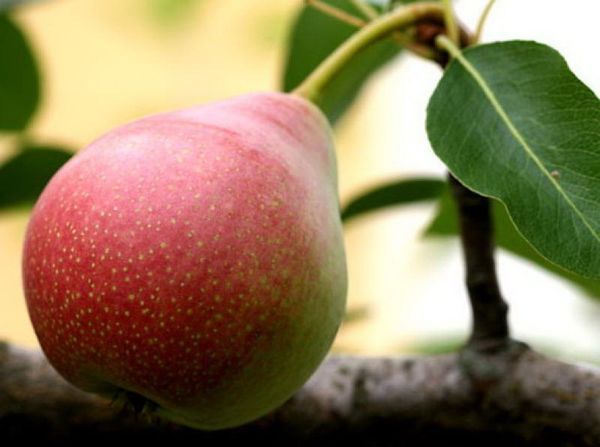
It's worth noting that the beloved Bere Russkaya pear also bears fruit in mid-September. The Bere Yellow variety ripens around the same time. Let's look at the most popular autumn varieties in this group.
Forest beauty
A medium-sized tree characterized by a rapid growth rate. Growth slows at 8-10 years. The crown is broadly pyramidal. Fruiting branches are formed by three- or four-year-old wood formations. The fruits are medium-sized, weighing approximately 140 g, but some specimens reach 300 g. The fruit is obtusely ovoid in shape. It is characterized by a yellow color. A bright blush appears on the side of the skin during ripening. This results in rusty spots and gray dots on the surface of the pear.
Bere Bosk
The Bere Bosc pear variety is the result of French selection. It has been actively cultivated for three centuries. It has the appearance of a tall tree with a broadly pyramidal crown. The Bosc pear is characterized by large fruits, averaging 180 g in weight, but specimens weighing up to 240 g can be found. The fruit is bottle-shaped or standard-shaped. Its skin is yellow, with an orange blush on the side. The fruit tastes similar to almonds.
Bere Ligelya
A large tree, usually spreading outward. The fruits are not very large, averaging 170 g. The pears are bluntly ovoid in shape. Sometimes the fruits are slightly compressed laterally. Structures such as tubercles and ribs are completely absent.
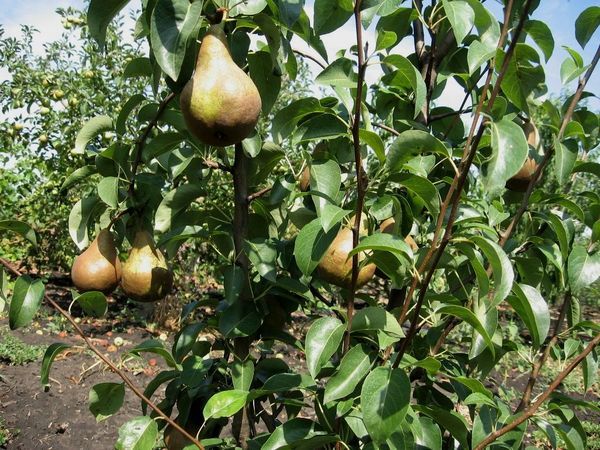
Bere Hardy
The tree is distinguished by its vigor and pyramidal crown. With age, the yield of ripening fruit increases. It is characterized by limited drought tolerance, but good immunity and cold resistance. The fruit skin is golden. The flesh has a wine-like flavor. The fruits can be stored for up to three months.
Bere Dil
The tree grows vigorously when young. The crown is broadly pyramidal. The pears are large, averaging 270 g. They are unevenly shaped, but relatively standard. The skin turns light yellow with distinct rusty spots as it ripens.
Winter
Among the winter representatives of this group, there are also a large number of varieties. A winter pear, as the name suggests, is called Bere Zimnyaya Michurin. Let's look at the most popular winter varieties of this group.
Bere Ardanpon
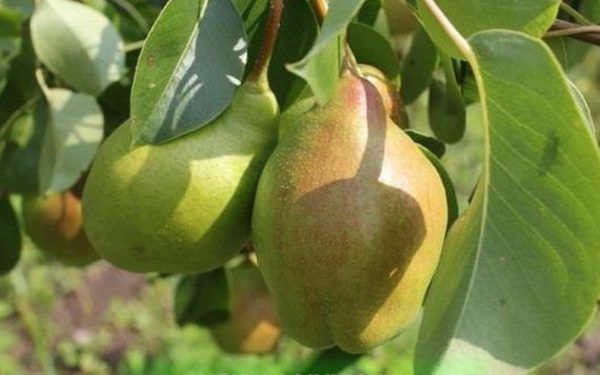
This variety is characterized by vigorous growth. The crown is pyramidal. The pears produced are large, averaging around 200 g in weight. The shape is bell-shaped. The fruit surface is bumpy. When ripe, the skin turns light yellow.
Winter Dean
This variety is characterized by very large fruits, which can weigh up to 300 g. When ripe, the fruits take on a greenish-yellow hue. The fruits can be picked in late October. They have a slightly tart taste.
Features of cultivation
For this group of pears to produce a bountiful harvest, the trees require proper care. As for the Ber, all varieties in this group are easy to care for. They thrive in loose, light, and moderately moist soils.
Seedlings can be used for propagation. Seedling rootstocks of wild pears can also be used for this purpose. Grafting works well on quince.
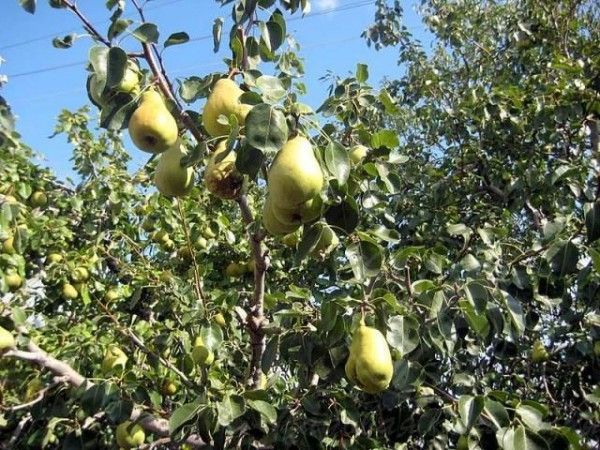
Pears of this variety do not require frequent watering. When caring for them, avoid stagnant soil moisture. Otherwise, the risk of root rot increases. Watering during the summer and fall should be done in small amounts. One to two buckets of water should be poured under each tree. After watering, loosen the soil around the trunk. This reduces the need for watering and also prevents weeds.
Pear orchards need to be periodically sprayed with special solutions. This will protect the trees from parasites and pathogens. Spraying should be done in early spring. Subsequently, a few more sprays should be carried out in the summer and fall.
Tree fertilizing begins a year after planting. It's especially important during flowering and fruit formation.
Bere pears are an excellent addition to your garden. These trees require little care and yet produce a bountiful harvest of large fruits.
Video: How to Properly Trim a Pear Tree
This video will show you how to properly prune a pear tree.