
Secrets of growing mushrooms at your own dacha
Content
Choosing a location
To plant mushrooms in your garden, choose a spot that resembles a forest as much as possible: it should be surrounded by the trees (deciduous or coniferous) that the species you've chosen prefers. Often, the species' name itself indicates the most favorable neighborhood: birch boletes, aspen boletes, etc. If you plan to grow milk mushrooms, choose a spot near poplar, willow, or birch.
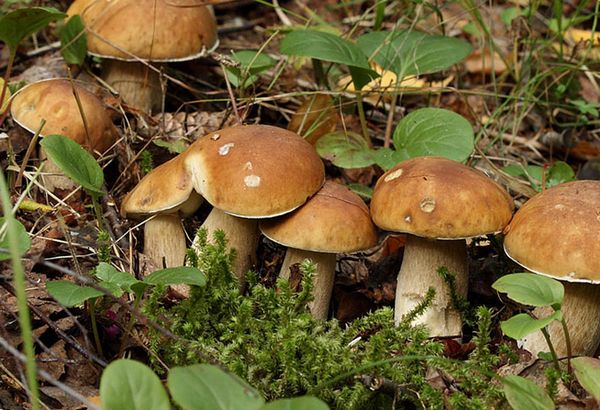
Suitable neighbors for the porcini mushroom are oak, beech, hornbeam, and coniferous trees. There should be no agricultural crops nearby - such proximity will have a negative impact on the mushrooms being grown. If there are no forest trees on the site, you can use a spot on the shady side of a wooden structure. With established species, such as oyster mushrooms and button mushrooms, this is less of a hassle. The key is to choose a shaded and moist location.
Growing method
Let's look at several ways to grow wild mushrooms at your dacha.
Disputes
To grow mushrooms using spores, you don't need to buy anything special; you can prepare the planting material at home. Find mushrooms of the desired species in the forest with overripe caps, even wormy ones: these are where the spores, or mushroom seeds, develop. You'll need a container of water, preferably river or rainwater. To start the fermentation process, dissolve a few tablespoons of sugar or kvass starter in the water. Crush the caps with your hands and add them to the water. The mixture should be smooth.
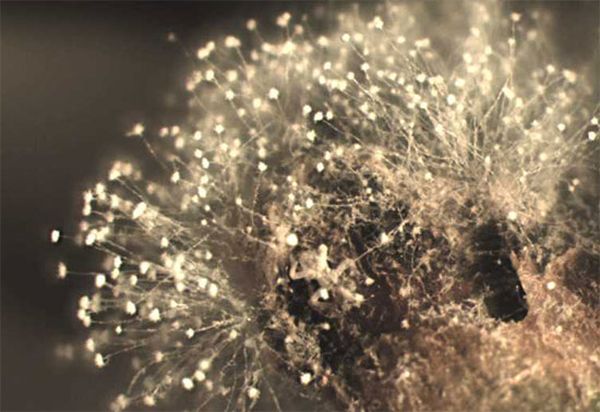
It should be left to steep for about a day, stirring regularly. It can be left to steep longer (some sources suggest up to several weeks). The caps should be used for fermentation no later than 10 hours after harvesting. They should not be stored for long periods, let alone frozen, as this will kill the spores and prevent them from reproducing.
Before planting, strain the starter and add the resulting liquid to clean water (1:10). Water the selected area with the diluted spore concentrate. If you're planting mushrooms this way, it's recommended to additionally mulch the area with fallen leaves: once after planting, and again before the onset of cold weather to create a thicker layer.
Mycelium
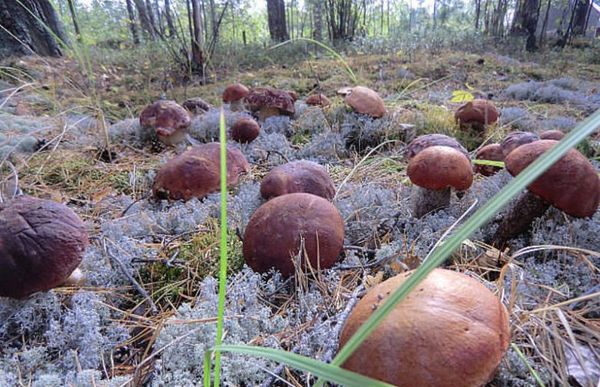
Growing wild mushrooms in the garden is possible by transplanting the mycelium. Butter mushrooms thrive particularly well in this method. This method of growing mushrooms in your garden requires the presence of forest trees, the same ones under which the mycelium grew in the forest. A site in the garden should be prepared in advance.
To grow butter mushrooms this way, you need soil with a high lime content and proximity to pine trees. It's true that you'll have to wait 3-4 years after transplanting for the first butter mushrooms to appear, but you can harvest them as early as mid-May, every three weeks. Boletuses grown in the garden are very large, with caps up to 10 cm long.
Mycelium
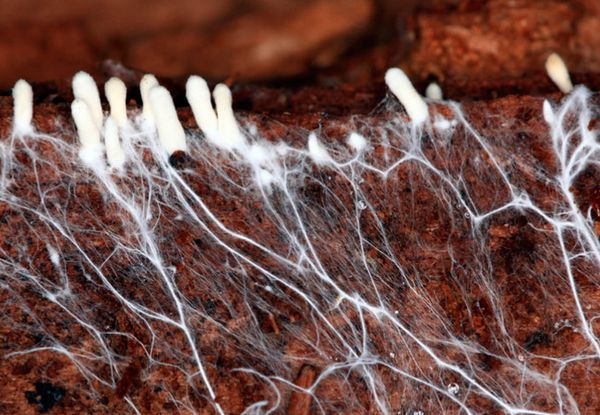
You can grow mushrooms in your garden using mycelium. This is the most traditional method, commonly used by those who cultivate oyster mushrooms and button mushrooms, including commercial ones. Mushroom mycelium, including wild mushrooms, is readily available. You can choose from porcini mushrooms, boletus mushrooms, milk mushrooms, chanterelles, all kinds of oyster mushrooms, including pink ones, and many others.
Mycelium comes in two varieties: compost (sold with soil) and grain. In the vast majority of cases, the latter is used (a packet of seeds is much more transportable than a bag of soil), so we'll focus on that. The required space for growing milk mushrooms or other mushrooms is usually indicated on the packaging, as are specific growing conditions. The first mushrooms will appear the following year after planting, and full fruiting will begin within two years.
Depending on the type of mushroom and the growing conditions, the harvest from one mycelium can be collected for 2 to 5 years.
Landing
The best time to sow mushrooms is from May to September. To propagate mushrooms in a garden bed using one of the methods described above, choose a spot approximately 50 cm from a tree and remove the top layer of soil. Cover the area with a mixture of fallen leaves, sawdust, and wood shavings. Then, combine the same mixture with soil and sprinkle it over the first layer. Each layer should be approximately 10 cm thick. Then, depending on the method, apply a mycelium mixture with a growth accelerator and gently compact it, or place the mycelium brought from the forest. Cover the area with soil, water it thoroughly, and cover with fallen leaves (from the current or previous year, depending on the season).
If desired, you can sow spores or mycelium in a prepared substrate, which is available at some garden centers. Some varieties (oyster mushrooms, for example) require vertical cultivation, so you'll need boxes with holes in the sides or hanging bags. It's best to sow in cool weather.
Care
Growing mushrooms require minimal care—just make sure the area doesn't dry out. Vertically growing varieties also require misting. In the spring, some species benefit from adding a growth activator to the soil (if you're using commercial mycelium, this may be indicated on the packaging). Mushrooms don't need any other nutrition. Furthermore, avoid loosening the soil, which can damage the mycelium.
Harvesting
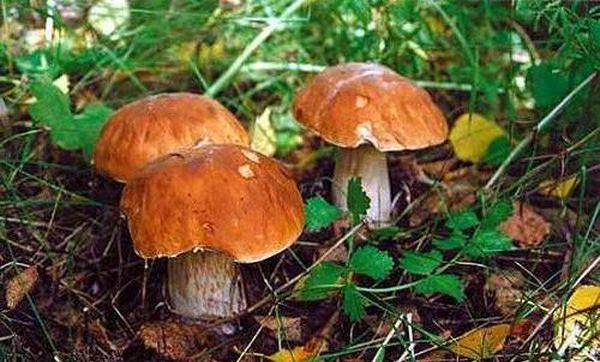
So, we've covered how to grow mushrooms at your own dacha. Finally, let's learn a few important rules that will come in handy when it's time to pick mushrooms. Don't pick mushrooms—this can damage the mycelium so much that it stops fruiting. You need to carefully cut them off with a sharp knife right at the base of the stem.
Even if a recipe only requires the cap, cut it off at the root: the remaining stem will rot, and this process will quickly spread to the entire mycelium. It's not recommended to use overripe mushrooms, as they accumulate harmful substances, and this can happen even if your dacha is located far from factories or highways. It's best to cook or preserve the harvested mushrooms as soon as possible.
Video: Growing Mushrooms at Your Dacha
In this video, you'll hear helpful tips on growing mushrooms at home.